



Bali, 10 February 2026: On Tuesday, 10 February 2026, the Behaviour Lab convened practitioners, policymakers, and researchers from across Indonesia and ASEAN to examine the role of human behaviour in tackling plastic pollution. The event, titled ‘Scaling Behaviour Change: Plastic Reduction from Local Actions to Policy Pathways’, aimed to bridge the gap between community-level initiatives and national and regional policy and regulatory frameworks.
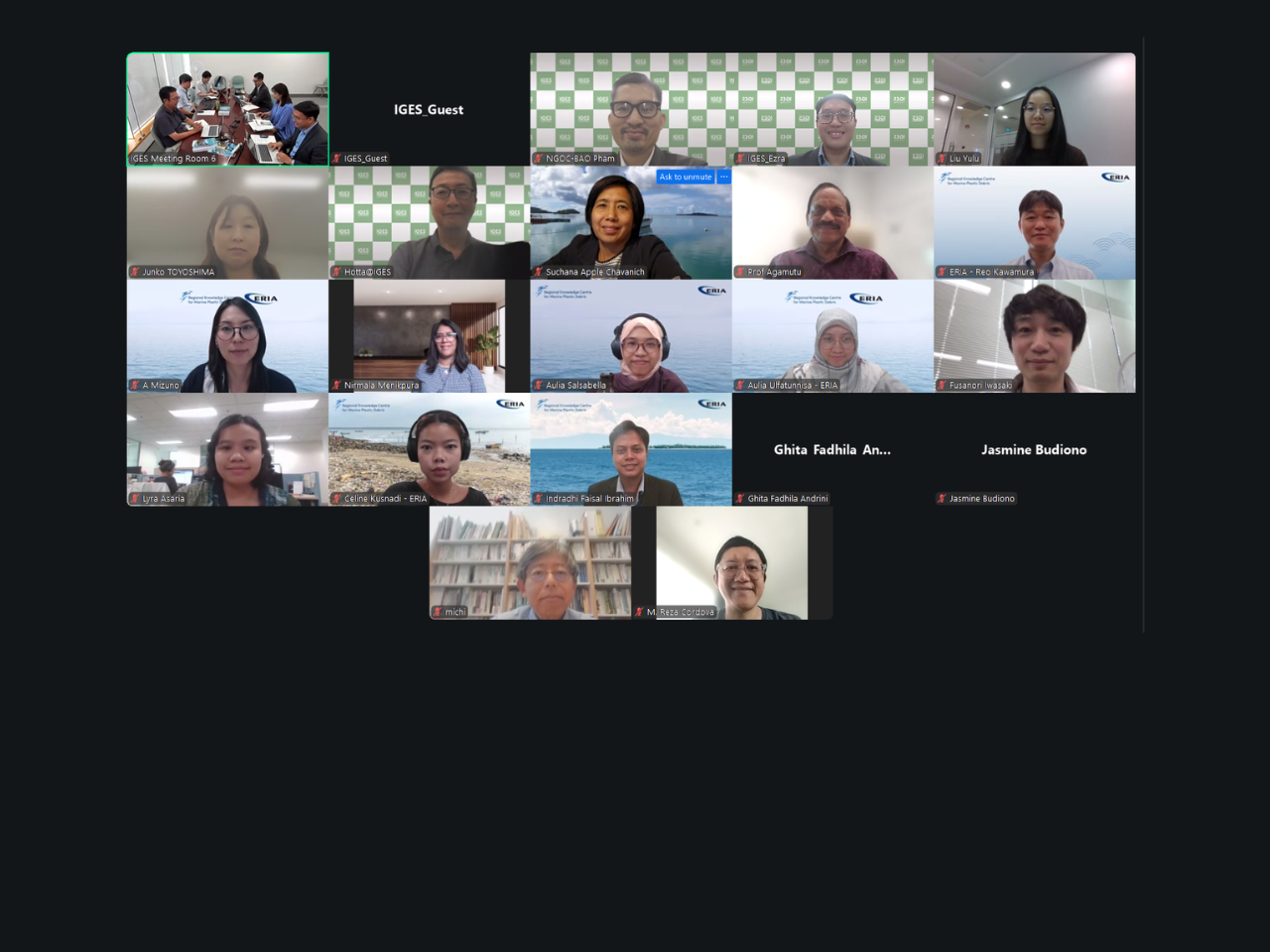
The dialogue brought together 22 in-person participants and 116 online attendees from across ASEAN, North America, and Europe, fostering exchange between local practitioners and policymakers on how behavioural insights can inform more effective plastic reduction strategies.
Across two panel discussions focused on local interventions, national policies, and regional knowledge sharing, speakers reflected on their experiences in working to shift plastic consumption and waste management behaviours. Participants broadly agreed that for plastic reduction strategies to scale effectively across Indonesia and Southeast Asia, behaviour change principles must be embedded at the outset of policy and infrastructure design, rather than added as an afterthought.
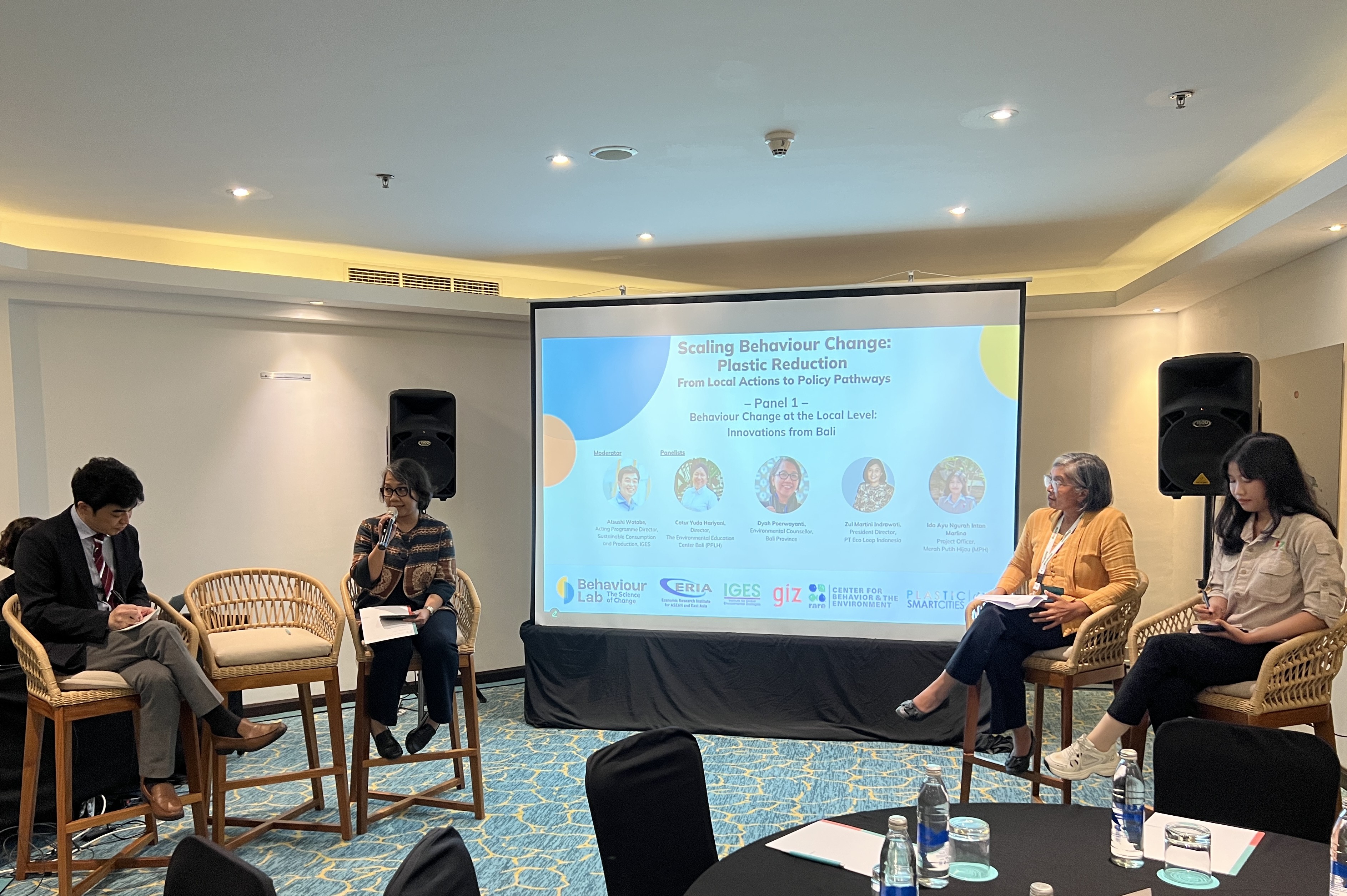
Focus: Challenges and successes in implementing waste segregation and behaviour change at the village and household levels.
Moderated by Dr Atsushi Watabe (IGES), the first panel examined community-level action in Bali, with particular attention to the trust gap between citizens and waste management systems that often hinders effective waste segregation. Panellists argued that lasting behaviour change requires citizens to see themselves as active participants with a defined role in community waste management, rather than passive recipients of externally imposed responsibilities. To bridge this gap, panellists highlighted the importance of working with traditional social structures, including consistent monitoring by local women's groups and the authority of pecalangs (traditional Balinese security officers), to enforce habits where formal regulations fall short.
Transforming ‘Responsibility’ into a Specific ‘Role’
A major barrier to behaviour change is the erosion of public trust in waste management systems. Ms Zul Martini Indrawati, President Director at a Bali-based EPR initiative called Eco Loop Indonesia, argued that people often hesitate to segregate waste because they doubt it will be managed properly. She emphasised that government mandates are frequently perceived as imposed obligations, rather than as meaningful contributions to a shared waste management system. For behaviour change to succeed, individuals need clarity about their specific role in the ecosystem, as well as confidence in where their waste goes and how their segregation supports the recycling process.
Ensuring Consistency through Regular Monitoring and Education
Behaviour change is not a one-off intervention but a habit that requires constant reinforcement. Ms Ida Ayu Ngurah Intan Marlina, Project Support Officer at a Bali-based non-profit initiative known as Merah Putih Hijau, noted that habits can regress if regulations change suddenly or if education stops. The most effective approach involves ‘green teams’ (often women in the Balinese context) conducting consistent door-to-door education and monitoring to ensure that households maintain segregation standards.
Leveraging Traditional Cultural Structures for Enforcement
Addressing the lack of trust in formal enforcement mechanisms, Ms Dyah Poerwayanti from Indonesia’s Ministry of Environment highlighted the effectiveness of collaborating with established cultural institutions. The involvement of pecalangs has proven impactful, as their respected status within Balinese society enables them to influence community behaviour more effectively than standard government notices.
Focus: Bridging local actions with national policy and sharing evidence across the ASEAN region.
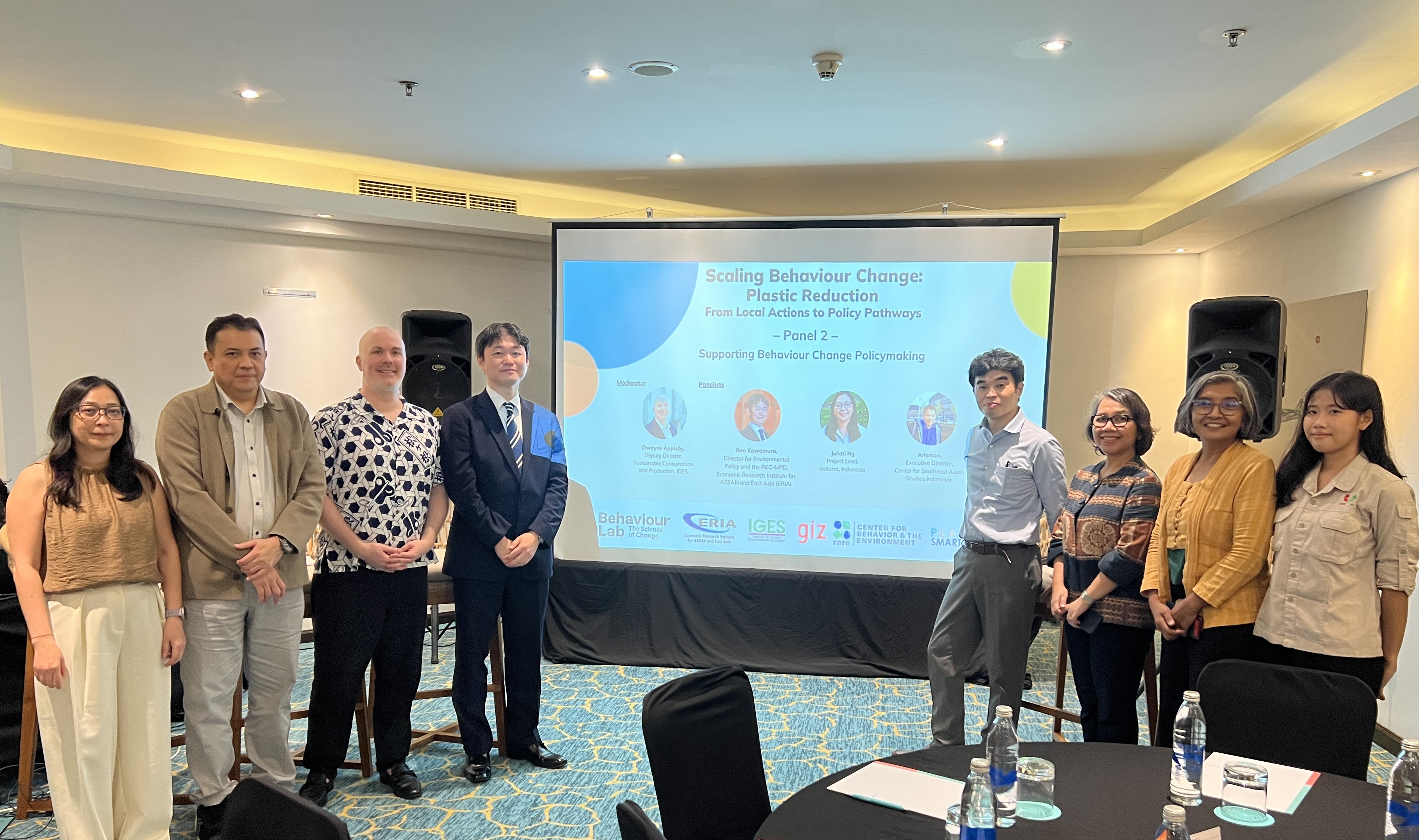
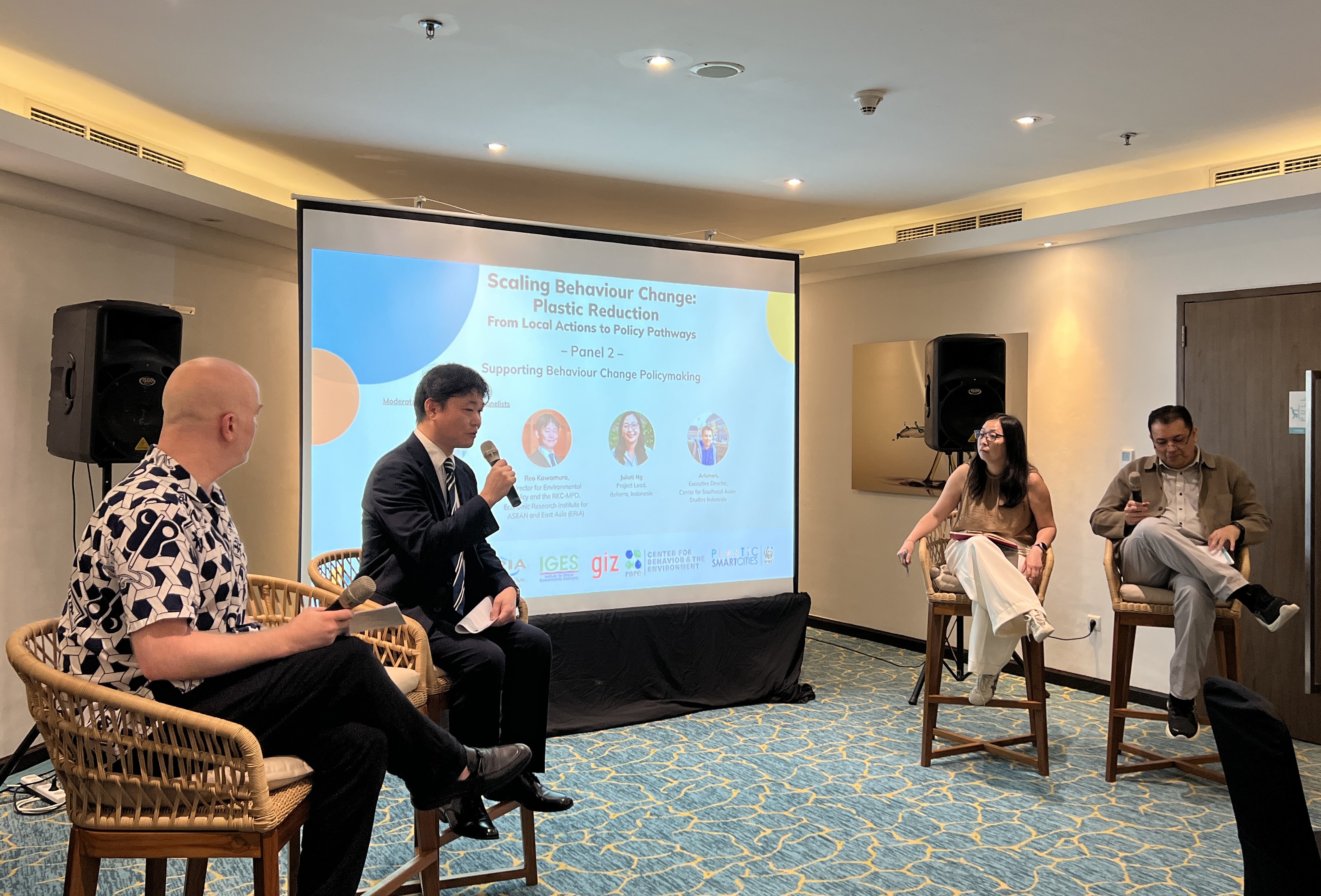
The second panel, moderated by Mr Dwayne Appleby (IGES), shifted the focus to the policy landscape, emphasising the necessity of sharing region-specific evidence to convince ASEAN policymakers that behaviour change strategies are effective within the ASEAN context. Panellists argued that current regulations often fail due to inconsistent implementation and limited budgets, urging that behavioural insights be integrated into the initial design of infrastructure and programme planning. The discussion concluded that policy effectiveness hinges on credible operational systems that combine strict enforcement with social norms.
The Need for Region-Specific Evidence
Policymakers in Southeast Asia often view behaviour change approaches as barely experimental or irrelevant when evidence is primarily drawn from Western contexts. Mr Reo Kawamura, Director for the Regional Knowledge Centre for Marine Plastic Debris (ERIA), emphasised that ASEAN policymakers need context-specific research demonstrating that behaviour change interventions work in countries such as Indonesia, Viet Nam, or the Philippines. Sharing successful regional case studies is essential to validate these methods and support their adoption by governments.
Integrating Behaviour Change into Policy Design
Panellists agreed that behaviour change is currently treated as an afterthought rather than a core component of infrastructure planning. Dr Arisman, Executive Director of Center for Southeast Asian Studies Indonesia, noted that while Indonesia has many regulations in place, there is a lack of consistency and implementation capacity. Indeed, policy without effective implementation remains a major hurdle for many countries across ASEAN. The panel concluded that behavioural principles must be integrated into the initial design of policy and infrastructure, with sufficient budgets and resources allocated to implementation strategies that reflect local values, cultural contexts, and priorities – moving well beyond simple awareness campaigns.
The ‘No Sorting, No Collection’ Systems Approach
Ms Julie Ng, Project Lead for Indonesia at Delterra, illustrated the importance of holistic operational systems. She described a ‘no sorting, no collection’ model in which regulations were backed by strict operational enforcement and reinforced through social pressure. By refusing to collect mixed waste and leveraging social norms and reputational incentives (e.g. stamping bins from non-compliant households), this initiative drove sorting rates from 0% to over 60% in 2 weeks. This example demonstrated that reliable operations and enforcement are as critical as the policy design itself.
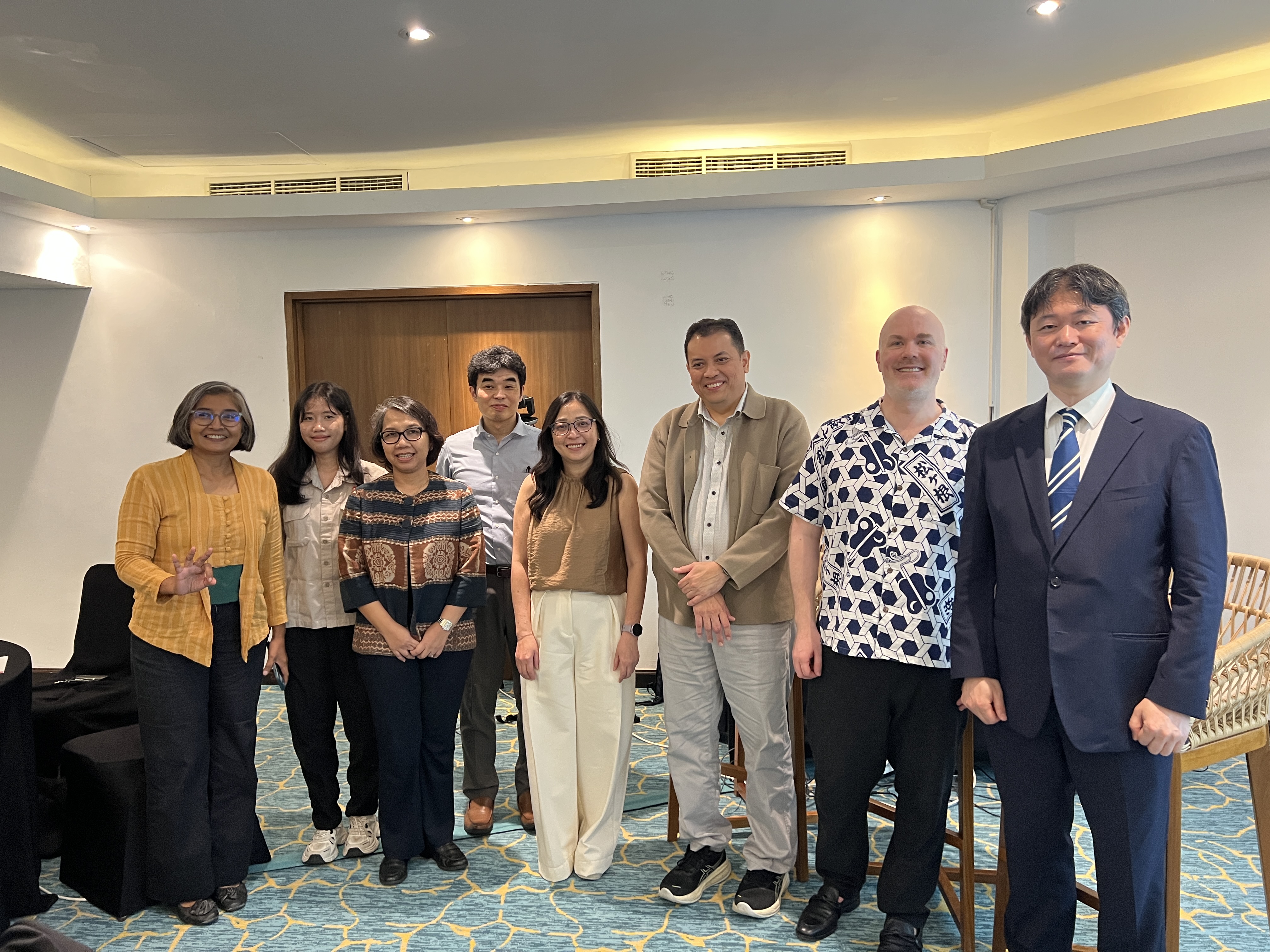
The event concluded with a shared recognition that behaviour change cannot be an afterthought. Governments and local practitioners in Indonesia and across ASEAN must work more closely to build collaborative relationships grounded in trust and mutual support. Behavioural science offers a novel approach for the region to reduce plastic consumption and pollution, but scaling impact will require stronger capacity amongst governments and implementers to develop behaviourally informed policies.
Looking ahead into 2026 and beyond, the Behaviour Lab will draw lessons from discussions such as those held in Bali to develop targeted policy and implementation support for the ASEAN region. By combining local cultural wisdom with rigorous data monitoring, the partnership aims to turn individual actions into systematic regional solutions.
The Behaviour Lab is a collaborative partnership between ERIA, Deutsche Gesellschaft für Internationale Zusammenarbeit (GIZ), the Institute for Global Environmental Strategies (IGES), Rare’s Center for Behavior & the Environment, and WWF’s Plastic Smart Cities.

Deputy Director of Sustainable Consumption and Production Unit at IGES


Bali, 10 February 2026: On Tuesday, 10 February 2026, the Behaviour Lab convened practitioners, policymakers, and researchers from across Indonesia and ASEAN to examine the role of human behaviour in tackling plastic pollution. The event, titled ‘Scaling Behaviour Change: Plastic Reduction from Local Actions to Policy Pathways’, aimed to bridge the gap between community-level initiatives and national and regional policy and regulatory frameworks.
The dialogue brought together 22 in-person participants and 116 online attendees from across ASEAN, North America, and Europe, fostering exchange between local practitioners and policymakers on how behavioural insights can inform more effective plastic reduction strategies.
Across two panel discussions focused on local interventions, national policies, and regional knowledge sharing, speakers reflected on their experiences in working to shift plastic consumption and waste management behaviours. Participants broadly agreed that for plastic reduction strategies to scale effectively across Indonesia and Southeast Asia, behaviour change principles must be embedded at the outset of policy and infrastructure design, rather than added as an afterthought.
Focus: Challenges and successes in implementing waste segregation and behaviour change at the village and household levels.
Moderated by Dr Atsushi Watabe (IGES), the first panel examined community-level action in Bali, with particular attention to the trust gap between citizens and waste management systems that often hinders effective waste segregation. Panellists argued that lasting behaviour change requires citizens to see themselves as active participants with a defined role in community waste management, rather than passive recipients of externally imposed responsibilities. To bridge this gap, panellists highlighted the importance of working with traditional social structures, including consistent monitoring by local women's groups and the authority of pecalangs (traditional Balinese security officers), to enforce habits where formal regulations fall short.
Transforming ‘Responsibility’ into a Specific ‘Role’
A major barrier to behaviour change is the erosion of public trust in waste management systems. Ms Zul Martini Indrawati, President Director at a Bali-based EPR initiative called Eco Loop Indonesia, argued that people often hesitate to segregate waste because they doubt it will be managed properly. She emphasised that government mandates are frequently perceived as imposed obligations, rather than as meaningful contributions to a shared waste management system. For behaviour change to succeed, individuals need clarity about their specific role in the ecosystem, as well as confidence in where their waste goes and how their segregation supports the recycling process.
Ensuring Consistency through Regular Monitoring and Education
Behaviour change is not a one-off intervention but a habit that requires constant reinforcement. Ms Ida Ayu Ngurah Intan Marlina, Project Support Officer at a Bali-based non-profit initiative known as Merah Putih Hijau, noted that habits can regress if regulations change suddenly or if education stops. The most effective approach involves ‘green teams’ (often women in the Balinese context) conducting consistent door-to-door education and monitoring to ensure that households maintain segregation standards.
Leveraging Traditional Cultural Structures for Enforcement
Addressing the lack of trust in formal enforcement mechanisms, Ms Dyah Poerwayanti from Indonesia’s Ministry of Environment highlighted the effectiveness of collaborating with established cultural institutions. The involvement of pecalangs has proven impactful, as their respected status within Balinese society enables them to influence community behaviour more effectively than standard government notices.
Focus: Bridging local actions with national policy and sharing evidence across the ASEAN region.
The second panel, moderated by Mr Dwayne Appleby (IGES), shifted the focus to the policy landscape, emphasising the necessity of sharing region-specific evidence to convince ASEAN policymakers that behaviour change strategies are effective within the ASEAN context. Panellists argued that current regulations often fail due to inconsistent implementation and limited budgets, urging that behavioural insights be integrated into the initial design of infrastructure and programme planning. The discussion concluded that policy effectiveness hinges on credible operational systems that combine strict enforcement with social norms.
The Need for Region-Specific Evidence
Policymakers in Southeast Asia often view behaviour change approaches as barely experimental or irrelevant when evidence is primarily drawn from Western contexts. Mr Reo Kawamura, Director for the Regional Knowledge Centre for Marine Plastic Debris (ERIA), emphasised that ASEAN policymakers need context-specific research demonstrating that behaviour change interventions work in countries such as Indonesia, Viet Nam, or the Philippines. Sharing successful regional case studies is essential to validate these methods and support their adoption by governments.
Integrating Behaviour Change into Policy Design
Panellists agreed that behaviour change is currently treated as an afterthought rather than a core component of infrastructure planning. Dr Arisman, Executive Director of Center for Southeast Asian Studies Indonesia, noted that while Indonesia has many regulations in place, there is a lack of consistency and implementation capacity. Indeed, policy without effective implementation remains a major hurdle for many countries across ASEAN. The panel concluded that behavioural principles must be integrated into the initial design of policy and infrastructure, with sufficient budgets and resources allocated to implementation strategies that reflect local values, cultural contexts, and priorities – moving well beyond simple awareness campaigns.
The ‘No Sorting, No Collection’ Systems Approach
Ms Julie Ng, Project Lead for Indonesia at Delterra, illustrated the importance of holistic operational systems. She described a ‘no sorting, no collection’ model in which regulations were backed by strict operational enforcement and reinforced through social pressure. By refusing to collect mixed waste and leveraging social norms and reputational incentives (e.g. stamping bins from non-compliant households), this initiative drove sorting rates from 0% to over 60% in 2 weeks. This example demonstrated that reliable operations and enforcement are as critical as the policy design itself.
The event concluded with a shared recognition that behaviour change cannot be an afterthought. Governments and local practitioners in Indonesia and across ASEAN must work more closely to build collaborative relationships grounded in trust and mutual support. Behavioural science offers a novel approach for the region to reduce plastic consumption and pollution, but scaling impact will require stronger capacity amongst governments and implementers to develop behaviourally informed policies.
Looking ahead into 2026 and beyond, the Behaviour Lab will draw lessons from discussions such as those held in Bali to develop targeted policy and implementation support for the ASEAN region. By combining local cultural wisdom with rigorous data monitoring, the partnership aims to turn individual actions into systematic regional solutions.
The Behaviour Lab is a collaborative partnership between ERIA, Deutsche Gesellschaft für Internationale Zusammenarbeit (GIZ), the Institute for Global Environmental Strategies (IGES), Rare’s Center for Behavior & the Environment, and WWF’s Plastic Smart Cities.
Deputy Director of Sustainable Consumption and Production Unit at IGES