


Plastics in Seagrass, Coral, and Mangroves: What Researchers Are Discovering

11 Mar 2026

Similar to many coastal regions around the world, Cambodia’s coastal ecosystems – such as seagrass meadows, mangroves, and coral reefs – provide essential ecological, economic, and social benefits. These habitats support biodiversity, sustain fisheries, store blue carbon, and protect coastal communities.  

However, they are increasingly threatened by marine plastic pollution, which accumulates in sensitive habitats and disrupts ecosystem. Addressing this challenge requires not only scientific understanding of how plastics interact with marine environments, but also collaboration amongst researchers, communities, and policymakers to develop effective solutions. 

As part of efforts to strengthen regional understanding in marine plastic pollution, the Centre spoke with Ms Chantha Chroeng, a marine research scientist who is currently a Marine Species and Ecosystem Officer at Fauna and Flora International (FFI) Cambodia.  

With extensive experience in seagrass monitoring, marine biodiversity assessment, and coastal ecosystem conservation, Ms Chroeng shared insights into how plastic pollution affects the country’s marine habitats, the research approaches used to study it, and the importance of interdisciplinary collaboration in advancing conservation and sustainable coastal management. 

The Centre: Can you tell us about yourself and your background?

Ms Chantha Chroeng: I am a marine research scientist with about 5 years of experience in marine habitat conservation in Cambodia, currently working as Marine Species and Ecosystem Officer at FFI Cambodia. My work focuses on Cambodia’s coastal ecosystems, with expertise in seagrass monitoring, including species identification, survey leadership, habitat mapping, and diversity assessment. I am also experienced in coral reef, fish, and invertebrate identification, as well as blue carbon sampling and analysis.  

During fieldwork, plastics are frequently found in seagrass meadows, coral reefs, mangroves, and along coastlines, directly impacting ecosystems and the livelihoods of local communities that depend on healthy oceans. I am motivated to gain a deeper scientific understanding of these impacts in order to develop practical solutions that reduce plastic pollution, safeguard marine ecosystems, and promote sustainable coastal development. The recognition that plastic contamination threatens biodiversity, fisheries, and community well-being drives my commitment to raising awareness and supporting long-term conservation initiatives. 

What does your research focus on regarding marine plastic pollution?

My research focuses on marine and coastal ecosystems, particularly seagrass and blue carbon ecosystems. This work is closely linked to plastic pollution, as plastics directly affects marine habitats and ecosystem health. Data generated from monitoring and field studies can support policymakers in identifying priority areas, the most harmful types of plastics, and the most strategic intervention points.  

Through research, we can also assess the effectiveness of existing regulations – such as bans on single-use plastics or improvements in waste management systems – ensuring that policies are practical, evidence-based, and results-oriented. 

What type of plastics does your research mainly focus on?

My research focuses primarily on conventional plastics, particularly single-use plastics that are frequently found in coastal and marine environments, including bags, packaging, bottles, and fishing gear. These plastics persist in the environment for long periods, break down into microplastics, and pose significant risks to marine ecosystems and local livelihoods.  

We also consider biodegradable and bio-based plastics; however, our primary objective is to understand the sources, distribution, and impacts of conventional plastics to create effective mitigation strategies. 

What methods or technologies do you use in your research?

My research employs a combination of field surveys, sampling, and laboratory analysis. We collect plastic debris from coastal areas, mangroves, coral reefs, and seagrass meadows to assess its abundance and distribution. Samples are then analysed in the laboratory to determine their chemical composition, size, and type, including microplastics.  

We also use statistical tools and GIS mapping to understand spatial patterns and identify potential sources of plastic pollution. These methods help connect scientific data with practical solutions for marine conservation and pollution management. 
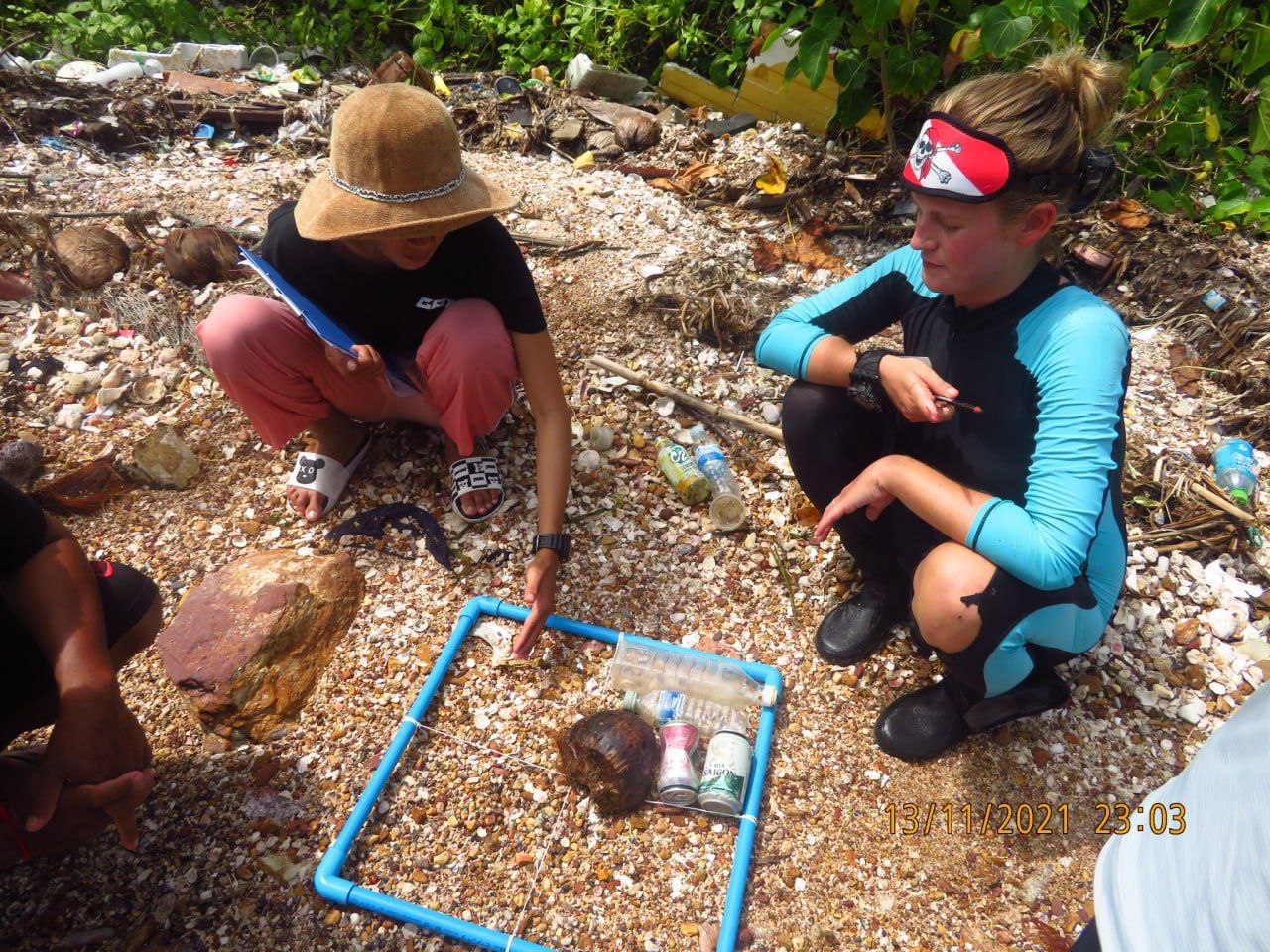
Plastic debris sampling. (Photo: FFI Cambodia)

Are there any commercial or industrial collaborations involved in your work?

My work involves collaboration with several partners, including government agencies, local communities, and occasionally private sector stakeholders. For example, we coordinate with the Fisheries Administration and local authorities during field surveys and conservation activities. We also engage community fisheries groups to support monitoring and sustainable management.  

There are also opportunities to collaborate with private companies, fisheries, or environmental services to promote sustainable practices and reduce environmental impacts. These partnerships are essential for linking scientific research with practical implementation and long-term conservation outcomes.  

What recent advancements in plastic science excite you the most?

One advancement that particularly excites me is the recycling of fishing nets and other marine debris into new materials. Ghost nets – abandoned or lost fishing gear – are a major source of ocean plastic pollution, harming marine life and damaging ecosystems. 

Innovative recycling approaches not only help reduce plastic waste but also create economic opportunities for coastal communities by transforming discarded nets into useful products such as textiles, construction materials, and durable consumer goods. This is especially inspiring because it shows how science and innovation can address real-world environmental challenges by integrating pollution reduction, resource recovery, and community livelihoods. Such initiatives can also provide additional income and sustainable opportunities for local communities.
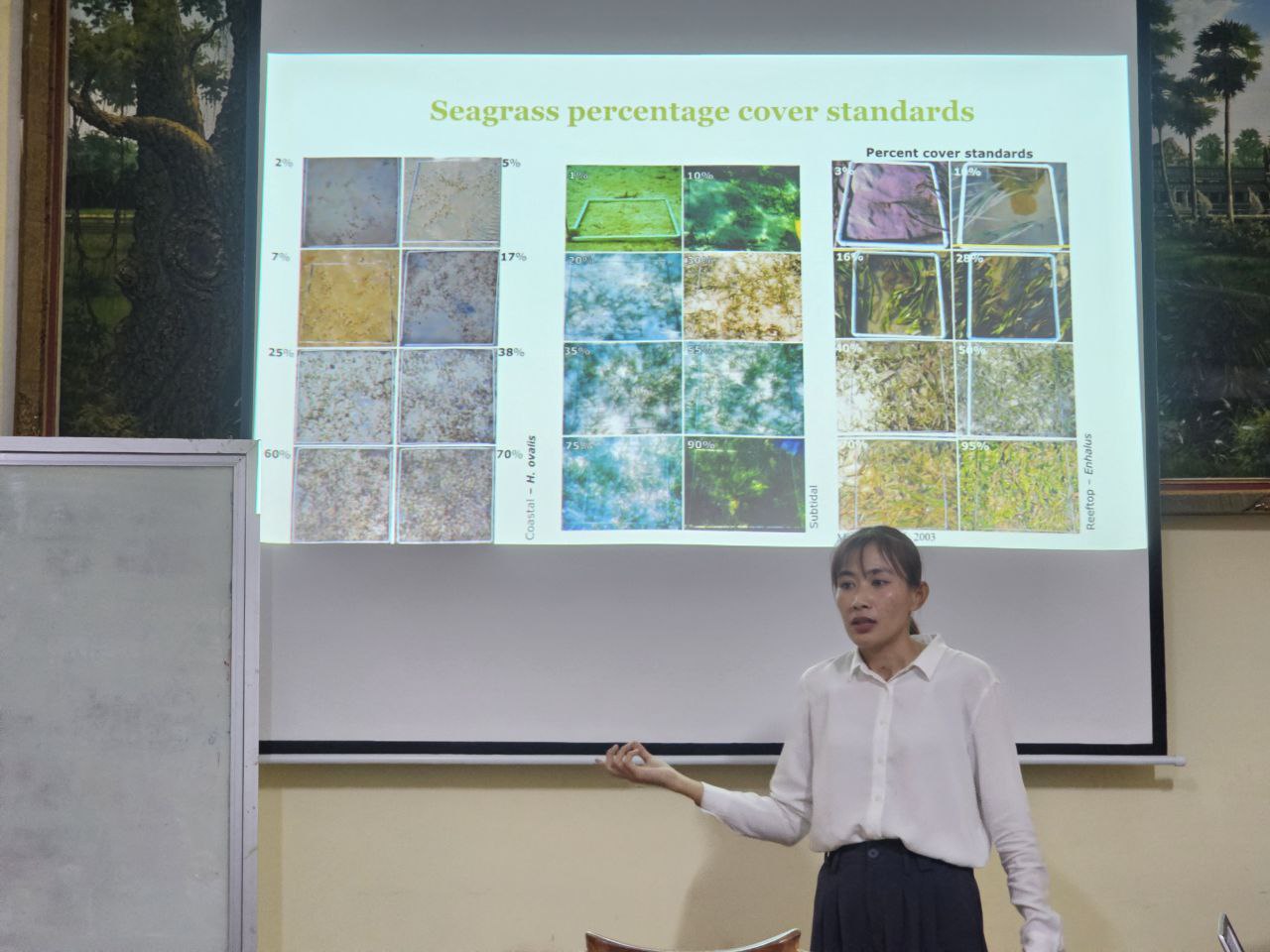
Explaining seagrass cover classification methods. (Photo: FFI Cambodia)

What gaps still exist in understanding plastics’ environmental impact?

Although research on plastics continues to grow, gaps remain in understanding the environmental impacts of plastics. For example, there is still little knowledge about the long-term effects of microplastics and nanoplastics on marine organisms, food webs, and human health. In Cambodia, research and data on these impacts remain scarce. 

What are the major challenges you face in your research?

Although information is now rapidly disseminated through the media, many local communities still have limited awareness of marine conservation, including the importance of marine habitats and the impacts of plastic pollution. Plastics harm marine life and ecosystems, as well as the benefits oceans provide, such as coastal protection, clean water, and food resources. Conservation efforts are often constrained by a lack of funding and investment. Additionally, marine science research is costly, which presents further challenges to conducting long-term studies and conservation initiatives. 

What advice would you give to young researchers interested in plastics?

I encourage young researchers interested in plastics to focus on areas where scientific knowledge is still limited and where their work can make a meaningful impact. In Cambodia, although many people recognise the impacts of plastic in daily life, there is still a lack of scientific research on the effects of microplastics on marine ecosystems and fisheries.  

Public awareness and community understanding of plastic pollution’s impacts on ecosystems, livelihoods, and human well-being also remain relatively low. Young researchers therefore have an important opportunity to address these knowledge gaps, conduct locally relevant research, and help translate scientific findings into practical solutions that benefit both ecosystems and communities.
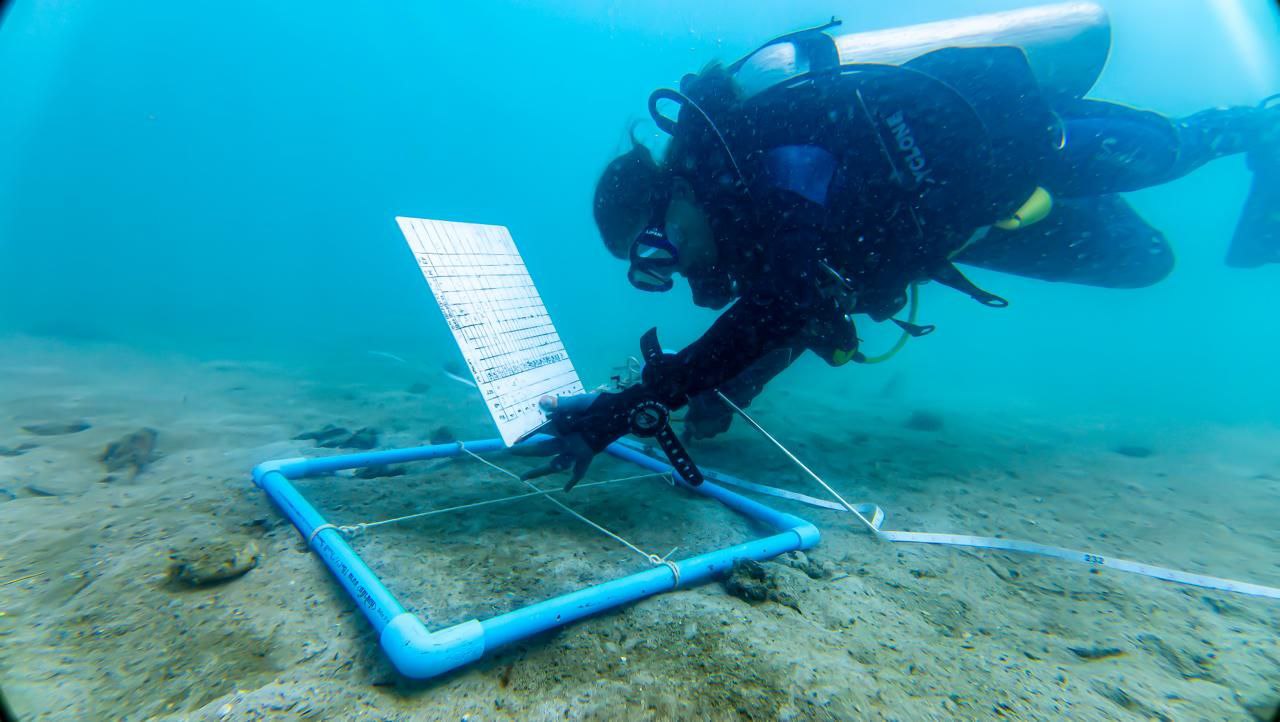
Underwater ecological survey. (Photo: FFI Cambodia)

Ms Chroeng’s insights underscore the critical role of scientific research in understanding and addressing the impacts of plastic pollution on vulnerable marine ecosystems. From documenting plastic debris in seagrass meadows and coastal habitats to strengthening collaboration with communities and government partners, her work highlights the importance of connecting science with practical conservation efforts. Her reflections also point to the need for greater investment in research, increased public awareness, and stronger interdisciplinary partnerships. Together, these efforts are essential to safeguarding marine ecosystems, supporting coastal livelihoods, and advancing sustainable ocean management in Cambodia and the wider region. 
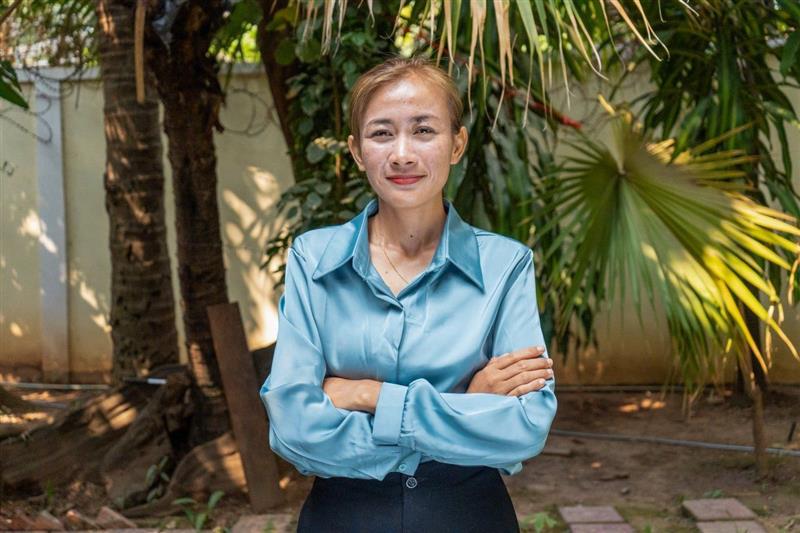
Experts Profile
Chantha Chroeng
Chantha Chroeng

Marine Species and Ecosystem Officer at Fauna and Flora International (FFI) Cambodia

Similar to many coastal regions around the world, Cambodia’s coastal ecosystems – such as seagrass meadows, mangroves, and coral reefs – provide essential ecological, economic, and social benefits. These habitats support biodiversity, sustain fisheries, store blue carbon, and protect coastal communities.  

However, they are increasingly threatened by marine plastic pollution, which accumulates in sensitive habitats and disrupts ecosystem. Addressing this challenge requires not only scientific understanding of how plastics interact with marine environments, but also collaboration amongst researchers, communities, and policymakers to develop effective solutions. 

As part of efforts to strengthen regional understanding in marine plastic pollution, the Centre spoke with Ms Chantha Chroeng, a marine research scientist who is currently a Marine Species and Ecosystem Officer at Fauna and Flora International (FFI) Cambodia.  

With extensive experience in seagrass monitoring, marine biodiversity assessment, and coastal ecosystem conservation, Ms Chroeng shared insights into how plastic pollution affects the country’s marine habitats, the research approaches used to study it, and the importance of interdisciplinary collaboration in advancing conservation and sustainable coastal management. 

The Centre: Can you tell us about yourself and your background?

Ms Chantha Chroeng: I am a marine research scientist with about 5 years of experience in marine habitat conservation in Cambodia, currently working as Marine Species and Ecosystem Officer at FFI Cambodia. My work focuses on Cambodia’s coastal ecosystems, with expertise in seagrass monitoring, including species identification, survey leadership, habitat mapping, and diversity assessment. I am also experienced in coral reef, fish, and invertebrate identification, as well as blue carbon sampling and analysis.  

During fieldwork, plastics are frequently found in seagrass meadows, coral reefs, mangroves, and along coastlines, directly impacting ecosystems and the livelihoods of local communities that depend on healthy oceans. I am motivated to gain a deeper scientific understanding of these impacts in order to develop practical solutions that reduce plastic pollution, safeguard marine ecosystems, and promote sustainable coastal development. The recognition that plastic contamination threatens biodiversity, fisheries, and community well-being drives my commitment to raising awareness and supporting long-term conservation initiatives. 

What does your research focus on regarding marine plastic pollution?

My research focuses on marine and coastal ecosystems, particularly seagrass and blue carbon ecosystems. This work is closely linked to plastic pollution, as plastics directly affects marine habitats and ecosystem health. Data generated from monitoring and field studies can support policymakers in identifying priority areas, the most harmful types of plastics, and the most strategic intervention points.  

Through research, we can also assess the effectiveness of existing regulations – such as bans on single-use plastics or improvements in waste management systems – ensuring that policies are practical, evidence-based, and results-oriented. 

What type of plastics does your research mainly focus on?

My research focuses primarily on conventional plastics, particularly single-use plastics that are frequently found in coastal and marine environments, including bags, packaging, bottles, and fishing gear. These plastics persist in the environment for long periods, break down into microplastics, and pose significant risks to marine ecosystems and local livelihoods.  

We also consider biodegradable and bio-based plastics; however, our primary objective is to understand the sources, distribution, and impacts of conventional plastics to create effective mitigation strategies. 

What methods or technologies do you use in your research?

My research employs a combination of field surveys, sampling, and laboratory analysis. We collect plastic debris from coastal areas, mangroves, coral reefs, and seagrass meadows to assess its abundance and distribution. Samples are then analysed in the laboratory to determine their chemical composition, size, and type, including microplastics.  

We also use statistical tools and GIS mapping to understand spatial patterns and identify potential sources of plastic pollution. These methods help connect scientific data with practical solutions for marine conservation and pollution management. 

Plastic debris sampling. (Photo: FFI Cambodia)

Are there any commercial or industrial collaborations involved in your work?

My work involves collaboration with several partners, including government agencies, local communities, and occasionally private sector stakeholders. For example, we coordinate with the Fisheries Administration and local authorities during field surveys and conservation activities. We also engage community fisheries groups to support monitoring and sustainable management.  

There are also opportunities to collaborate with private companies, fisheries, or environmental services to promote sustainable practices and reduce environmental impacts. These partnerships are essential for linking scientific research with practical implementation and long-term conservation outcomes.  

What recent advancements in plastic science excite you the most?

One advancement that particularly excites me is the recycling of fishing nets and other marine debris into new materials. Ghost nets – abandoned or lost fishing gear – are a major source of ocean plastic pollution, harming marine life and damaging ecosystems. 

Innovative recycling approaches not only help reduce plastic waste but also create economic opportunities for coastal communities by transforming discarded nets into useful products such as textiles, construction materials, and durable consumer goods. This is especially inspiring because it shows how science and innovation can address real-world environmental challenges by integrating pollution reduction, resource recovery, and community livelihoods. Such initiatives can also provide additional income and sustainable opportunities for local communities.

Explaining seagrass cover classification methods. (Photo: FFI Cambodia)

What gaps still exist in understanding plastics’ environmental impact?

Although research on plastics continues to grow, gaps remain in understanding the environmental impacts of plastics. For example, there is still little knowledge about the long-term effects of microplastics and nanoplastics on marine organisms, food webs, and human health. In Cambodia, research and data on these impacts remain scarce. 

What are the major challenges you face in your research?

Although information is now rapidly disseminated through the media, many local communities still have limited awareness of marine conservation, including the importance of marine habitats and the impacts of plastic pollution. Plastics harm marine life and ecosystems, as well as the benefits oceans provide, such as coastal protection, clean water, and food resources. Conservation efforts are often constrained by a lack of funding and investment. Additionally, marine science research is costly, which presents further challenges to conducting long-term studies and conservation initiatives. 

What advice would you give to young researchers interested in plastics?

I encourage young researchers interested in plastics to focus on areas where scientific knowledge is still limited and where their work can make a meaningful impact. In Cambodia, although many people recognise the impacts of plastic in daily life, there is still a lack of scientific research on the effects of microplastics on marine ecosystems and fisheries.  

Public awareness and community understanding of plastic pollution’s impacts on ecosystems, livelihoods, and human well-being also remain relatively low. Young researchers therefore have an important opportunity to address these knowledge gaps, conduct locally relevant research, and help translate scientific findings into practical solutions that benefit both ecosystems and communities.

Underwater ecological survey. (Photo: FFI Cambodia)

Ms Chroeng’s insights underscore the critical role of scientific research in understanding and addressing the impacts of plastic pollution on vulnerable marine ecosystems. From documenting plastic debris in seagrass meadows and coastal habitats to strengthening collaboration with communities and government partners, her work highlights the importance of connecting science with practical conservation efforts. Her reflections also point to the need for greater investment in research, increased public awareness, and stronger interdisciplinary partnerships. Together, these efforts are essential to safeguarding marine ecosystems, supporting coastal livelihoods, and advancing sustainable ocean management in Cambodia and the wider region. 

Experts Profile
Chantha Chroeng
Chantha Chroeng

Marine Species and Ecosystem Officer at Fauna and Flora International (FFI) Cambodia

Divider
Ornament

Related Interviews