



Bali is known worldwide for its turquoise waters, lush landscapes, and vibrant culture. Yet in recent years, images of plastic waste washing up on its shores have travelled just as far – turning the island’s trash problem into global news. As international attention grew, it exposed the hidden cost of consumption – one that local communities have long confronted. Rather than retreating, communities across Bali are reshaping how waste is collected, sorted, and recycled, showing that protecting the island’s beauty begins with taking responsibility for what happens after waste is thrown away.
In Bali, the journey of plastic waste does not end at the shoreline. Instead, it moves through a connected chain of community action, household responsibility, and local innovation – one that begins with collection at sea, continues through neighbourhood-level sorting, and ultimately transforms waste into new value.
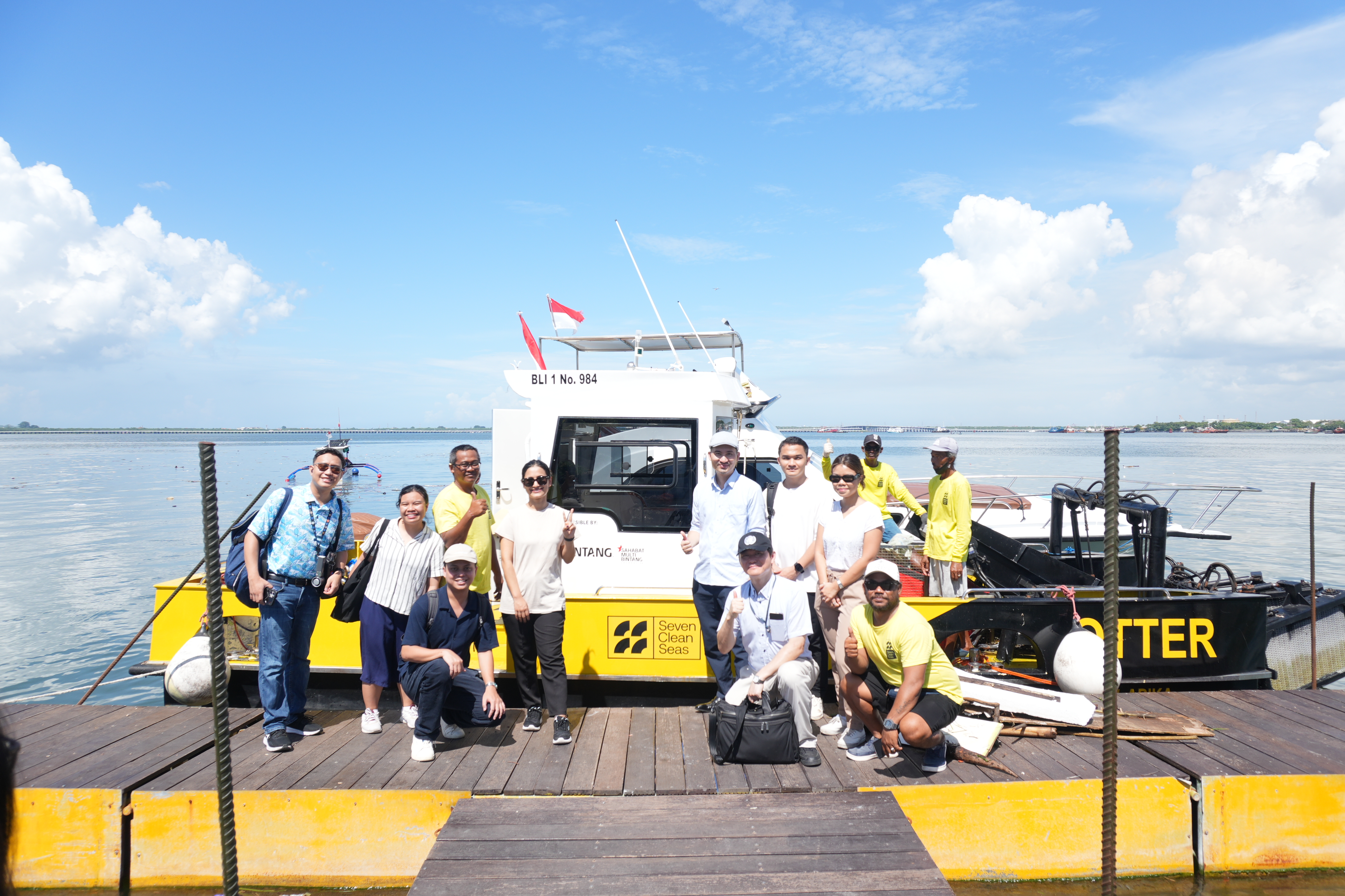
ERIA’s Regional Knowledge Centre team and its partners followed Bali’s plastic waste journey, which begins at Tanjung Benoa Beach, where plastic waste is intercepted before it can disperse further into the ocean. Along the coast, the Seven Clean Seas team conducts collection activities, including the use of the OTTER (Offshore & Tidal Trash Extraction Rig), a floating device designed to capture plastic debris in coastal waters.

I Wayan Eka Ruphina, Site Manager for Seven Clean Seas in Bali, explained that most of the waste collected in the ocean does not originate offshore, but comes from land-based sources, particularly leakage from a nearby traditional market. Carried by drainage systems and tidal flows, improperly managed waste eventually finds its way into the sea – highlighting how marine plastic pollution is deeply linked to waste management practices on land.
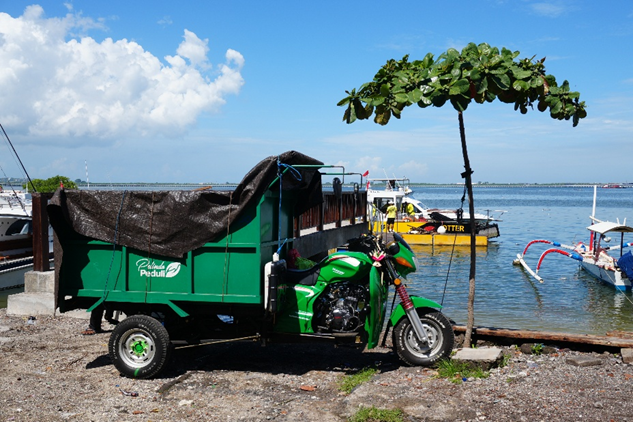
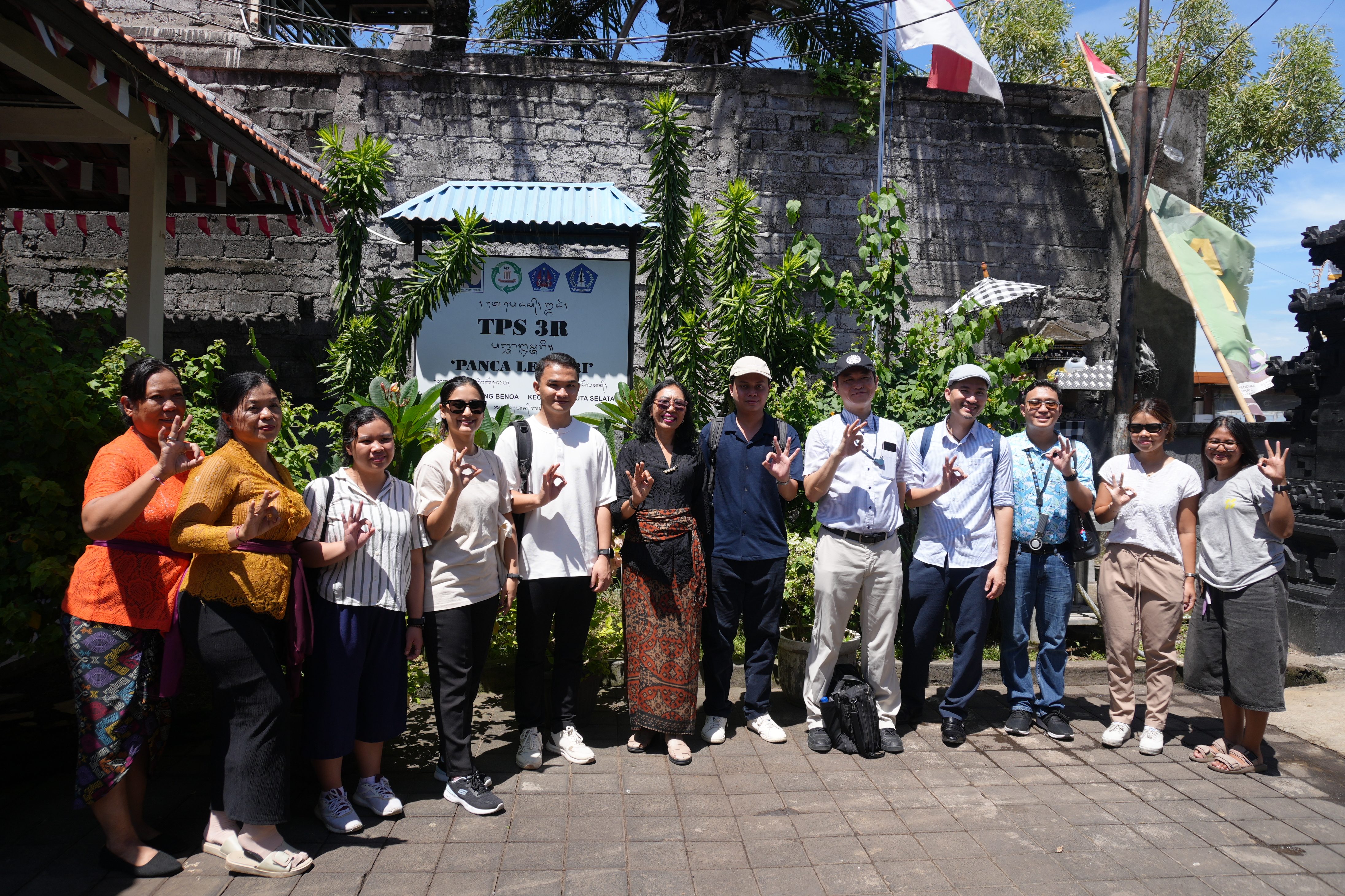
At TPS3R Panca Lestari, a community-based 3R (Reduce, Reuse, Recycle) facility in Tanjung Benoa, waste management begins at the source. Ni Kadek Suyatni, Head of KTP TPS3R Panca Lestari, emphasised that due to capacity constraints and limited community awareness, the system currently depends on families sorting their waste independently at home. The facility serves approximately 500 households.
In total, 47 waste types are received and managed from households, hotels, restaurants, and schools nearby. Waste is separated into organic, inorganic, residual, and wet waste streams. Organic waste – by far the largest portion received at the facility – is returned to nature through proper composting. This process relies on the right mixture of organic materials, appropriate moisture levels, and controlled temperatures, all of which are monitored daily. When food leftovers are mixed properly with organic material, they decompose without producing odour, hence preventing environmental and health risks. Inorganic waste, particularly plastics, is sent to the bank sampah, or waste bank, where materials are recycled and sold, allowing value to flow back to participating families.
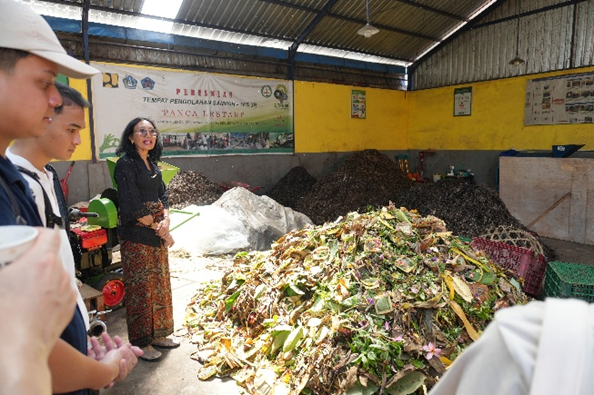
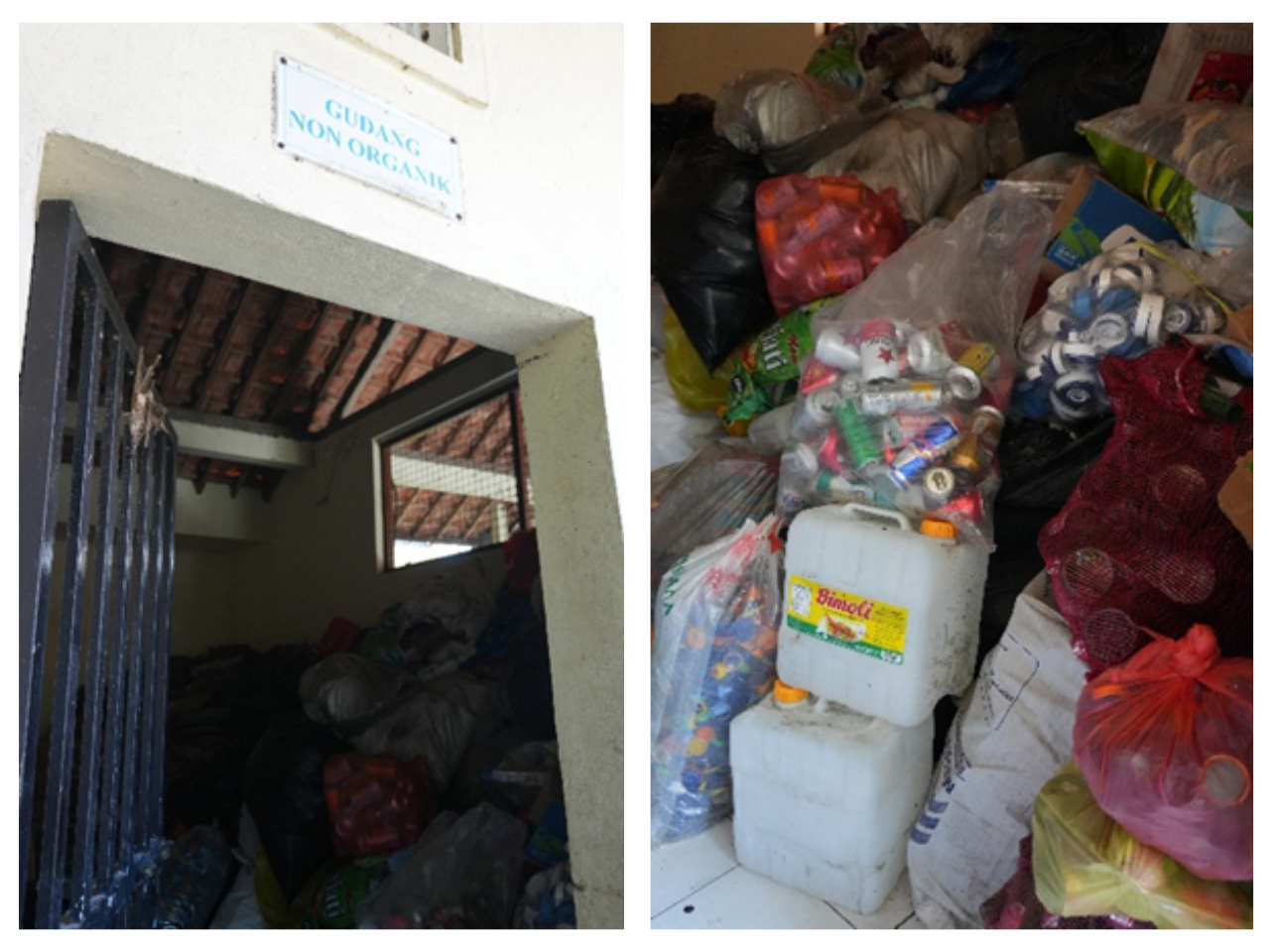
Plastics received at the facility have already been cleaned by households and are collected once a month, improving recycling quality and efficiency. However, education remains one of the most persistent challenges, as changing long-standing habits around waste sorting is difficult. Across the areas surrounding TPS3R Panca Lestari, community groups and students – from kindergarten to university level – have participated in waste-sorting activities. Compliance efforts in Bali are further strengthened through local customary regulations (aturan adat); the facility works closely with customary villages (desa adat), including issuing formal letters from the villages to encourage community participation.
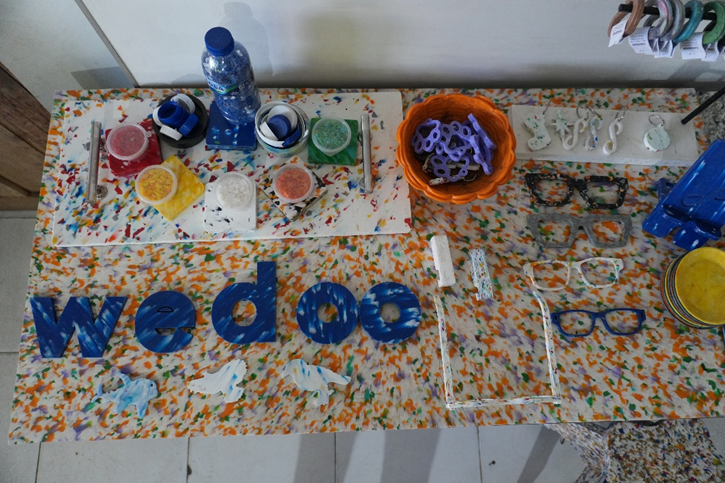
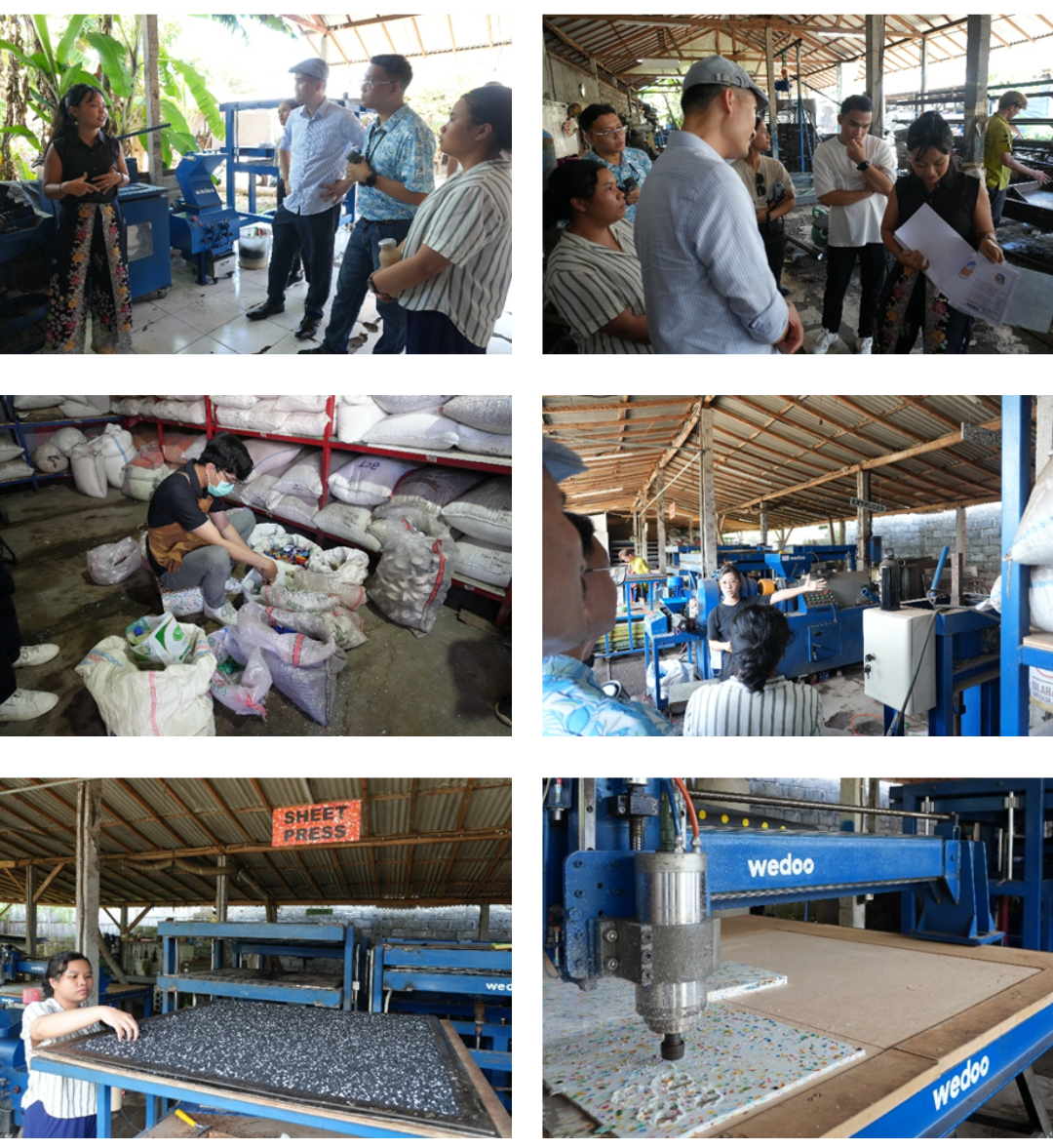
At WeDoo’s Recycled Design Lab: Sayang, plastic waste collected from communities is given a second life. Inside the workshop, plastic is sorted, shredded, melted, and reshaped using machines that WeDoo designed and built in-house. Ms Valerine Chandrakesuma, Co-Founder and CEO of WeDoo, believes that recycling solutions should be accessible, affordable, and replicable. By relying on open-source designs and locally adapted technology, WeDoo demonstrates that effective recycling does not need to depend on expensive industrial systems.
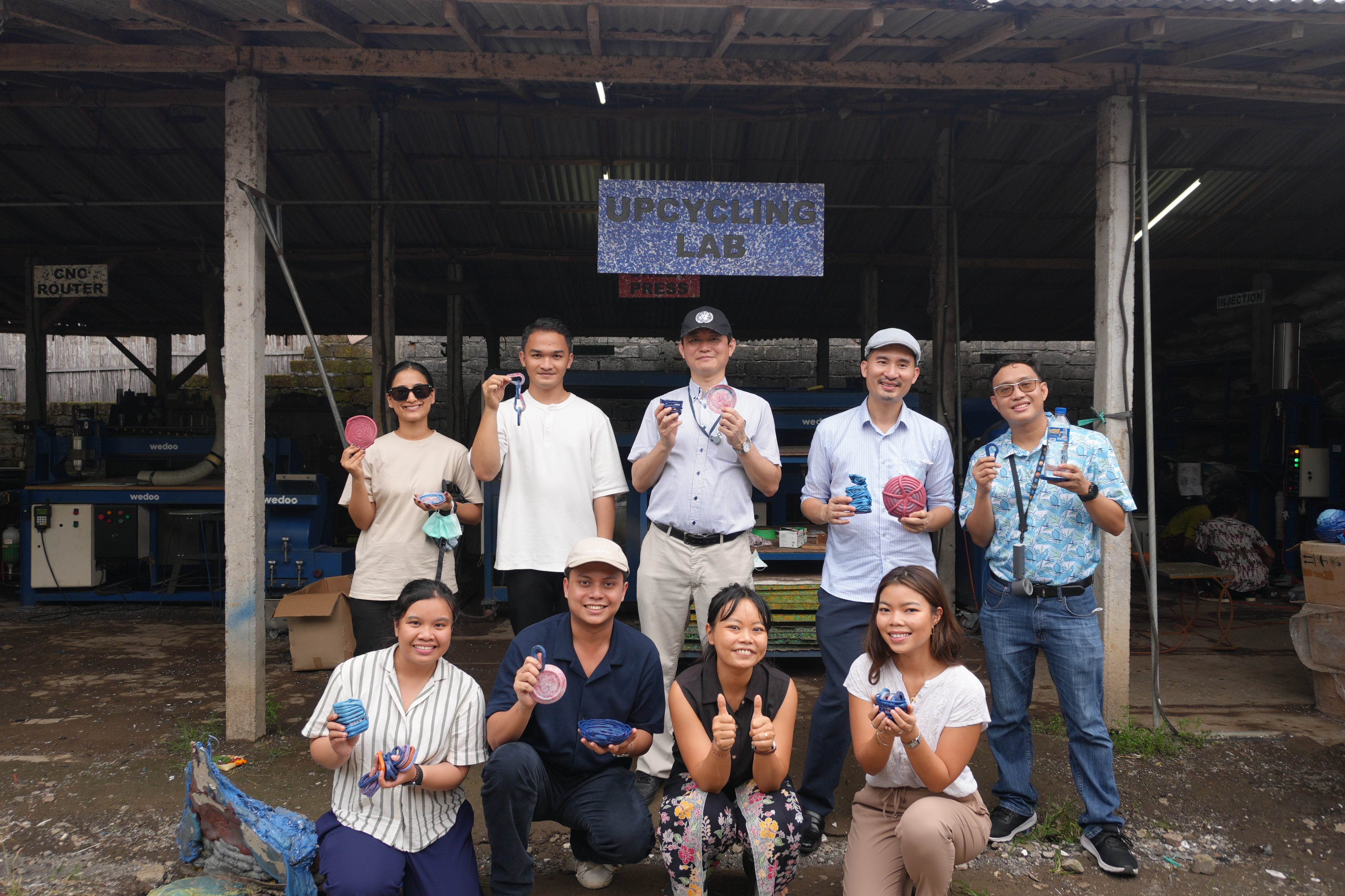
Through injection moulding and extrusion, plastic is transformed into functional and artistic products, turning waste into something tangible and valuable. The process makes the circular economy visible – allowing people to see, hear, and touch the transformation, and strengthening the connection between daily consumption and environmental impact.
Together, these sites tell a single, connected story. Plastic is collected before it reaches the sea, sorted responsibly at the household level, and transformed through local innovation. While challenges remain, Bali’s community-driven waste system shows how education, local leadership, and appropriate technology can work together to reduce plastic leakage and create a more circular future.
Research Associate for Capacity Building


Bali is known worldwide for its turquoise waters, lush landscapes, and vibrant culture. Yet in recent years, images of plastic waste washing up on its shores have travelled just as far – turning the island’s trash problem into global news. As international attention grew, it exposed the hidden cost of consumption – one that local communities have long confronted. Rather than retreating, communities across Bali are reshaping how waste is collected, sorted, and recycled, showing that protecting the island’s beauty begins with taking responsibility for what happens after waste is thrown away.
In Bali, the journey of plastic waste does not end at the shoreline. Instead, it moves through a connected chain of community action, household responsibility, and local innovation – one that begins with collection at sea, continues through neighbourhood-level sorting, and ultimately transforms waste into new value.
ERIA’s Regional Knowledge Centre team and its partners followed Bali’s plastic waste journey, which begins at Tanjung Benoa Beach, where plastic waste is intercepted before it can disperse further into the ocean. Along the coast, the Seven Clean Seas team conducts collection activities, including the use of the OTTER (Offshore & Tidal Trash Extraction Rig), a floating device designed to capture plastic debris in coastal waters.
I Wayan Eka Ruphina, Site Manager for Seven Clean Seas in Bali, explained that most of the waste collected in the ocean does not originate offshore, but comes from land-based sources, particularly leakage from a nearby traditional market. Carried by drainage systems and tidal flows, improperly managed waste eventually finds its way into the sea – highlighting how marine plastic pollution is deeply linked to waste management practices on land.
At TPS3R Panca Lestari, a community-based 3R (Reduce, Reuse, Recycle) facility in Tanjung Benoa, waste management begins at the source. Ni Kadek Suyatni, Head of KTP TPS3R Panca Lestari, emphasised that due to capacity constraints and limited community awareness, the system currently depends on families sorting their waste independently at home. The facility serves approximately 500 households.
In total, 47 waste types are received and managed from households, hotels, restaurants, and schools nearby. Waste is separated into organic, inorganic, residual, and wet waste streams. Organic waste – by far the largest portion received at the facility – is returned to nature through proper composting. This process relies on the right mixture of organic materials, appropriate moisture levels, and controlled temperatures, all of which are monitored daily. When food leftovers are mixed properly with organic material, they decompose without producing odour, hence preventing environmental and health risks. Inorganic waste, particularly plastics, is sent to the bank sampah, or waste bank, where materials are recycled and sold, allowing value to flow back to participating families.
Plastics received at the facility have already been cleaned by households and are collected once a month, improving recycling quality and efficiency. However, education remains one of the most persistent challenges, as changing long-standing habits around waste sorting is difficult. Across the areas surrounding TPS3R Panca Lestari, community groups and students – from kindergarten to university level – have participated in waste-sorting activities. Compliance efforts in Bali are further strengthened through local customary regulations (aturan adat); the facility works closely with customary villages (desa adat), including issuing formal letters from the villages to encourage community participation.
At WeDoo’s Recycled Design Lab: Sayang, plastic waste collected from communities is given a second life. Inside the workshop, plastic is sorted, shredded, melted, and reshaped using machines that WeDoo designed and built in-house. Ms Valerine Chandrakesuma, Co-Founder and CEO of WeDoo, believes that recycling solutions should be accessible, affordable, and replicable. By relying on open-source designs and locally adapted technology, WeDoo demonstrates that effective recycling does not need to depend on expensive industrial systems.
Through injection moulding and extrusion, plastic is transformed into functional and artistic products, turning waste into something tangible and valuable. The process makes the circular economy visible – allowing people to see, hear, and touch the transformation, and strengthening the connection between daily consumption and environmental impact.
Together, these sites tell a single, connected story. Plastic is collected before it reaches the sea, sorted responsibly at the household level, and transformed through local innovation. While challenges remain, Bali’s community-driven waste system shows how education, local leadership, and appropriate technology can work together to reduce plastic leakage and create a more circular future.
Research Associate for Capacity Building