



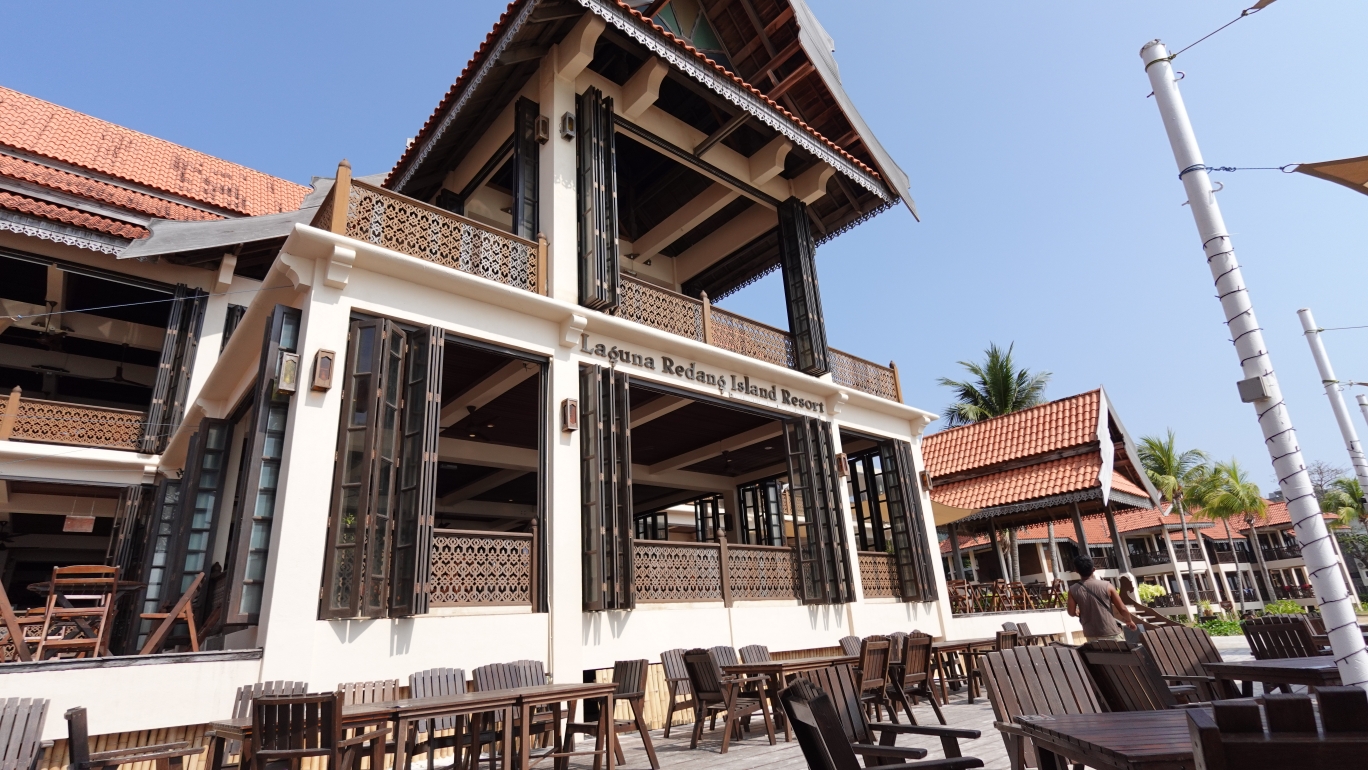
What began as a temporary movie set in 1999 for the Hong Kong film ‘Summer Holiday’, starring Richie Ren and Sammi Cheng, has since transformed into one of the most recognised resorts of Redang Island, Malaysia.
Drawn by the film’s popularity – particularly amongst Chinese tourists – a local family from Kuala Terengganu acquired the site and ventured into resort development. With its Terengganu-inspired architecture, quality service, and wide range of water-based activities, Laguna Redang Island Resort has grown into a preferred destination.
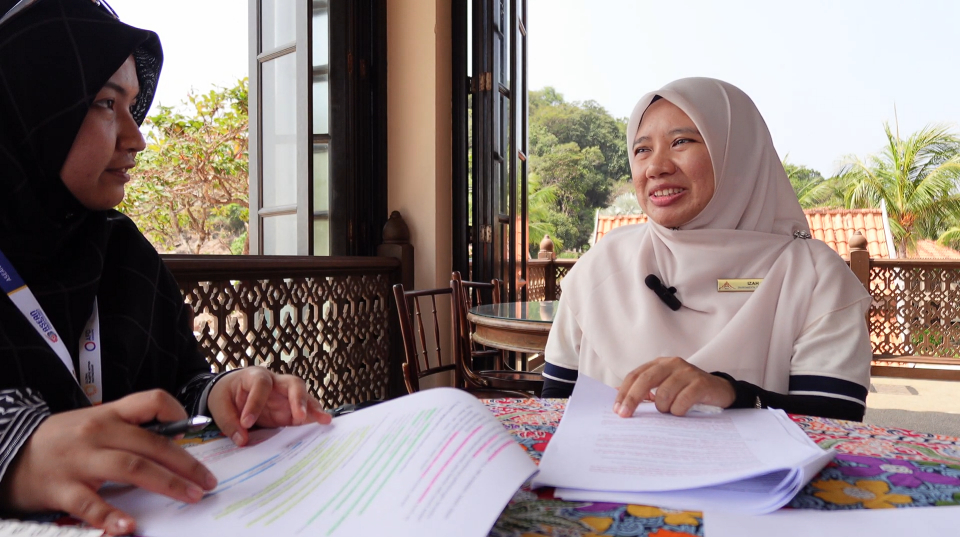
Beyond its appeal as a leisure attraction, Laguna has embarked on a green journey that demonstrates how environmental stewardship and tourism can co-exist. To learn more the resort’s efforts to reduce plastic waste while preserving the surrounding natural ecosystems, the Regional Knowledge Centre for Marine Plastic Debris spoke with Ms Norfaizah Binti Zainal Ariffin, Environmental Executive at Laguna Redang Island Resort.
Ms Norfaizah: At Laguna, sustainability is not an afterthought – it is the foundation of every decision. Guided by the principles of conservation, sustainability, and community engagement, the resort has embedded environmental responsibility into its operations since its establishment.
Located within a sensitive marine ecosystem, the resort depends on the health of surrounding coral reefs and marine life. Therefore, we believe that sustainability is everyone’s responsibility.
Rather than assigning environmental duties to a single department, Laguna cultivates a collective culture that involves staff, guests, researchers, and local communities. In doing so, conservation becomes not just a policy, but a daily practice woven into the resort’s operations.
Yes, plastic pollution remains one of Laguna’s most pressing challenges – one shaped by both internal consumption and external forces.
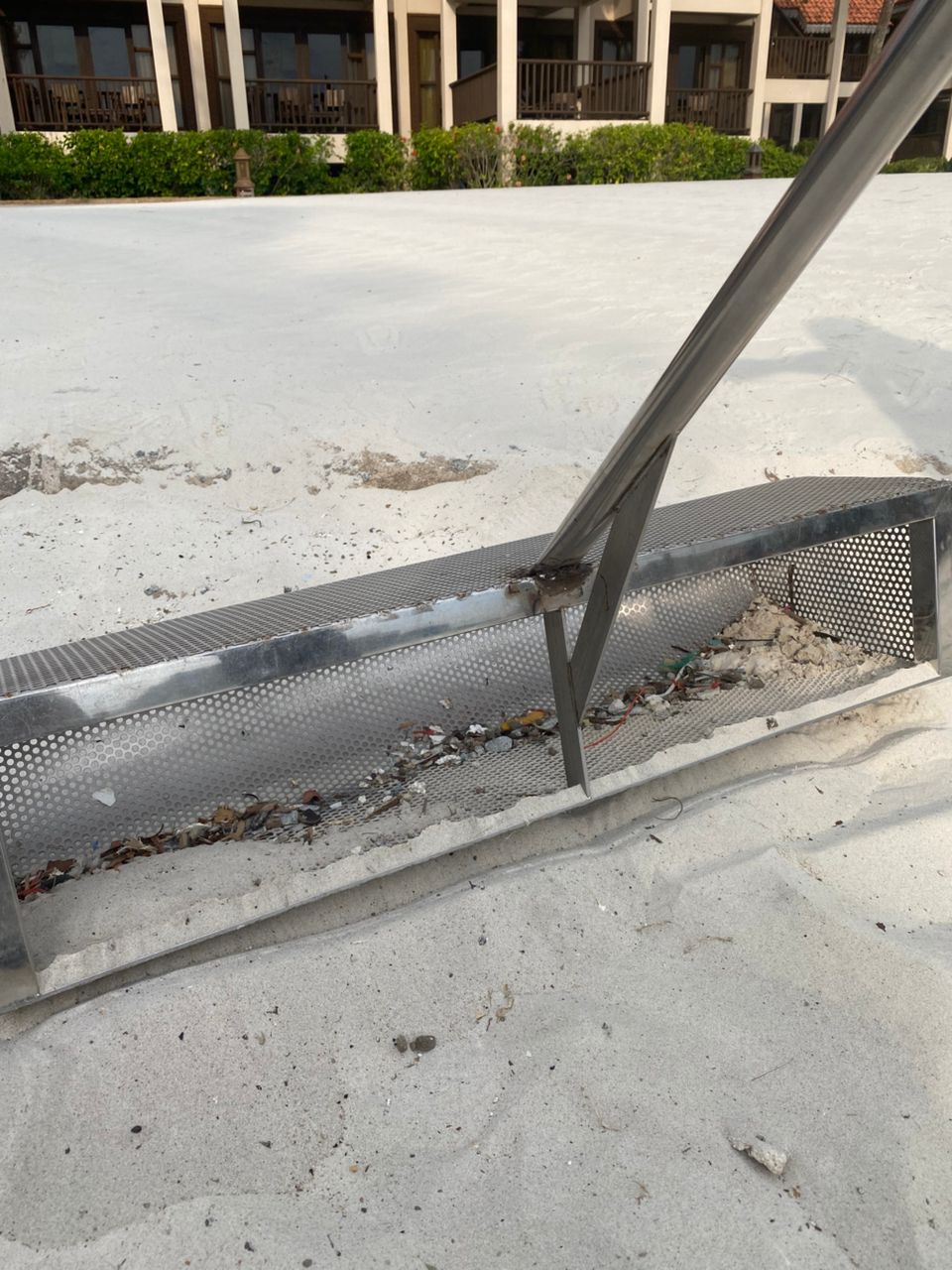
As a large resort, the daily use of bottled water generates a significant amount of plastic waste. Yet, an even greater issue arrives during the monsoon season, when waves carry what we call ‘international plastics’ – often bottle caps and fragmented debris – onto our shores. These plastics pose great risks to marine life and coral ecosystems, threatening the very environment that draws visitors to Redang.
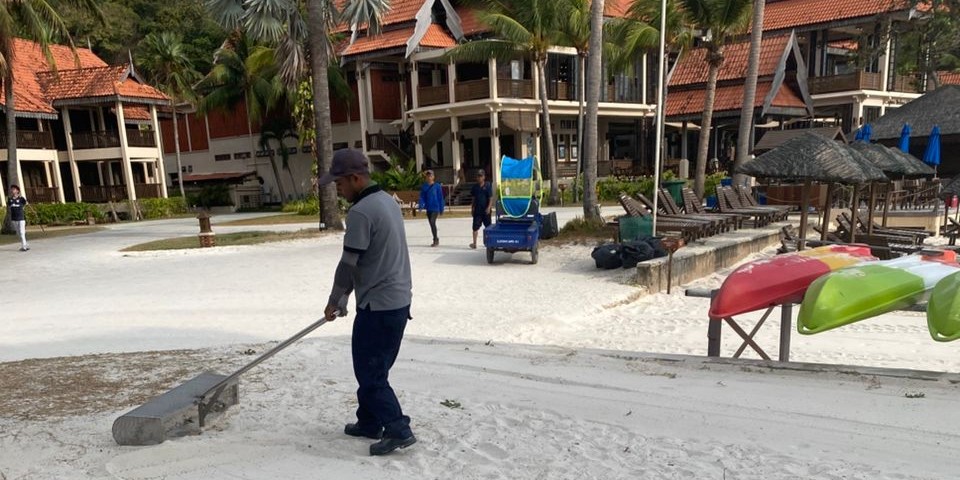
In response, Laguna has taken decisive steps: eliminating plastic straws, introducing refillable dispensers, strengthening recycling systems, and maintaining daily beach clean-ups alongside periodic underwater efforts. However, the most impactful solution lies in awareness.
At Laguna, waste does not end at disposal – it marks the beginning of a new journey.
Waste is transformed into value through a circular system. The process not only reduces landfill dependency but also generates revenue. For instance, our ‘Trash to Cash’ programme generated a total of RM8,150 from the sale of recycle items in 2022.
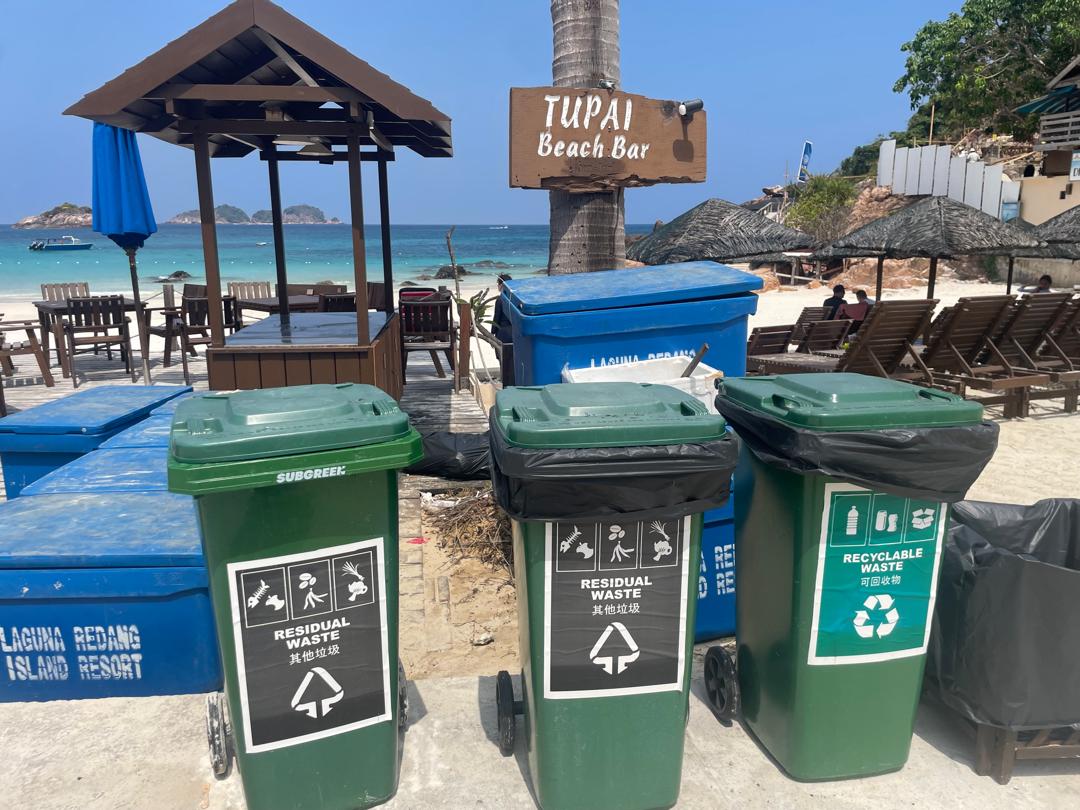
Everyone here is playing a very crucial role in taking care of the environment. Staff members across all departments actively participate in waste segregation, ensuring recyclables such as plastics, tins, used cooking oil, and lubricant oil are separated and sent to recycling partners.
Organic waste follows a separate cycle. Food scraps, particularly pineapple peels, are converted into eco-enzymes – a multi-purpose solution used for cleaning, fertilising, and maintaining kitchen systems. This closed-loop approach ensures that waste is continuously repurposed, so resources are maximised rather than discarded.
Sustainability at Laguna thrives on creativity. Rather than relying solely on standard practices, we continuously explore innovative ways to reduce waste and rethink resource use. Every year, we organise a ‘waste-to-wealth’ competition that encourages staff and guests to transform discarded materials into inventive products.
Innovation is also embedded in our daily operations. The production of eco-enzymes from food waste turns simple organic scraps into functional, eco-friendly solutions used across departments.
Meanwhile, practical adjustments – such as replacing plastic bags with discarded linen – demonstrate how small changes can yield meaningful impact. This approach reflects a key philosophy: sustainability does not require complexity – it begins with a willingness to start small.
Beyond the resort, Laguna works closely with NGOs such as Reef Check and SEATRU, researchers from Universiti Malaysia Terengganu, and local communities, including schools on Redang Island. These collaborations bring conservation to life through initiatives such as turtle release programmes, coral restoration, and large-scale clean-ups including the removal of ghost gear.
Grounded in the belief that sustainability is everyone’s responsibility, Laguna demonstrates that meaningful environmental change is not achieved in isolation. It is built through shared knowledge, collective efforts, and a commitment to protecting the natural world.

Research Assistant, Centre for Ocean Governance (COG-INOS)
Research Associate


What began as a temporary movie set in 1999 for the Hong Kong film ‘Summer Holiday’, starring Richie Ren and Sammi Cheng, has since transformed into one of the most recognised resorts of Redang Island, Malaysia.
Drawn by the film’s popularity – particularly amongst Chinese tourists – a local family from Kuala Terengganu acquired the site and ventured into resort development. With its Terengganu-inspired architecture, quality service, and wide range of water-based activities, Laguna Redang Island Resort has grown into a preferred destination.
Beyond its appeal as a leisure attraction, Laguna has embarked on a green journey that demonstrates how environmental stewardship and tourism can co-exist. To learn more the resort’s efforts to reduce plastic waste while preserving the surrounding natural ecosystems, the Regional Knowledge Centre for Marine Plastic Debris spoke with Ms Norfaizah Binti Zainal Ariffin, Environmental Executive at Laguna Redang Island Resort.
Ms Norfaizah: At Laguna, sustainability is not an afterthought – it is the foundation of every decision. Guided by the principles of conservation, sustainability, and community engagement, the resort has embedded environmental responsibility into its operations since its establishment.
Located within a sensitive marine ecosystem, the resort depends on the health of surrounding coral reefs and marine life. Therefore, we believe that sustainability is everyone’s responsibility.
Rather than assigning environmental duties to a single department, Laguna cultivates a collective culture that involves staff, guests, researchers, and local communities. In doing so, conservation becomes not just a policy, but a daily practice woven into the resort’s operations.
Yes, plastic pollution remains one of Laguna’s most pressing challenges – one shaped by both internal consumption and external forces.
As a large resort, the daily use of bottled water generates a significant amount of plastic waste. Yet, an even greater issue arrives during the monsoon season, when waves carry what we call ‘international plastics’ – often bottle caps and fragmented debris – onto our shores. These plastics pose great risks to marine life and coral ecosystems, threatening the very environment that draws visitors to Redang.
In response, Laguna has taken decisive steps: eliminating plastic straws, introducing refillable dispensers, strengthening recycling systems, and maintaining daily beach clean-ups alongside periodic underwater efforts. However, the most impactful solution lies in awareness.
At Laguna, waste does not end at disposal – it marks the beginning of a new journey.
Waste is transformed into value through a circular system. The process not only reduces landfill dependency but also generates revenue. For instance, our ‘Trash to Cash’ programme generated a total of RM8,150 from the sale of recycle items in 2022.
Everyone here is playing a very crucial role in taking care of the environment. Staff members across all departments actively participate in waste segregation, ensuring recyclables such as plastics, tins, used cooking oil, and lubricant oil are separated and sent to recycling partners.
Organic waste follows a separate cycle. Food scraps, particularly pineapple peels, are converted into eco-enzymes – a multi-purpose solution used for cleaning, fertilising, and maintaining kitchen systems. This closed-loop approach ensures that waste is continuously repurposed, so resources are maximised rather than discarded.
Sustainability at Laguna thrives on creativity. Rather than relying solely on standard practices, we continuously explore innovative ways to reduce waste and rethink resource use. Every year, we organise a ‘waste-to-wealth’ competition that encourages staff and guests to transform discarded materials into inventive products.
Innovation is also embedded in our daily operations. The production of eco-enzymes from food waste turns simple organic scraps into functional, eco-friendly solutions used across departments.
Meanwhile, practical adjustments – such as replacing plastic bags with discarded linen – demonstrate how small changes can yield meaningful impact. This approach reflects a key philosophy: sustainability does not require complexity – it begins with a willingness to start small.
Beyond the resort, Laguna works closely with NGOs such as Reef Check and SEATRU, researchers from Universiti Malaysia Terengganu, and local communities, including schools on Redang Island. These collaborations bring conservation to life through initiatives such as turtle release programmes, coral restoration, and large-scale clean-ups including the removal of ghost gear.
Grounded in the belief that sustainability is everyone’s responsibility, Laguna demonstrates that meaningful environmental change is not achieved in isolation. It is built through shared knowledge, collective efforts, and a commitment to protecting the natural world.
Research Assistant, Centre for Ocean Governance (COG-INOS)
Research Associate