


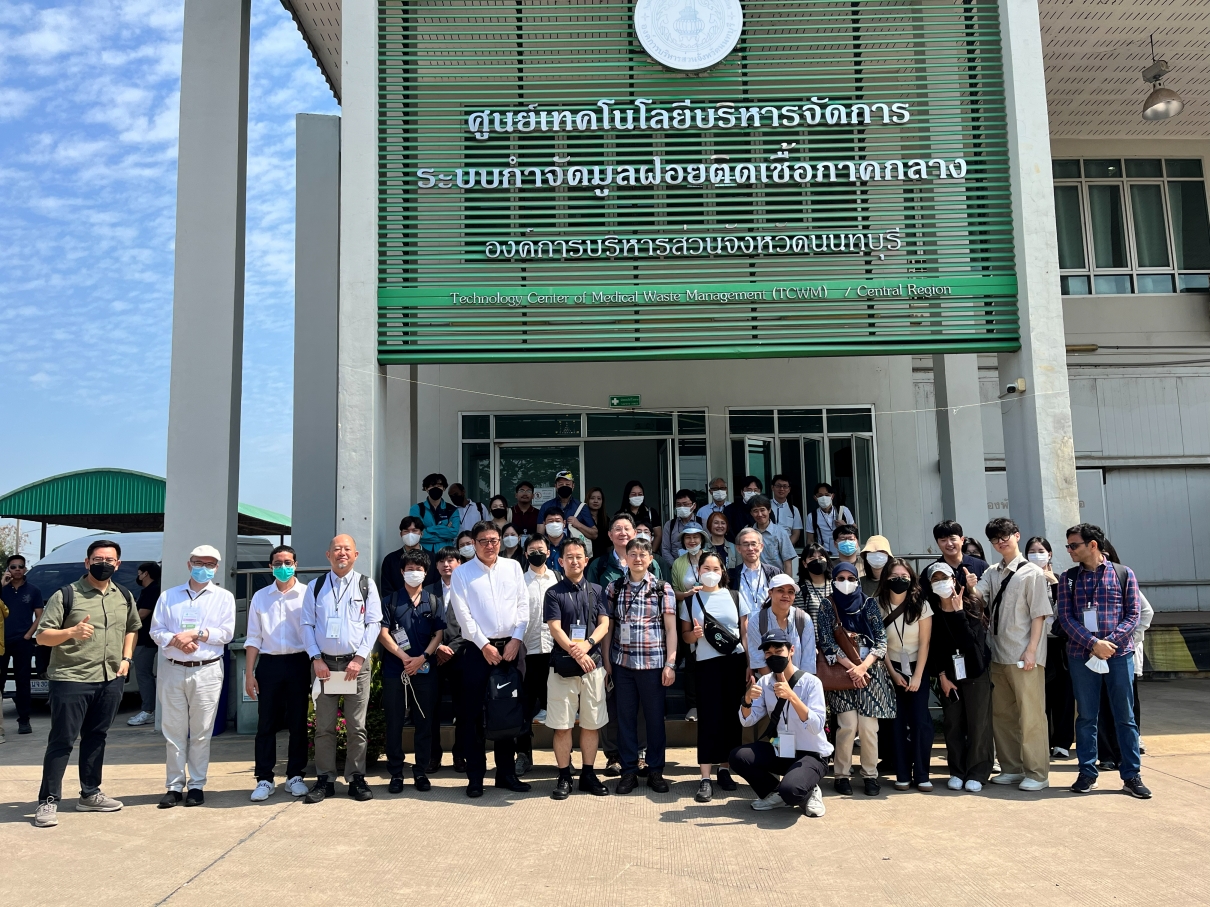
Nonthaburi, 11 March 2026: As part of the 3RINCs 2026 programme, selected participants took part in a site visit to the Nonthaburi Provincial Administration Organization (NPAO) Waste Disposal Site in Sai Noi District, Nonthaburi Province, Thailand. Established more than 3 decades ago, the facility has evolved into a comprehensive waste management hub, reflecting the region’s long-term commitment to sustainable practices.
Local government organisations across Nonthaburi are responsible for collecting waste in their areas and delivering it to NPAO waste disposal site, paying a disposal fee of ฿200 per tonne. By 2025, the facility processes roughly 1,687 tonnes of waste each day, highlighting the sheer scale of the region’s waste generation.
The facility manages a wide range of waste – including municipal solid waste, infectious waste, hazardous materials, night soil, and wastewater. New municipal waste is disposed of using sanitary landfill methods, while older waste is excavated and converted into refuse-derived fuel (RDF), turning it into a useful energy source. Leachate from the landfill is treated using high-recovery reverse osmosis to remove harmful substances. Infectious waste is processed through controlled incineration, and hazardous waste is carefully collected and handled to prevent pollution. Meanwhile, night soil is treated through a combination of anaerobic and aerobic processes, and wastewater is managed in a dedicated treatment plant. Overall, the system shows a practical and effective way to handle different types of waste safely.
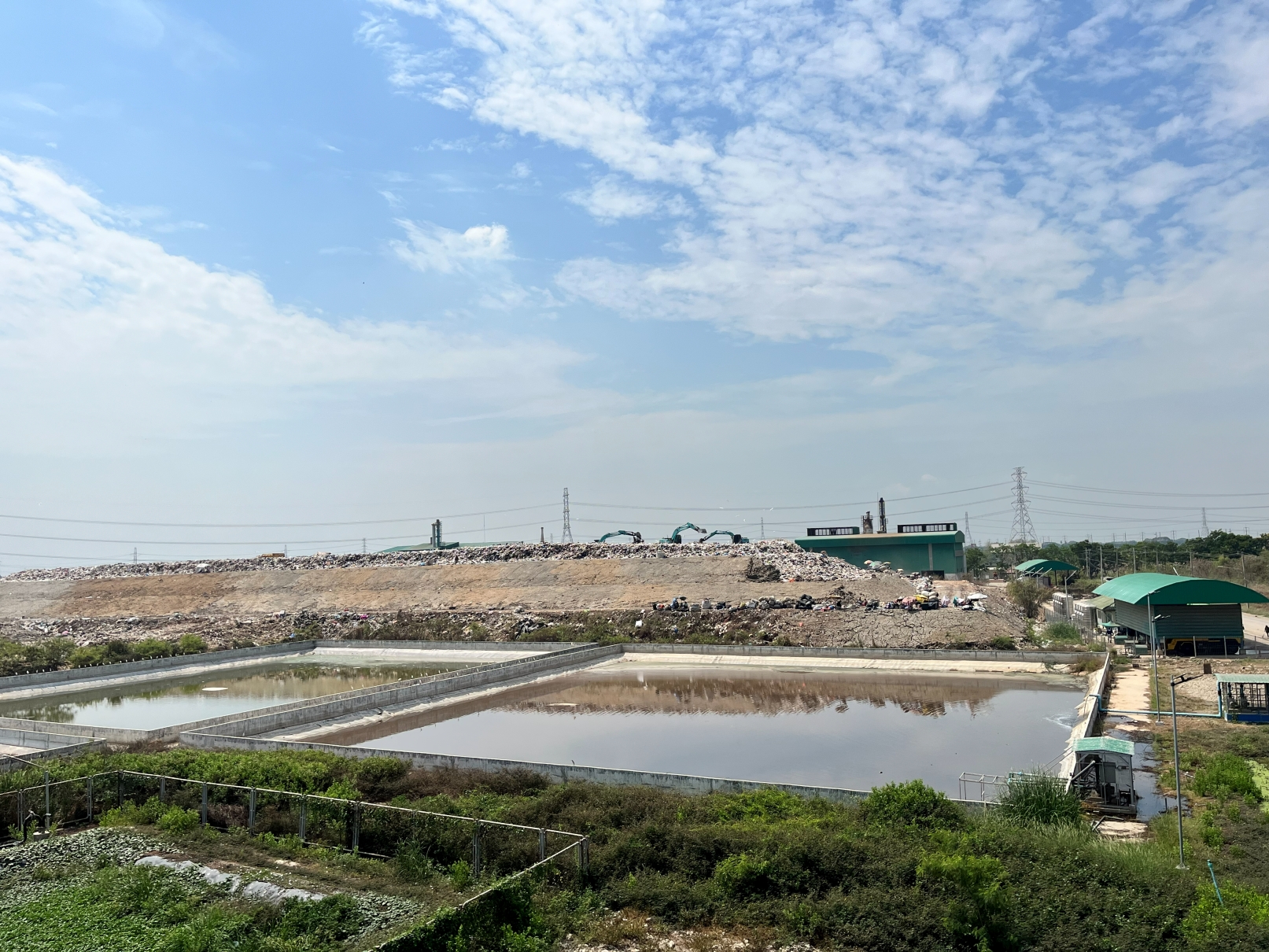
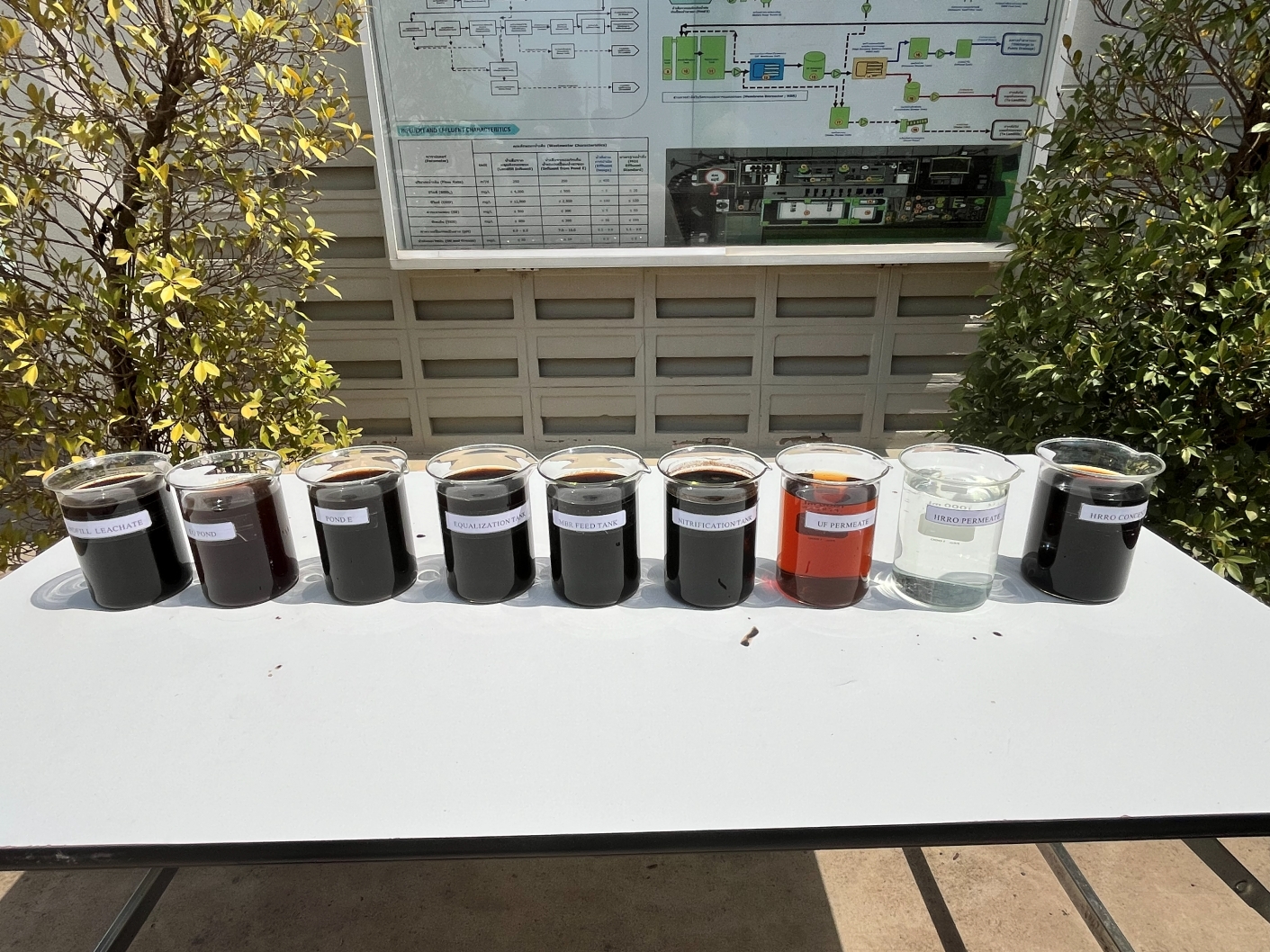
During the site visit, 3RINCs participants toured the landfill, incineration facility, and wastewater treatment plant. They observed how leachate is transformed into clean water, which is then reused to support the facility’s daily operations. The facility also uses effective microorganisms to control odours, helping maintain a clean and more environmentally friendly setting.
The landfill has made significant progress in reducing greenhouse gas emissions. Through a methane recovery system that converts landfill gas into electricity, the facility has captured substantial amounts of CO₂ equivalent. Between 1 January 2021 and 31 December 2025, these efforts prevented a total of 698,744 tCO₂e from entering the atmosphere, helping to mitigate climate impact.
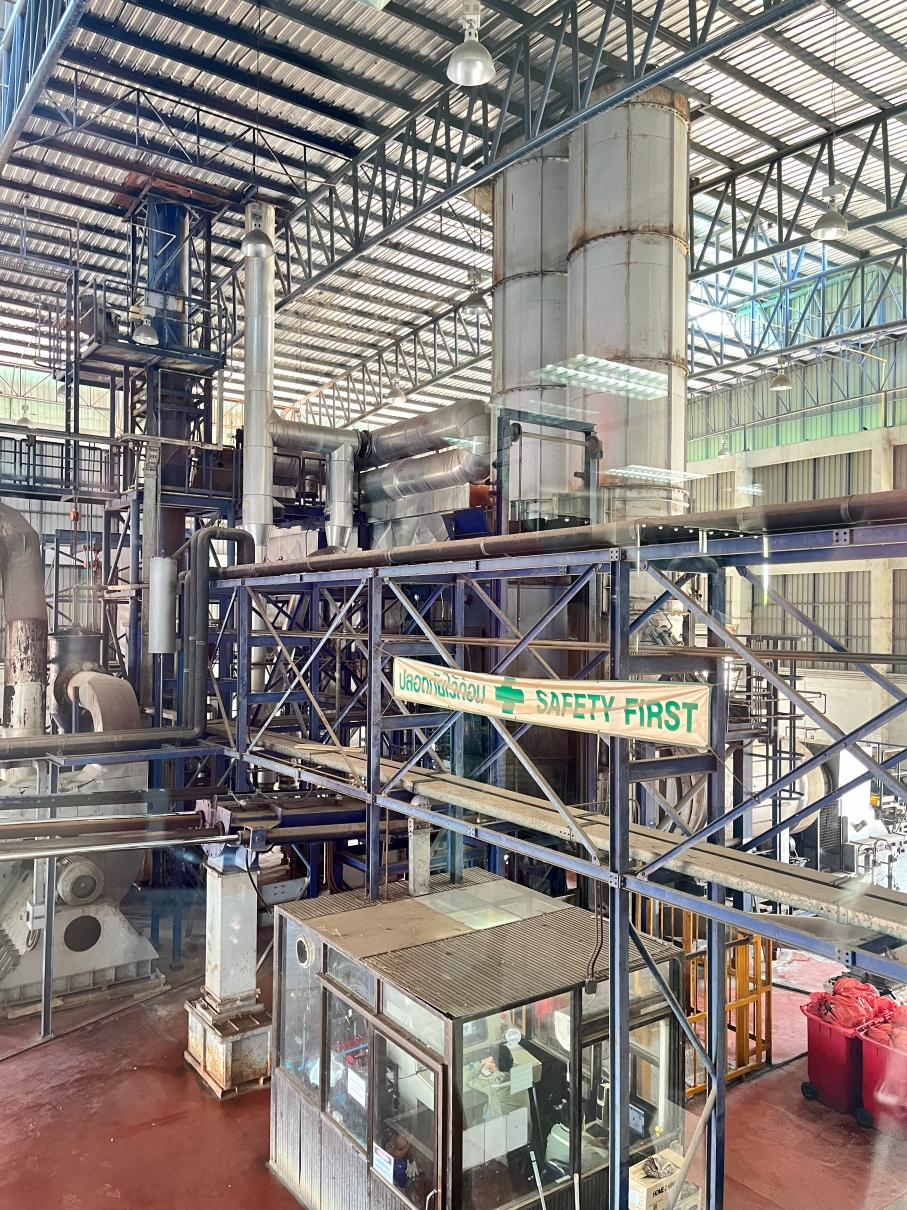
Looking ahead, the facility plans to further enhance its environmental contributions. Collected waste will later be incinerated to recover energy, and once the landfill reaches its capacity, it will be transformed into a public space, offering the community a safe and green environment. This transformation demonstrating that effective waste management can go hand in hand with creating spaces that benefit both people and the environment.

Research Associate


Nonthaburi, 11 March 2026: As part of the 3RINCs 2026 programme, selected participants took part in a site visit to the Nonthaburi Provincial Administration Organization (NPAO) Waste Disposal Site in Sai Noi District, Nonthaburi Province, Thailand. Established more than 3 decades ago, the facility has evolved into a comprehensive waste management hub, reflecting the region’s long-term commitment to sustainable practices.
Local government organisations across Nonthaburi are responsible for collecting waste in their areas and delivering it to NPAO waste disposal site, paying a disposal fee of ฿200 per tonne. By 2025, the facility processes roughly 1,687 tonnes of waste each day, highlighting the sheer scale of the region’s waste generation.
The facility manages a wide range of waste – including municipal solid waste, infectious waste, hazardous materials, night soil, and wastewater. New municipal waste is disposed of using sanitary landfill methods, while older waste is excavated and converted into refuse-derived fuel (RDF), turning it into a useful energy source. Leachate from the landfill is treated using high-recovery reverse osmosis to remove harmful substances. Infectious waste is processed through controlled incineration, and hazardous waste is carefully collected and handled to prevent pollution. Meanwhile, night soil is treated through a combination of anaerobic and aerobic processes, and wastewater is managed in a dedicated treatment plant. Overall, the system shows a practical and effective way to handle different types of waste safely.
During the site visit, 3RINCs participants toured the landfill, incineration facility, and wastewater treatment plant. They observed how leachate is transformed into clean water, which is then reused to support the facility’s daily operations. The facility also uses effective microorganisms to control odours, helping maintain a clean and more environmentally friendly setting.
The landfill has made significant progress in reducing greenhouse gas emissions. Through a methane recovery system that converts landfill gas into electricity, the facility has captured substantial amounts of CO₂ equivalent. Between 1 January 2021 and 31 December 2025, these efforts prevented a total of 698,744 tCO₂e from entering the atmosphere, helping to mitigate climate impact.
Looking ahead, the facility plans to further enhance its environmental contributions. Collected waste will later be incinerated to recover energy, and once the landfill reaches its capacity, it will be transformed into a public space, offering the community a safe and green environment. This transformation demonstrating that effective waste management can go hand in hand with creating spaces that benefit both people and the environment.
Research Associate

 Workshop Empowers Youth to Advance Environmental Action-6a1803513609b.png)