



Jakarta, 7–8 May 2026: Youth have long played an important role in addressing environmental challenges. With their creativity and fresh perspectives, they have the potential to raise awareness, inspire collective action, and encourage positive behavioural changes within their communities.
Recognising this potential, ERIA’s Regional Knowledge Centre for Marine Plastic Debris – in collaboration with The Conversation Indonesia (TCID), GIZ Indonesia, and ASEAN under marine litter co-operation – organised a 2-day science communication workshop, ASEAN Young Green Communicators (AYGC). The programme aimed to empower Southeast Asian youth to translate complex environmental issues – particularly plastic pollution – into accessible and compelling narratives.
Following the open call in early March, the programme received an overwhelming response, attracting 755 applicants from 11 ASEAN Member States. Candidates registered under one of two workshop tracks – article writing or visual content creation – based on their interests and skills. After a highly competitive selection process, 18 young people from eight countries were selected for the in-person workshop in Jakarta.
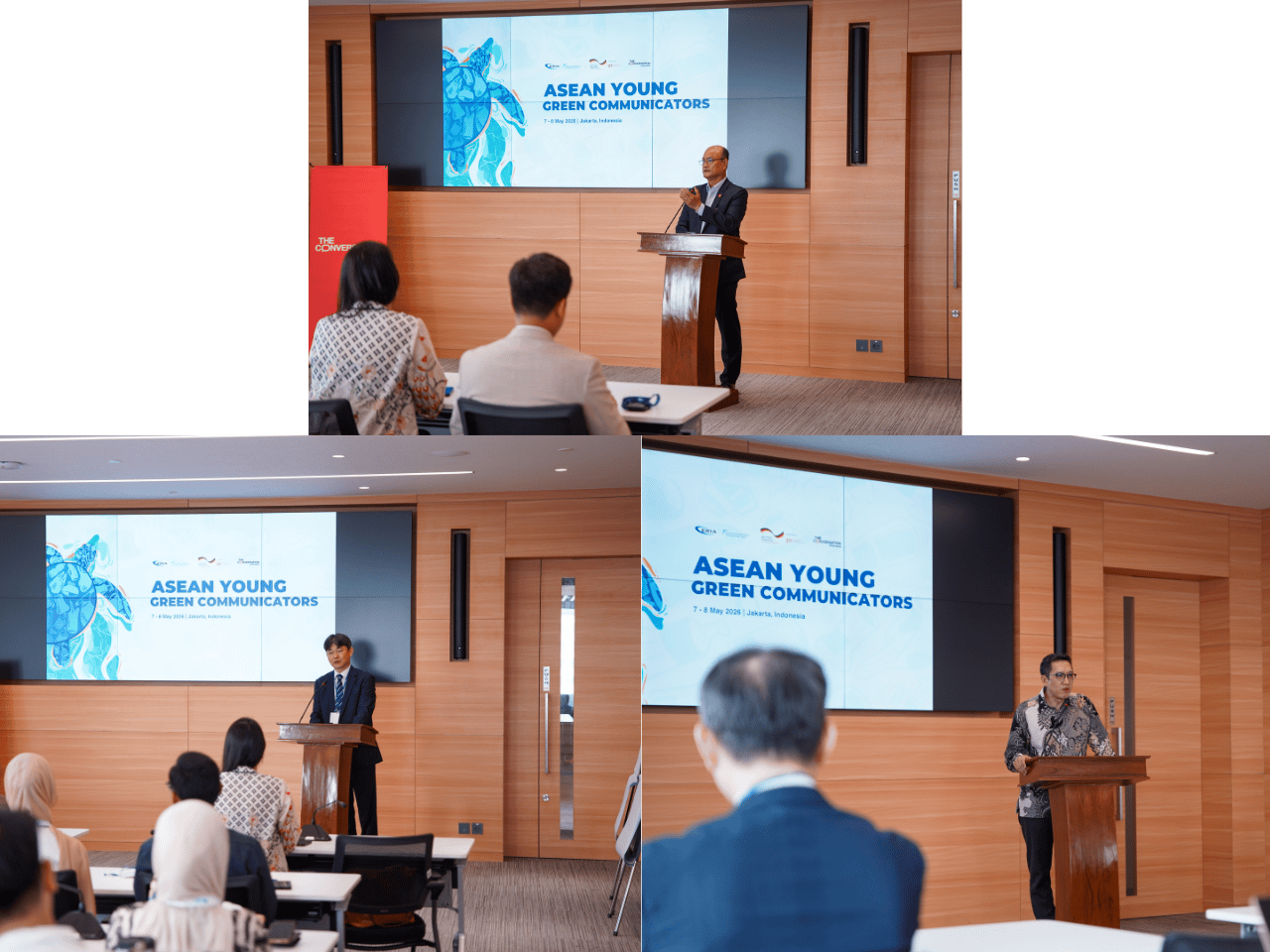
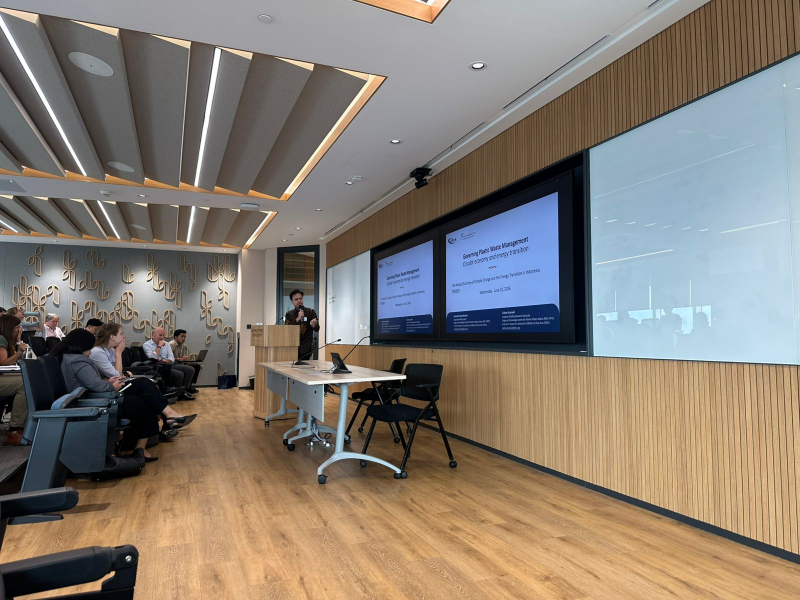
At the opening session, Mr Reo Kawamura, Director for Environmental Policy and ERIA’s Regional Knowledge Centre for Marine Plastic Debris, highlighted that plastic pollution is both an environmental and societal challenge requiring collective action, making the role of youth in creating impactful narratives vital.
Sharing a similar perspective, Mr Phong Giang, Commission Manager at GIZ Indonesia and ASEAN’s marine litter co-operation, underscored youth as strategic partners in promoting sustainable practices and advancing regional solutions.
Dr Vong Sok, Head of the Environment Division at the ASEAN Secretariat, delivered a keynote speech reaffirming the unique power of young people in influencing and mobilising communities across generations. He encouraged participants to actively learn from the workshop and from one another, and to apply the insights back home.
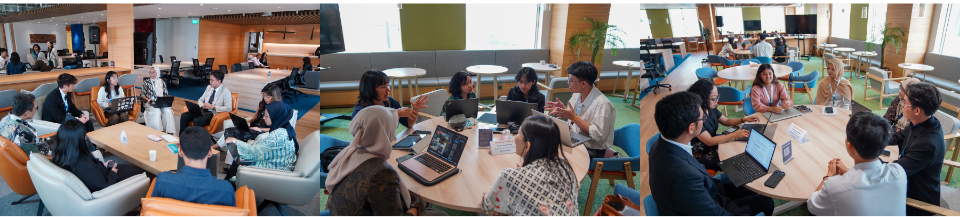
On the first day, participants gained foundational knowledge in science communication, alongside an overview of plastic pollution challenges and regional responses.
Ms Nurul Fitri Ramadhani, Policy and Society Editor at TCID, shared insights on effectively communicating scientific materials by identifying the right angles and framing for different audiences. Mr Muammar Syarif, TCID’s Multiplatform Manager, discussed navigating social media, highlighting the importance of presenting scientific findings in creative and engaging formats that can capture public attention and encourage wider engagement.
The session sparked active participation. Many participants highlighted the difficulty of translating complex scientific issues into relatable and understandable messages for highly diverse audiences, especially in a fast-paced digital landscape where misinformation can spread rapidly.
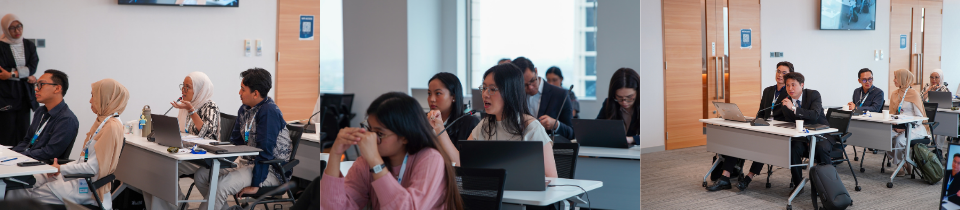
Following the foundational sessions, participants underwent intensive training according to their selected tracks – article writing or visual content creation – led by TCID trainers. These specialised sessions equipped them with practical storytelling techniques, content development strategies, and audience engagement approaches.
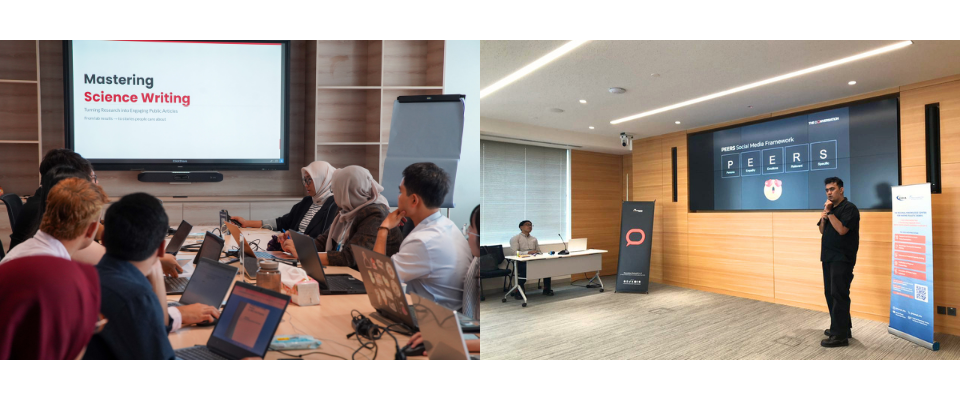
Alongside the communication sessions, Mr Indradhi Faisal Ibrahim, Capacity Building Expert at the Centre, delivered a presentation on the current state of plastic pollution in Southeast Asia. He covered emerging challenges, regional policy responses, and common misconceptions surrounding plastic pollution that often hinder public understanding and effective action.
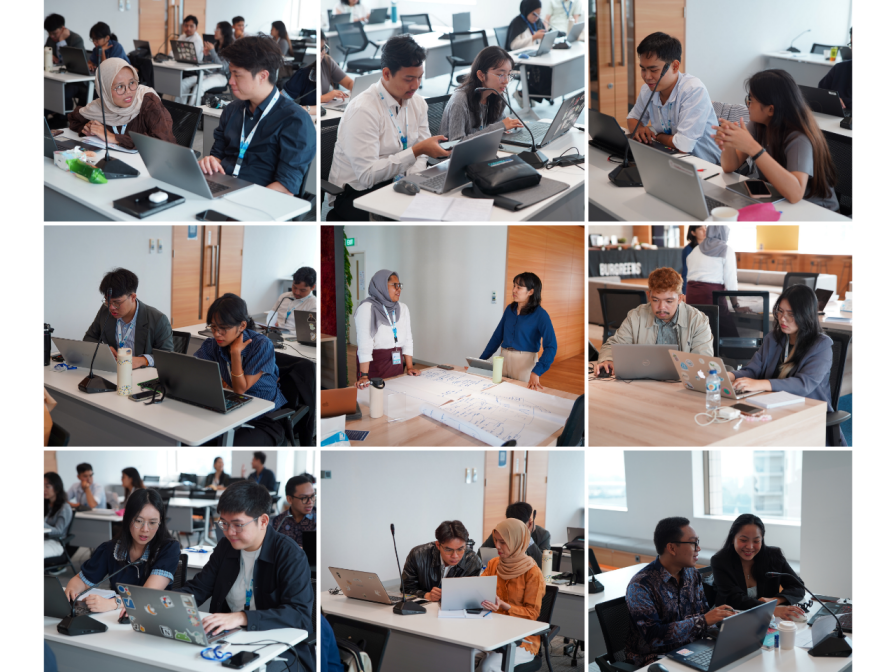
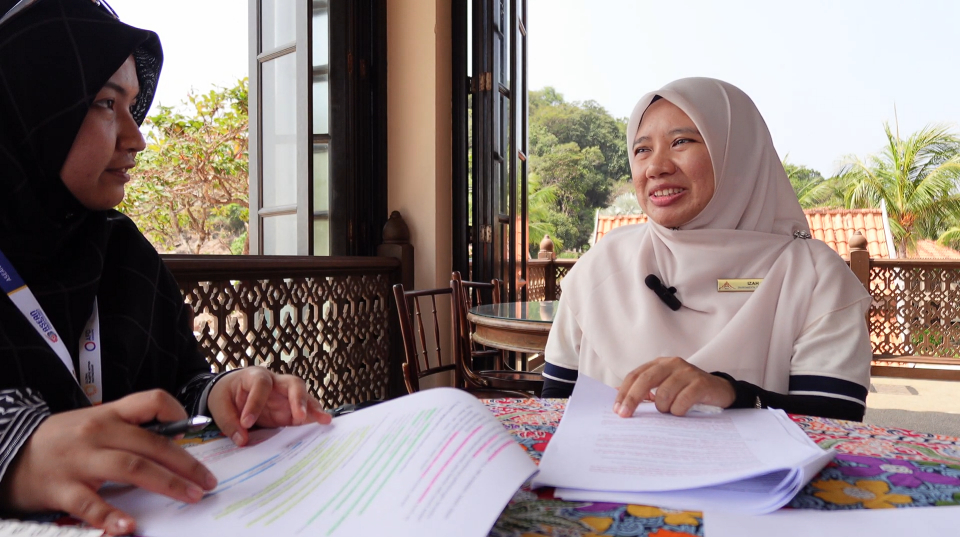
To apply these insights, participants partnered in pairs – comprising one article writer and one visual content creator – to develop assigned knowledge products. Dedicated breakout sessions allowed participants to exchange ideas, refine story angles, and receive guidance from mentors to strengthen the substance and communication approach of their proposed outputs.
The second day focused on transforming the learned concepts into initial drafts. Trainers and mentors closely worked with the pairs, offering input to strengthen the substance, storytelling approach, and overall messaging of their outputs.
The workshop concluded with group presentations for final peer and facilitator feedback. These drafts will continue to be developed and refined over the next two weeks before final submission.
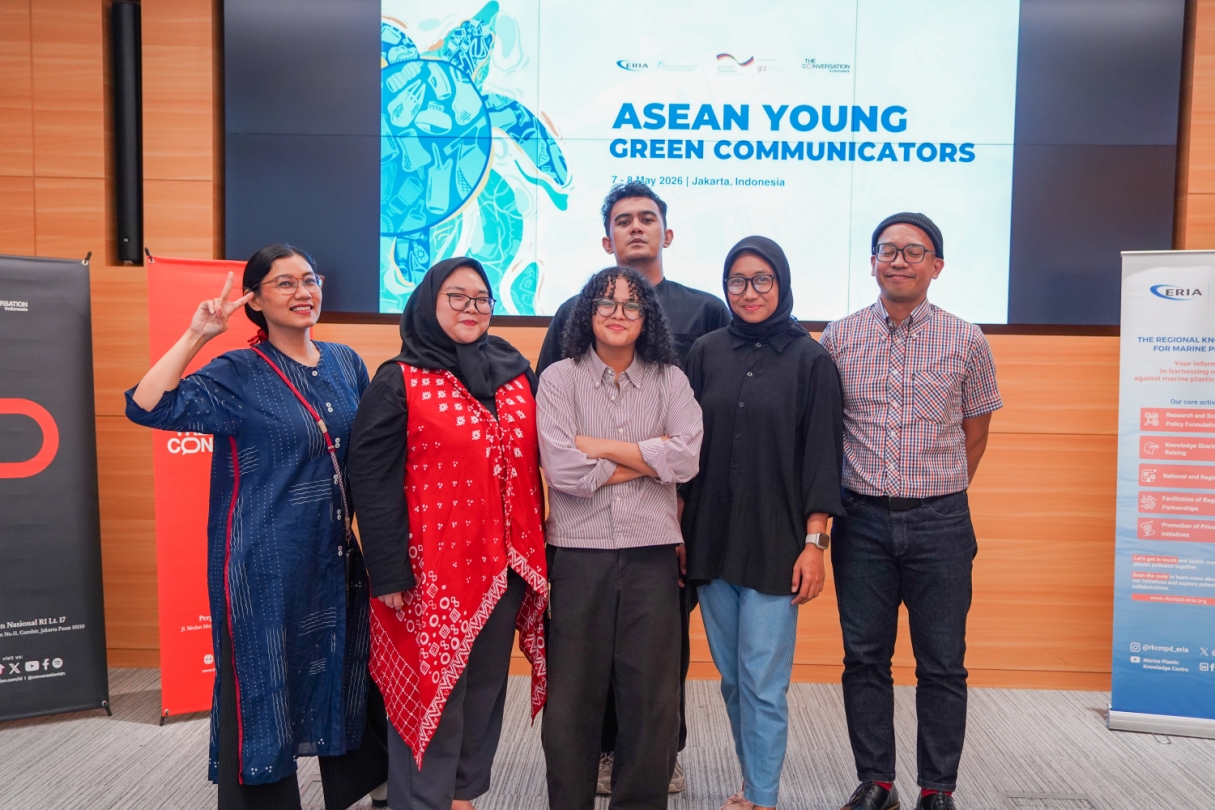
The workshop marks an important step in fostering young voices that can inspire greater environmental awareness and action across the region. By nurturing young green communicators from across ASEAN, the programme empowers participants to continue leveraging their skills and platforms to actively shape science-based narratives, advance environmental awareness, and inspire actions within their communities.
Knowledge Management Assistant


Jakarta, 7–8 May 2026: Youth have long played an important role in addressing environmental challenges. With their creativity and fresh perspectives, they have the potential to raise awareness, inspire collective action, and encourage positive behavioural changes within their communities.
Recognising this potential, ERIA’s Regional Knowledge Centre for Marine Plastic Debris – in collaboration with The Conversation Indonesia (TCID), GIZ Indonesia, and ASEAN under marine litter co-operation – organised a 2-day science communication workshop, ASEAN Young Green Communicators (AYGC). The programme aimed to empower Southeast Asian youth to translate complex environmental issues – particularly plastic pollution – into accessible and compelling narratives.
Following the open call in early March, the programme received an overwhelming response, attracting 755 applicants from 11 ASEAN Member States. Candidates registered under one of two workshop tracks – article writing or visual content creation – based on their interests and skills. After a highly competitive selection process, 18 young people from eight countries were selected for the in-person workshop in Jakarta.
At the opening session, Mr Reo Kawamura, Director for Environmental Policy and ERIA’s Regional Knowledge Centre for Marine Plastic Debris, highlighted that plastic pollution is both an environmental and societal challenge requiring collective action, making the role of youth in creating impactful narratives vital.
Sharing a similar perspective, Mr Phong Giang, Commission Manager at GIZ Indonesia and ASEAN’s marine litter co-operation, underscored youth as strategic partners in promoting sustainable practices and advancing regional solutions.
Dr Vong Sok, Head of the Environment Division at the ASEAN Secretariat, delivered a keynote speech reaffirming the unique power of young people in influencing and mobilising communities across generations. He encouraged participants to actively learn from the workshop and from one another, and to apply the insights back home.
On the first day, participants gained foundational knowledge in science communication, alongside an overview of plastic pollution challenges and regional responses.
Ms Nurul Fitri Ramadhani, Policy and Society Editor at TCID, shared insights on effectively communicating scientific materials by identifying the right angles and framing for different audiences. Mr Muammar Syarif, TCID’s Multiplatform Manager, discussed navigating social media, highlighting the importance of presenting scientific findings in creative and engaging formats that can capture public attention and encourage wider engagement.
The session sparked active participation. Many participants highlighted the difficulty of translating complex scientific issues into relatable and understandable messages for highly diverse audiences, especially in a fast-paced digital landscape where misinformation can spread rapidly.
Following the foundational sessions, participants underwent intensive training according to their selected tracks – article writing or visual content creation – led by TCID trainers. These specialised sessions equipped them with practical storytelling techniques, content development strategies, and audience engagement approaches.
Alongside the communication sessions, Mr Indradhi Faisal Ibrahim, Capacity Building Expert at the Centre, delivered a presentation on the current state of plastic pollution in Southeast Asia. He covered emerging challenges, regional policy responses, and common misconceptions surrounding plastic pollution that often hinder public understanding and effective action.
To apply these insights, participants partnered in pairs – comprising one article writer and one visual content creator – to develop assigned knowledge products. Dedicated breakout sessions allowed participants to exchange ideas, refine story angles, and receive guidance from mentors to strengthen the substance and communication approach of their proposed outputs.
The second day focused on transforming the learned concepts into initial drafts. Trainers and mentors closely worked with the pairs, offering input to strengthen the substance, storytelling approach, and overall messaging of their outputs.
The workshop concluded with group presentations for final peer and facilitator feedback. These drafts will continue to be developed and refined over the next two weeks before final submission.
The workshop marks an important step in fostering young voices that can inspire greater environmental awareness and action across the region. By nurturing young green communicators from across ASEAN, the programme empowers participants to continue leveraging their skills and platforms to actively shape science-based narratives, advance environmental awareness, and inspire actions within their communities.
Knowledge Management Assistant



 Workshop Empowers Youth to Advance Environmental Action-6a1803513609b.png)