



Bangkok, 10 March 2026: Proper collection and dismantling of electronic waste (e-waste) enable the extraction of critical minerals for reuse, making it an effective measure for sustainable resource management and environmental protection. Despite this, the growing volume of e-waste generated in ASEAN is still improperly disposed of, causing environmental harm due to the leakage of hazardous substances and the open burning of waste.
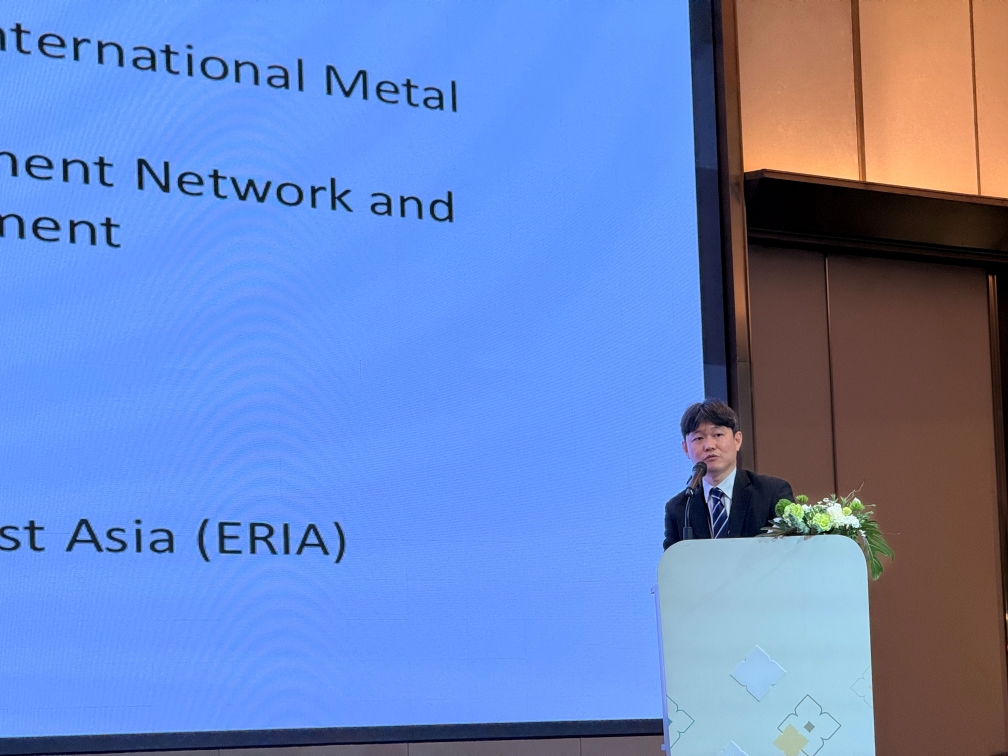
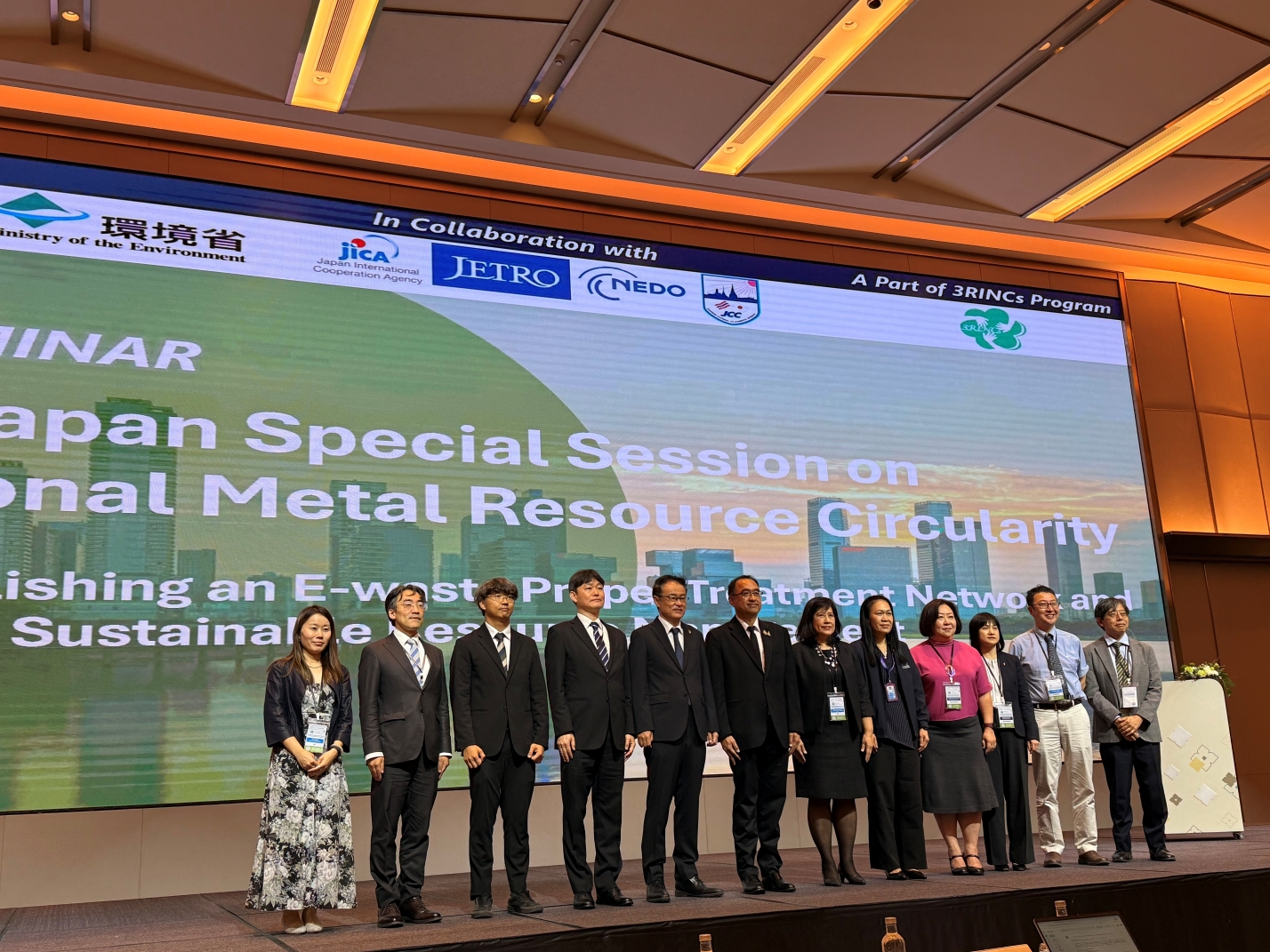
To better understand the present state of e-waste treatment in the region, ERIA conducted a study with a focus on four countries: Malaysia, the Philippines, Thailand, and Viet Nam. The findings were presented at the ASEAN–Japan Special Session: Towards Establishing an E-waste Proper Treatment Network and Contributing to Sustainable Resource Management. The session was held on 10 March 2026 in Bangkok as part of the 12th 3R International Scientific Conference on Material Cycles and Waste Management (3RINCs).
Mr Reo Kawamura, Director for Environmental Policy and the Regional Knowledge Centre for Marine Plastic Debris at ERIA, explained that annual e-waste generation across the four countries ranges from 250,000 tons to 753,000 tons, with Thailand generating the largest volume. The management of e-waste in these countries is governed under regulations concerning hazardous waste.
‘However, dedicated laws that recognise e-waste as valuable resources for recycling are still lacking,’ he noted.
Nevertheless, Viet Nam stands out as the only country that currently mandates producers and importers of electrical and electronic equipment to recycle end-of-life products under an Extended Producer Responsibility scheme.
Mr Kawamura further elaborated that although formal recycling activities with proper pollution control and hazardous substance management exist, most household-generated e-waste still enters a widespread informal recycling network. These are e-waste dismantlers or recyclers that operate without legal permission, mostly in their backyards using manual processes with little investment for hazardous substance management.
‘This makes open burning, acid baths, and rudimentary incineration common practices in informal e-waste recycling, adding to the environmental burden in surrounding areas,’ he added.
To address this, many ASEAN governments are looking into the concept of urban mining and resource recovery. In addition to being a strategic response to rising e-waste volumes, this concept is increasingly seen as a way to recover high-value materials from e-waste. Urban mining is gaining traction in Malaysia, the Philippines, and Viet Nam, while Thailand is considered as a pioneer for having institutionalised the concept since 2009. Nevertheless, industry interest in these countries is still moderate, mainly constrained by outdated recycling technologies and limited foreign direct investment.
‘In response, we have formulated a series of policy recommendations calling for the expansion of domestic recycling capacity and the integration of the informal sector into the formal recycling network,’ Mr Kawamura concluded.
Furthermore, clear and strong regulatory frameworks that incorporate targeted incentives could further advance the development of urban mining and resource recovery activities for e-waste treatment in ASEAN.

Research Associate


Bangkok, 10 March 2026: Proper collection and dismantling of electronic waste (e-waste) enable the extraction of critical minerals for reuse, making it an effective measure for sustainable resource management and environmental protection. Despite this, the growing volume of e-waste generated in ASEAN is still improperly disposed of, causing environmental harm due to the leakage of hazardous substances and the open burning of waste.
To better understand the present state of e-waste treatment in the region, ERIA conducted a study with a focus on four countries: Malaysia, the Philippines, Thailand, and Viet Nam. The findings were presented at the ASEAN–Japan Special Session: Towards Establishing an E-waste Proper Treatment Network and Contributing to Sustainable Resource Management. The session was held on 10 March 2026 in Bangkok as part of the 12th 3R International Scientific Conference on Material Cycles and Waste Management (3RINCs).
Mr Reo Kawamura, Director for Environmental Policy and the Regional Knowledge Centre for Marine Plastic Debris at ERIA, explained that annual e-waste generation across the four countries ranges from 250,000 tons to 753,000 tons, with Thailand generating the largest volume. The management of e-waste in these countries is governed under regulations concerning hazardous waste.
‘However, dedicated laws that recognise e-waste as valuable resources for recycling are still lacking,’ he noted.
Nevertheless, Viet Nam stands out as the only country that currently mandates producers and importers of electrical and electronic equipment to recycle end-of-life products under an Extended Producer Responsibility scheme.
Mr Kawamura further elaborated that although formal recycling activities with proper pollution control and hazardous substance management exist, most household-generated e-waste still enters a widespread informal recycling network. These are e-waste dismantlers or recyclers that operate without legal permission, mostly in their backyards using manual processes with little investment for hazardous substance management.
‘This makes open burning, acid baths, and rudimentary incineration common practices in informal e-waste recycling, adding to the environmental burden in surrounding areas,’ he added.
To address this, many ASEAN governments are looking into the concept of urban mining and resource recovery. In addition to being a strategic response to rising e-waste volumes, this concept is increasingly seen as a way to recover high-value materials from e-waste. Urban mining is gaining traction in Malaysia, the Philippines, and Viet Nam, while Thailand is considered as a pioneer for having institutionalised the concept since 2009. Nevertheless, industry interest in these countries is still moderate, mainly constrained by outdated recycling technologies and limited foreign direct investment.
‘In response, we have formulated a series of policy recommendations calling for the expansion of domestic recycling capacity and the integration of the informal sector into the formal recycling network,’ Mr Kawamura concluded.
Furthermore, clear and strong regulatory frameworks that incorporate targeted incentives could further advance the development of urban mining and resource recovery activities for e-waste treatment in ASEAN.
Research Associate