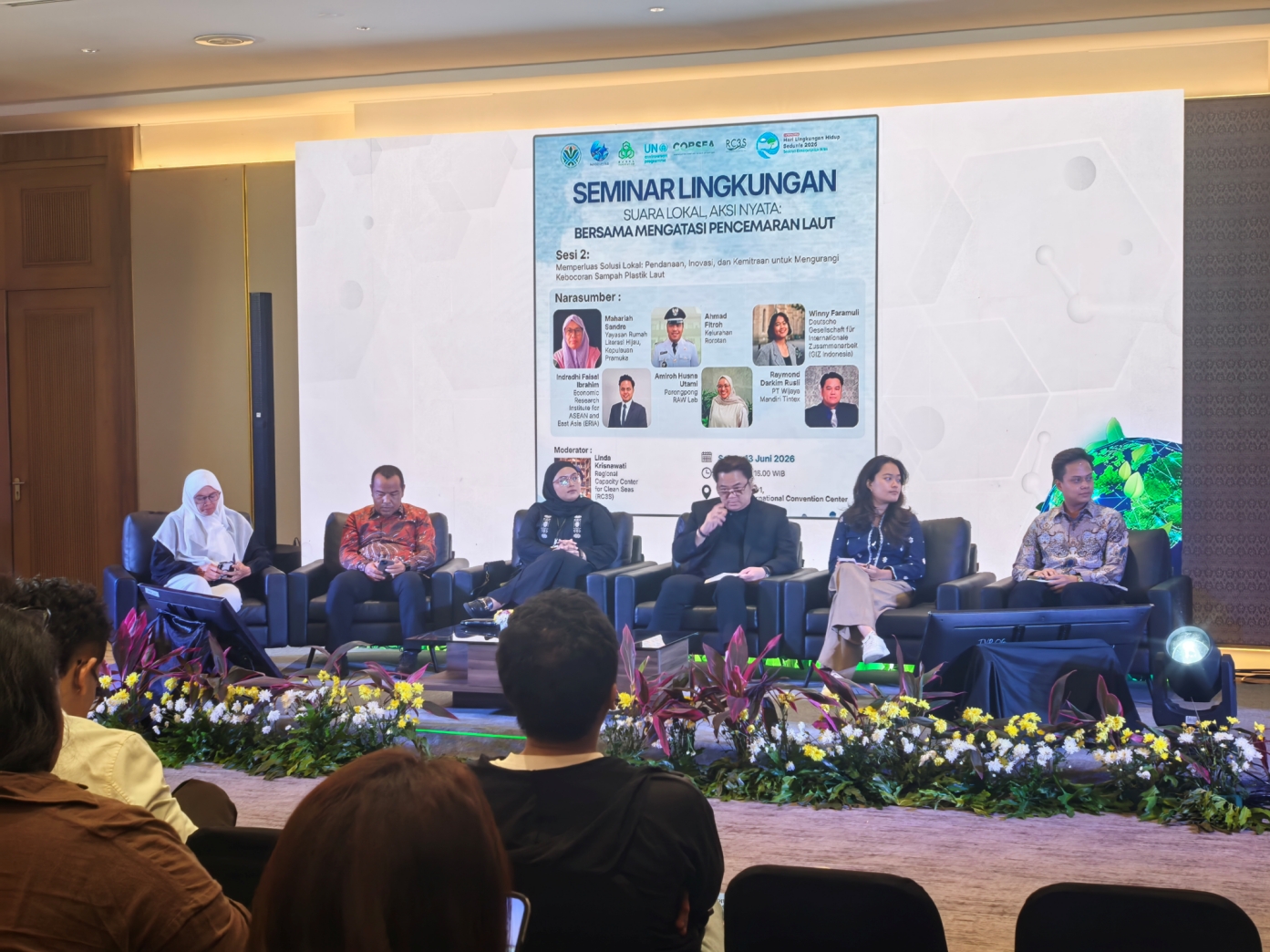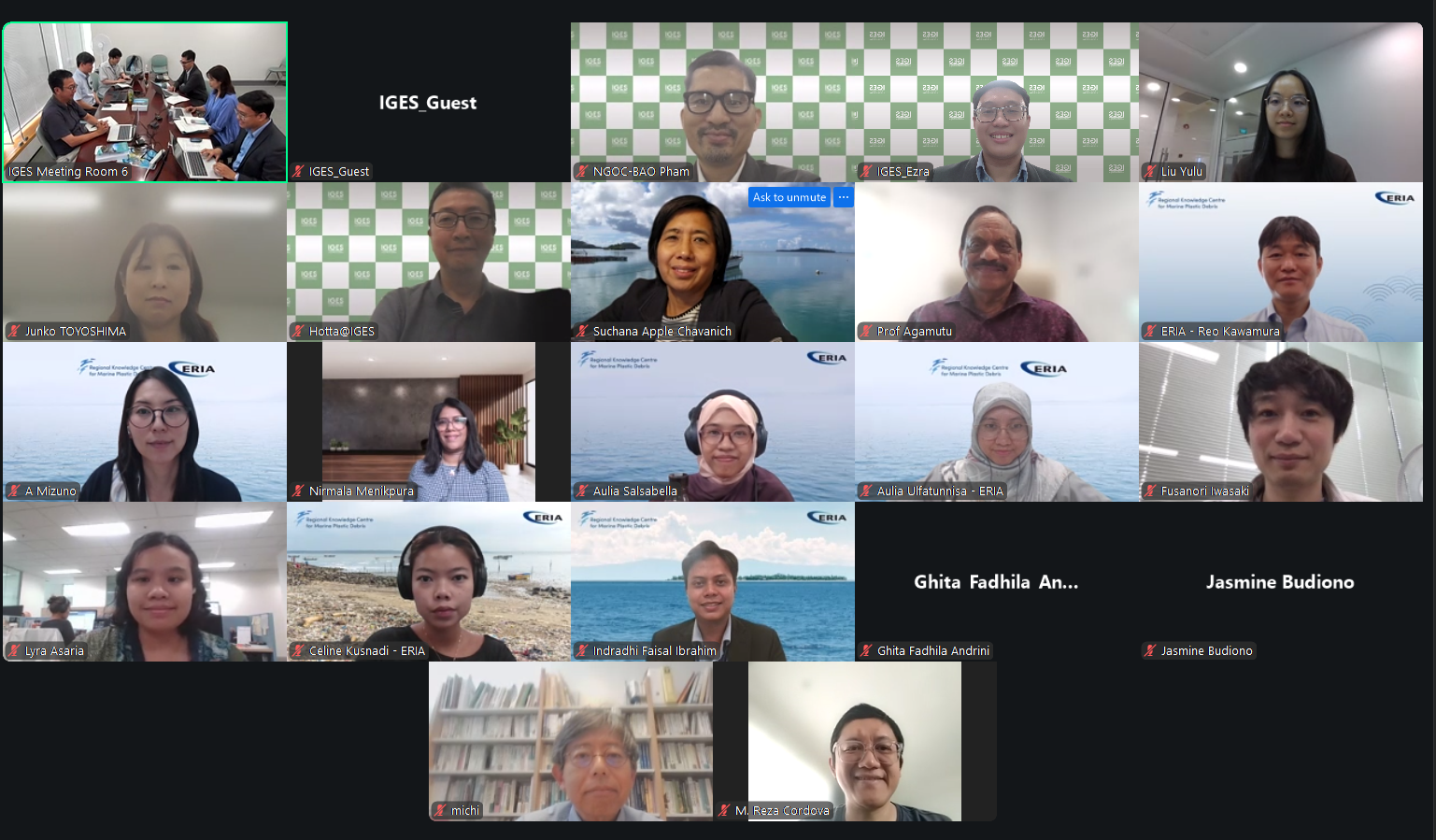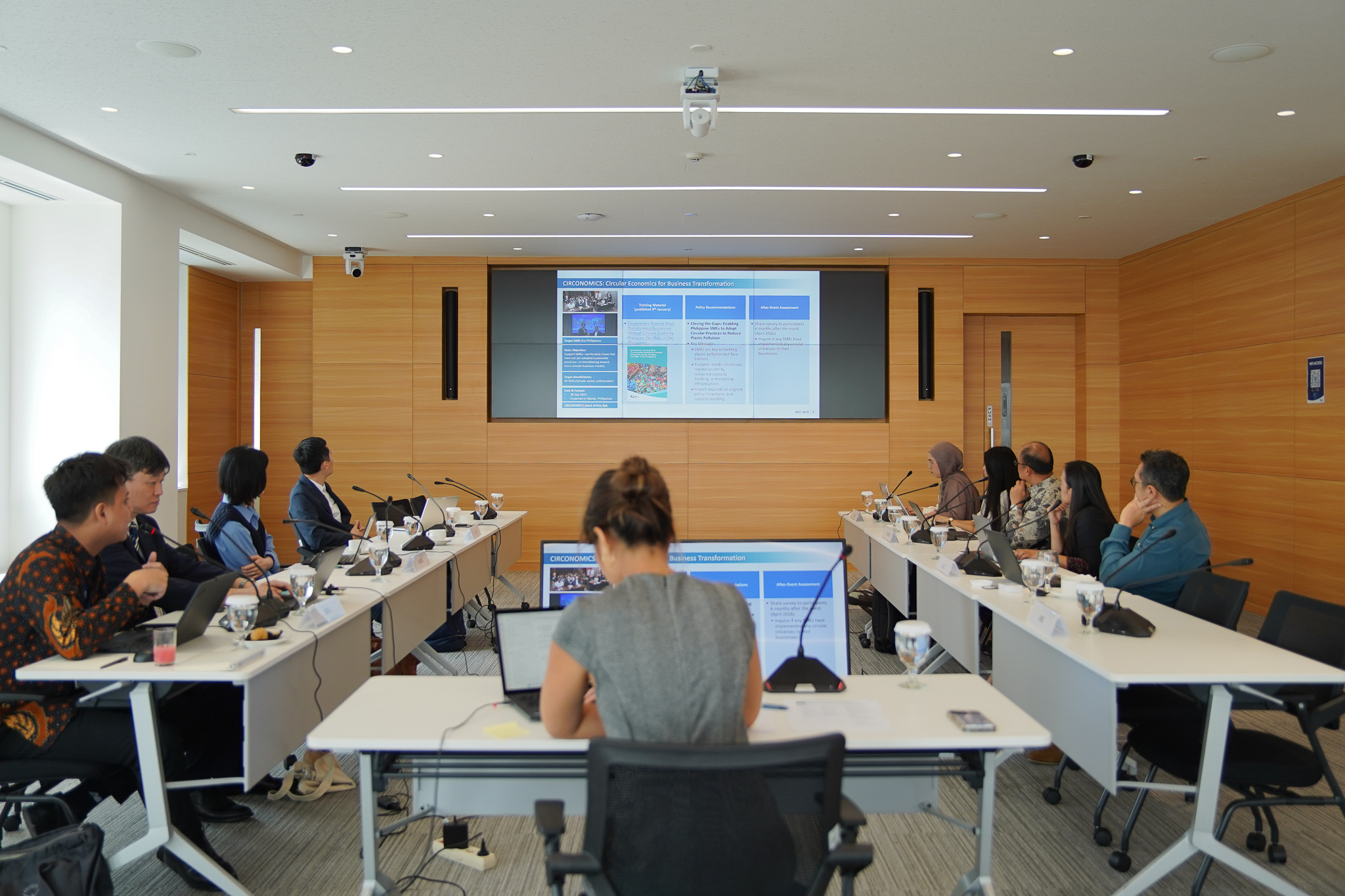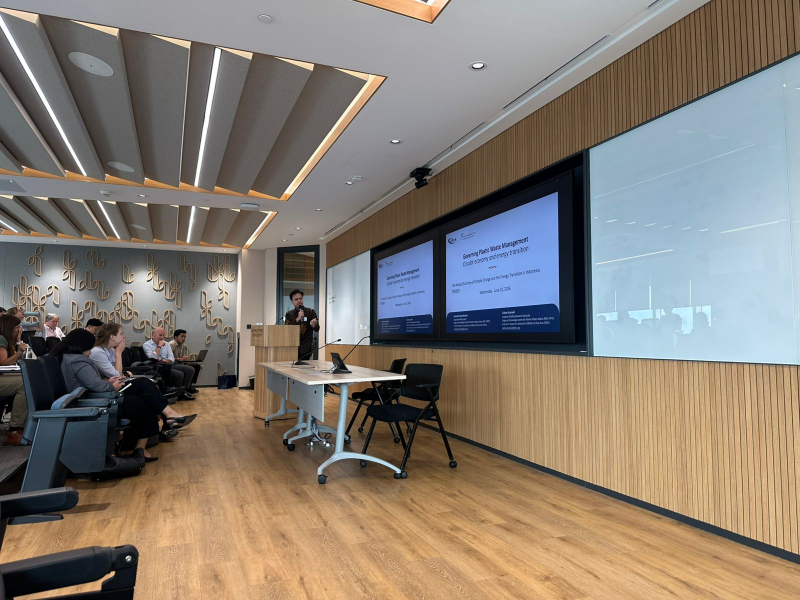




Jakarta, 7 April 2026: The Regional Knowledge Centre for Marine Plastic Debris (the Centre) convened a focus group discussion (FGD) at ERIA’s office in Jakarta as part of its Fiscal Year 2026 (FY2026) Capacity Needs Assessment. The session brought together senior representatives from regional and international organisations working on marine plastic debris management across ASEAN to provide insights into capacity-building needs.
The FGD reviewed progress from FY2025 initiatives, validated emerging priorities, and identified key gaps to inform future activities.
Discussions highlighted several persistent, cross-cutting challenges that continue to constrain effective implementation across ASEAN Member States:
Institutional Coordination: Fragmented mandates across ministries, as well as between national and local governments and across intra-ASEAN institutions, remain the most critical systemic barrier to implementation.
Data & Monitoring Harmonisation: Inconsistent methodologies hinder cross-country comparison. Establishing common minimum data standards was identified as a practical near-term priority.
Informal Sector Integration: Informal waste workers contribute significantly to recycling and collection yet remain largely excluded from policy frameworks and capacity support.
EPR in Practice: A growing number of ASEAN states have EPR frameworks in place, but operational rollout – especially for low-value plastics – lags significantly behind policy intent.
Local-Level Capacity: Municipalities bear the mandate for enforcement but are often under-resourced and overlooked by regional and national capacity-building programmes.
Global Plastics Treaty Readiness: ASEAN Member States need stronger technical grounding and coordination to participate effectively in INC processes and future treaty implementation.
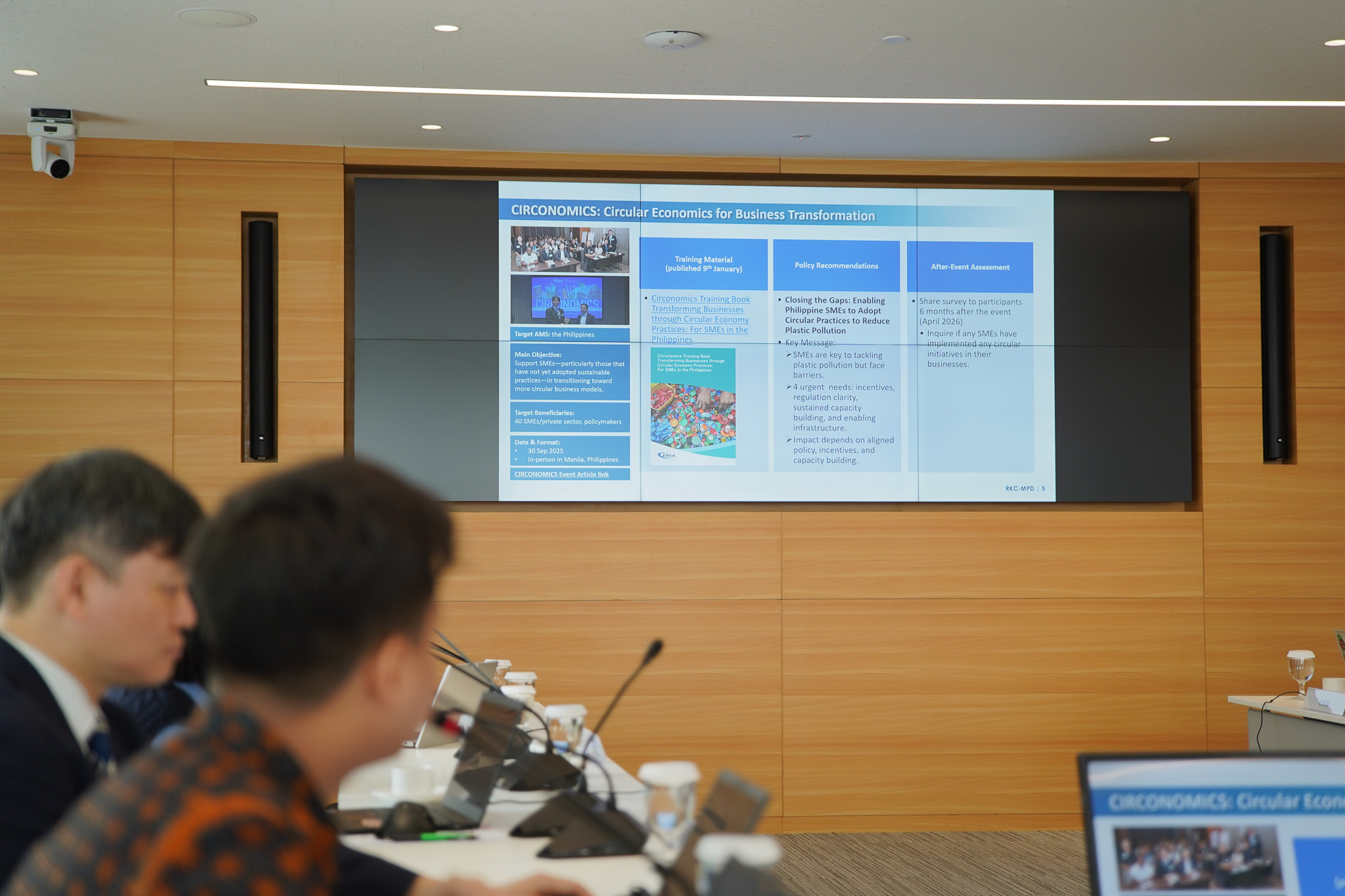
The discussion also identified key priorities and approaches for future capacity-building efforts. There was a general consensus that future initiatives should focus on implementation, targeting actors with direct mandates and enabling coordination across levels of governance.
Participants also underscored the importance of avoiding duplication. With many regional and international programmes operating across overlapping geographies and themes, there is real value in deliberate coordination and complementarity – building on existing platforms, materials, and partnerships rather than duplicating them.
The FGD concludes the consultation phase of the Centre’s Capacity Needs Assessment for FY2026. Findings from the session will directly inform the design of the Centre’s upcoming capacity-building programme, with activities planned at the regional, national, and local levels across ASEAN Member States. ERIA's Regional Knowledge Centre will continue to pursue close collaboration and exchange with key partners in the region.
To read more about the Centre’s capacity building programme or to explore partnership opportunities, please visit rkcmpd-eria.org.
Confidentiality Note: This discussion was conducted under the Chatham House Rule. Therefore, this article presents key themes and insights in a non-attributable manner. No comments are linked to specific individuals or organisations.

Research Associate for Capacity Building


Jakarta, 7 April 2026: The Regional Knowledge Centre for Marine Plastic Debris (the Centre) convened a focus group discussion (FGD) at ERIA’s office in Jakarta as part of its Fiscal Year 2026 (FY2026) Capacity Needs Assessment. The session brought together senior representatives from regional and international organisations working on marine plastic debris management across ASEAN to provide insights into capacity-building needs.
The FGD reviewed progress from FY2025 initiatives, validated emerging priorities, and identified key gaps to inform future activities.
Discussions highlighted several persistent, cross-cutting challenges that continue to constrain effective implementation across ASEAN Member States:
Institutional Coordination: Fragmented mandates across ministries, as well as between national and local governments and across intra-ASEAN institutions, remain the most critical systemic barrier to implementation.
Data & Monitoring Harmonisation: Inconsistent methodologies hinder cross-country comparison. Establishing common minimum data standards was identified as a practical near-term priority.
Informal Sector Integration: Informal waste workers contribute significantly to recycling and collection yet remain largely excluded from policy frameworks and capacity support.
EPR in Practice: A growing number of ASEAN states have EPR frameworks in place, but operational rollout – especially for low-value plastics – lags significantly behind policy intent.
Local-Level Capacity: Municipalities bear the mandate for enforcement but are often under-resourced and overlooked by regional and national capacity-building programmes.
Global Plastics Treaty Readiness: ASEAN Member States need stronger technical grounding and coordination to participate effectively in INC processes and future treaty implementation.
The discussion also identified key priorities and approaches for future capacity-building efforts. There was a general consensus that future initiatives should focus on implementation, targeting actors with direct mandates and enabling coordination across levels of governance.
Participants also underscored the importance of avoiding duplication. With many regional and international programmes operating across overlapping geographies and themes, there is real value in deliberate coordination and complementarity – building on existing platforms, materials, and partnerships rather than duplicating them.
The FGD concludes the consultation phase of the Centre’s Capacity Needs Assessment for FY2026. Findings from the session will directly inform the design of the Centre’s upcoming capacity-building programme, with activities planned at the regional, national, and local levels across ASEAN Member States. ERIA's Regional Knowledge Centre will continue to pursue close collaboration and exchange with key partners in the region.
To read more about the Centre’s capacity building programme or to explore partnership opportunities, please visit rkcmpd-eria.org.
Confidentiality Note: This discussion was conducted under the Chatham House Rule. Therefore, this article presents key themes and insights in a non-attributable manner. No comments are linked to specific individuals or organisations.
Research Associate for Capacity Building