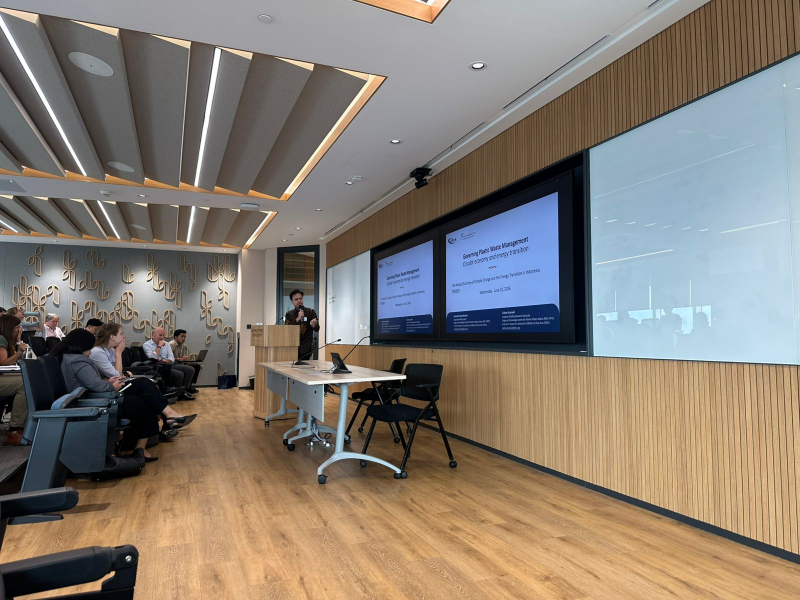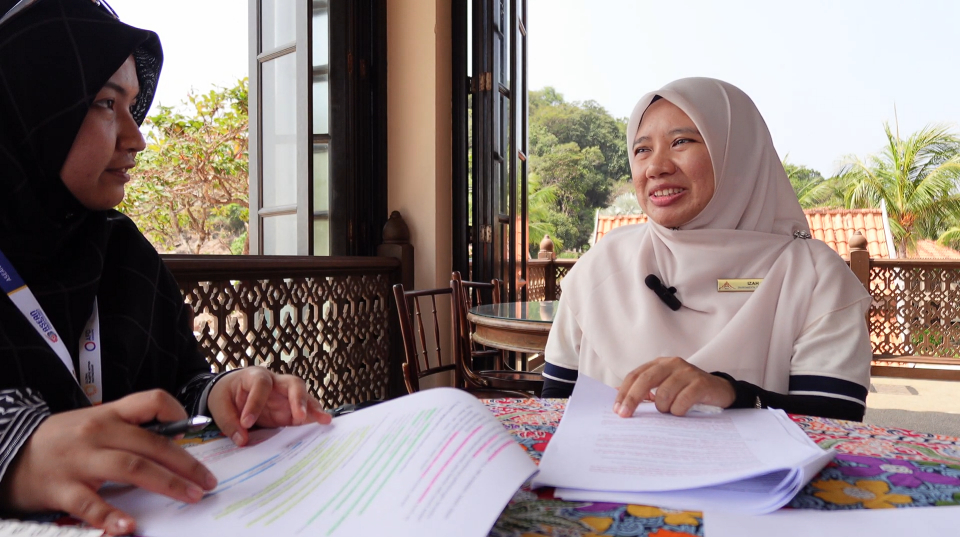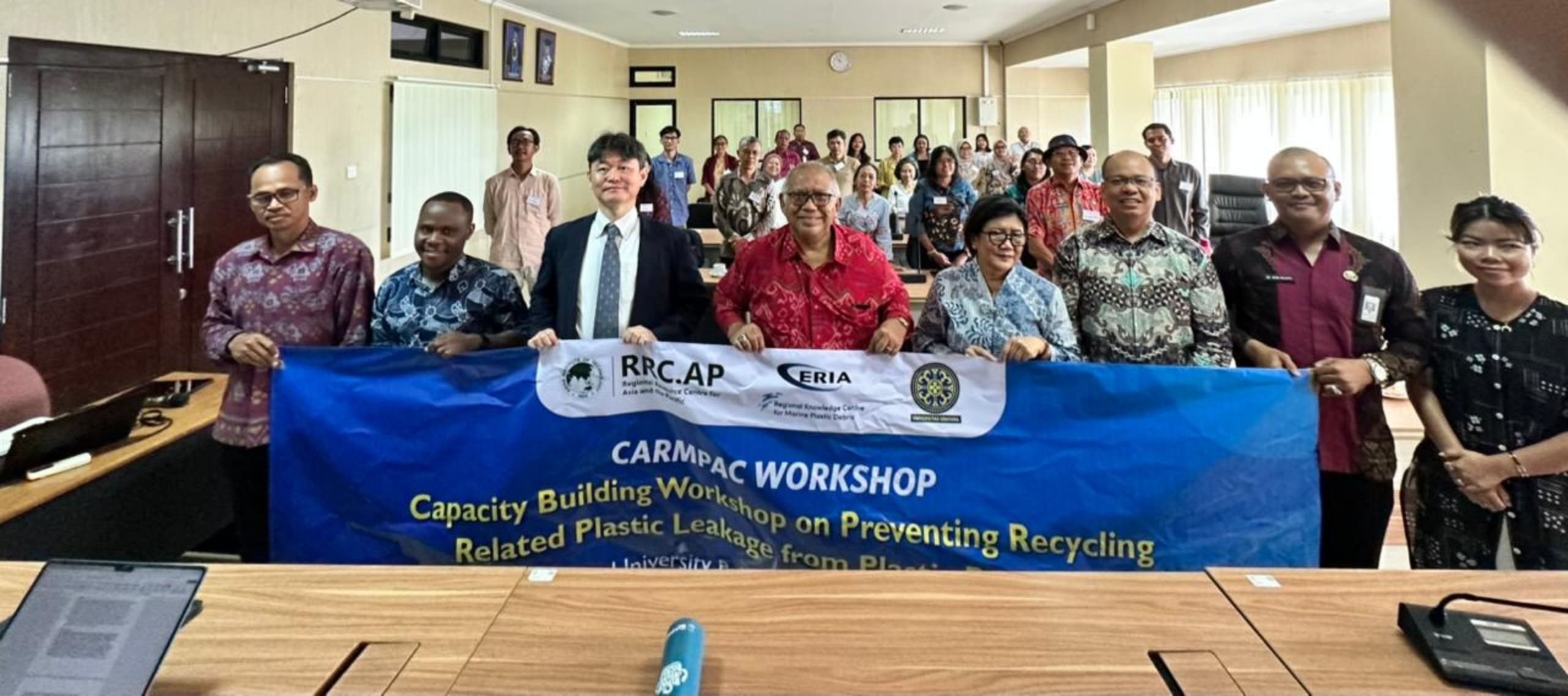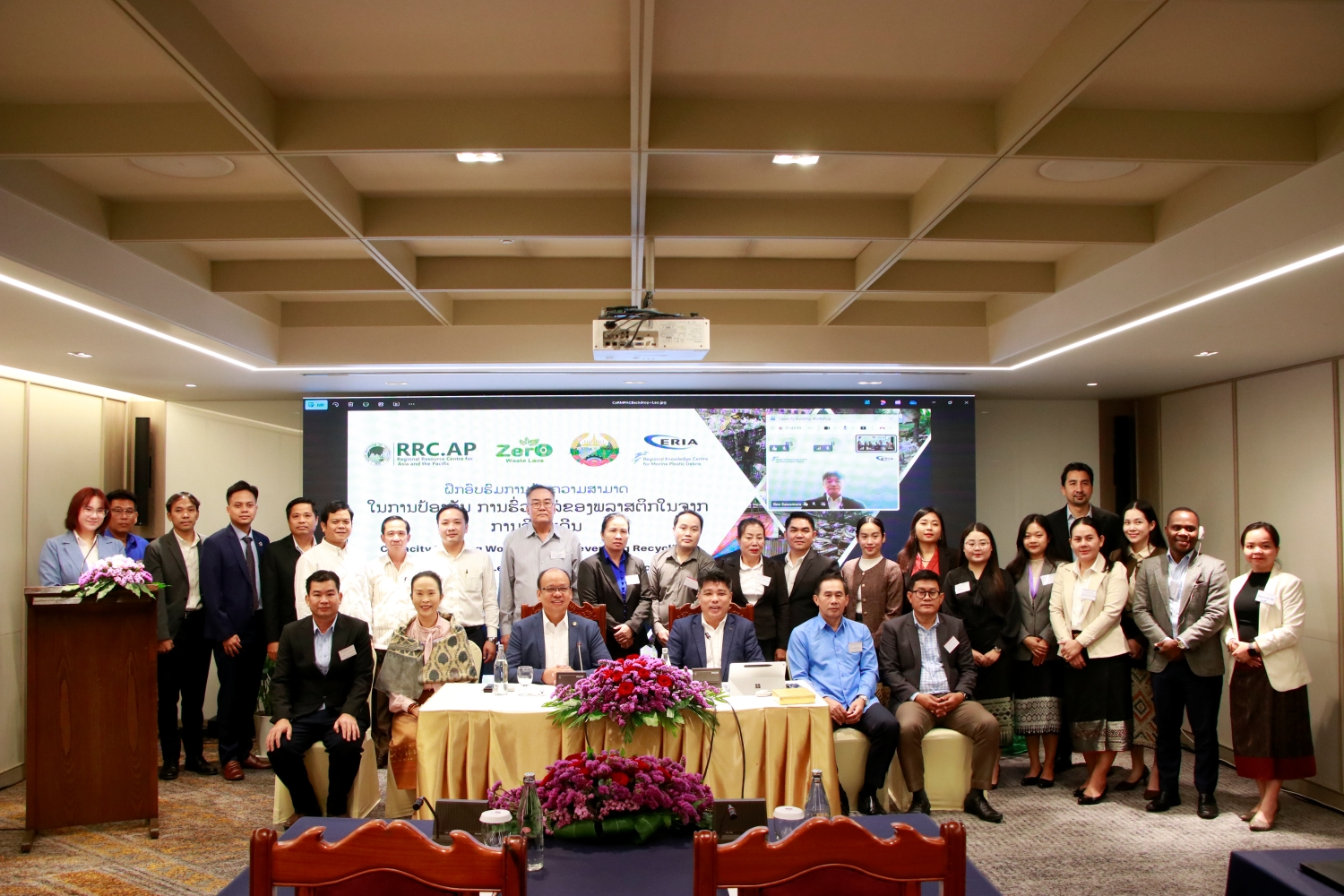




Bali, 22 April 2026 – Against the backdrop of one of Indonesia's most plastic-pressured islands, the Capacity Building Programme for Reducing Recycling-Related Marine Plastic Pollution in ASEAN Cities (CaRMPAC) Workshop was held in Bali on 21–22 April 2026.
The event brought together over 30 participants from provincial and regional environmental agencies, universities, NGOs, and the private sector, all working at the intersection of waste management and plastic pollution in Bali.
The 2-day workshop was supported by ERIA’s Regional Knowledge Centre for Marine Plastic Debris (the Centre) and co-organised and hosted by Indonesia’s Ministry of Higher Education, Science, and Technology; the Institute for Research and Community Service; the Centre of Excellence in Tourism of Udayana University; and the Regional Resource Centre for Asia and the Pacific at the Asian Institute of Technology (AIT RRC.AP).
The workshop took place at a critical juncture. Bali, a globally recognised tourism destination, faces mounting pressure from a long-standing waste crisis with landfills operating beyond capacity, waste spilling into public spaces, and marine debris washing ashore from across the archipelago.
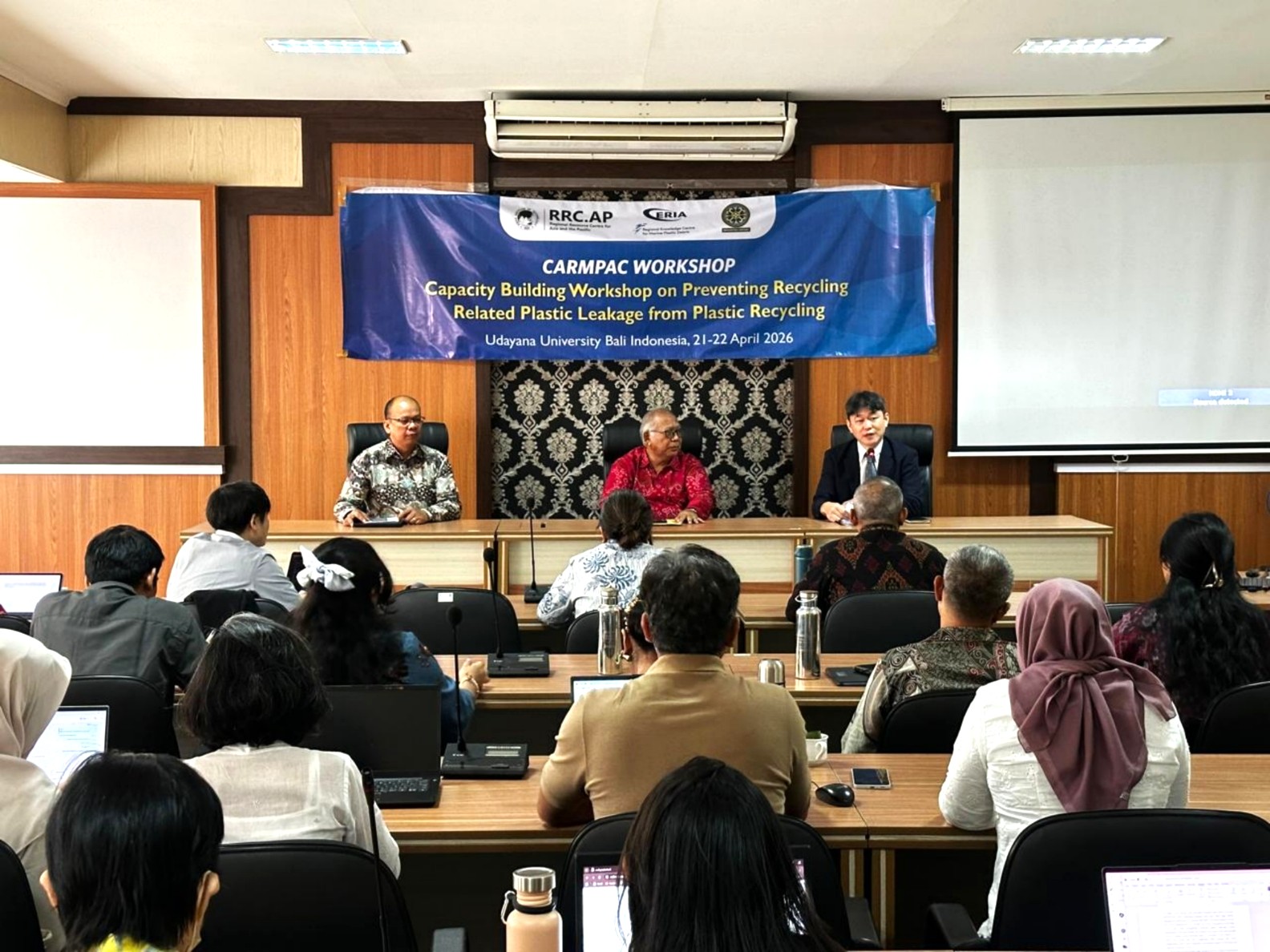
Mr I Made Dwi Arbani, Head of the Bali Government Office of Forestry and Environment, set the tone with a frank assessment of the province's waste landscape. Around 60% of Bali’s waste is organic, while plastic's share has grown from 16% to 20% in 2025 despite the provincial government’s Gerakan Bali Bersih Sampah (Clean Bali Movement).
For Mr Arbani, the path forward starts with one non-negotiable foundation: sorting. He called for a phased approach from two-stream to three- and four-stream waste segregation across households, restaurants, and village collection systems, supported by a 2026 roadmap targeting stricter enforcement and a full transition away from open dumping by 2029.
Ms Ni Nyoman Santi, Head of the Centre for Environment Control for Bali and Nusa Tenggara, reinforced this perspective, highlighting the national policy shift away from linear waste models and the imperative to close all open dumping sites across Indonesia.
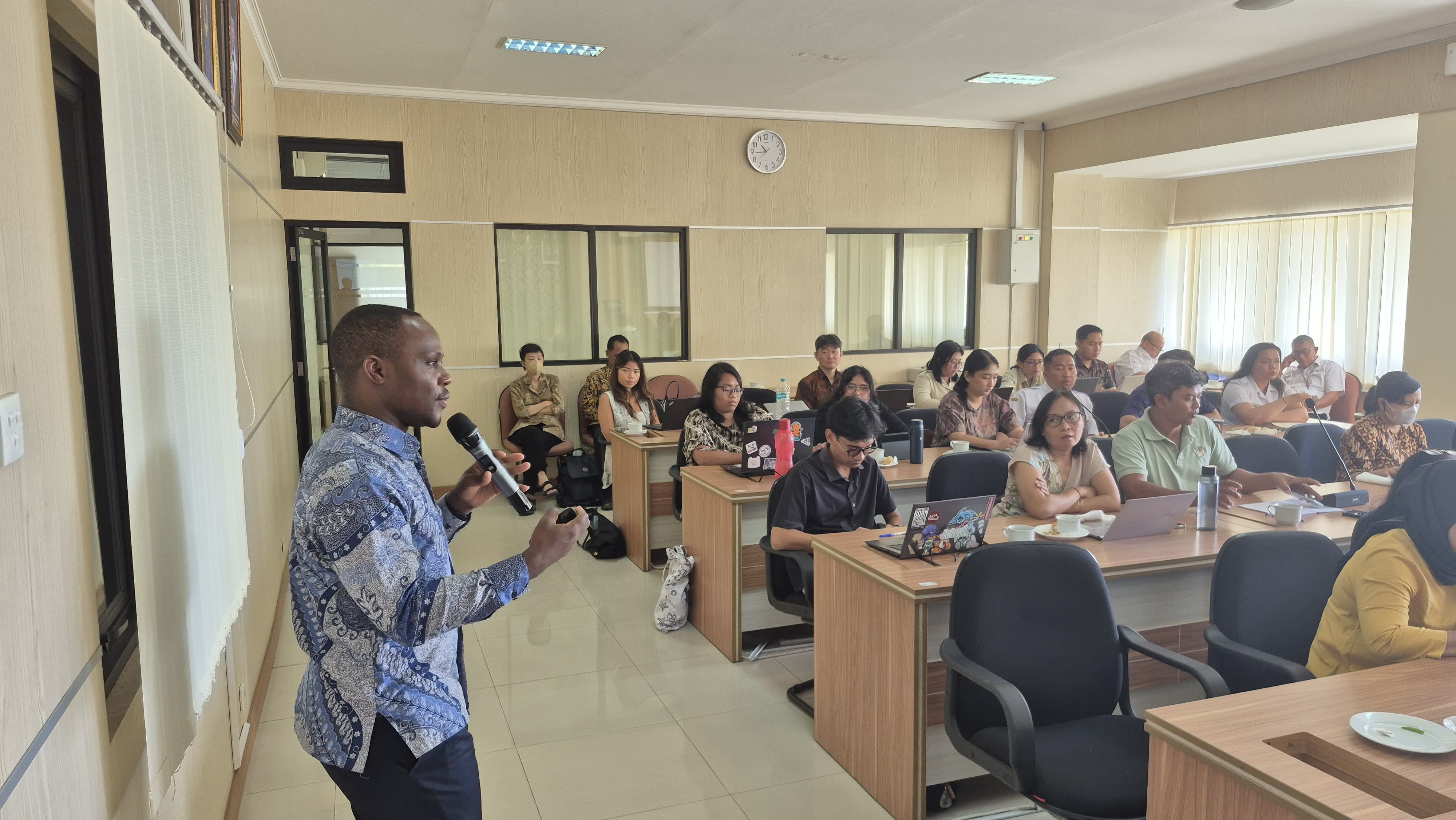
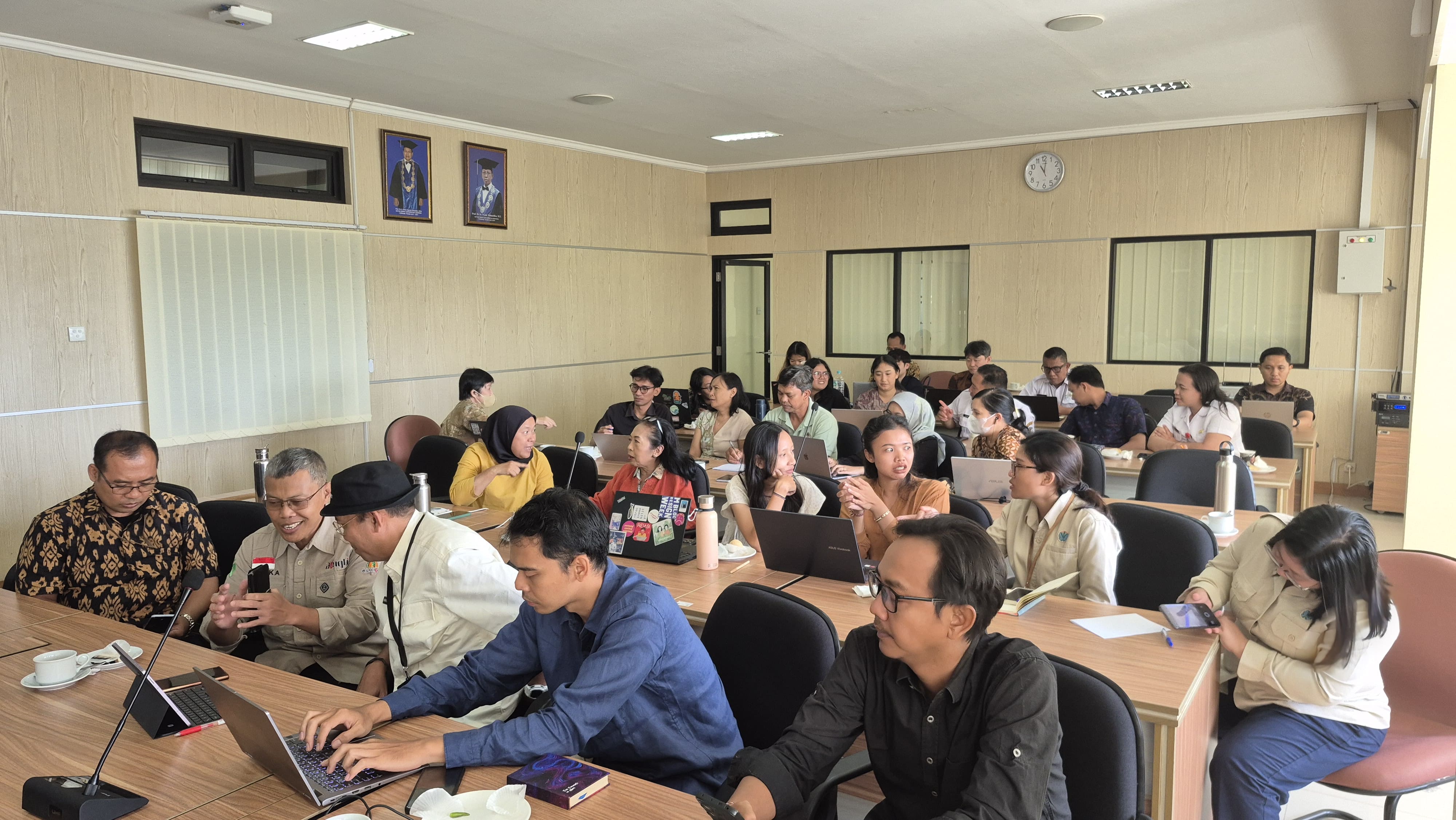
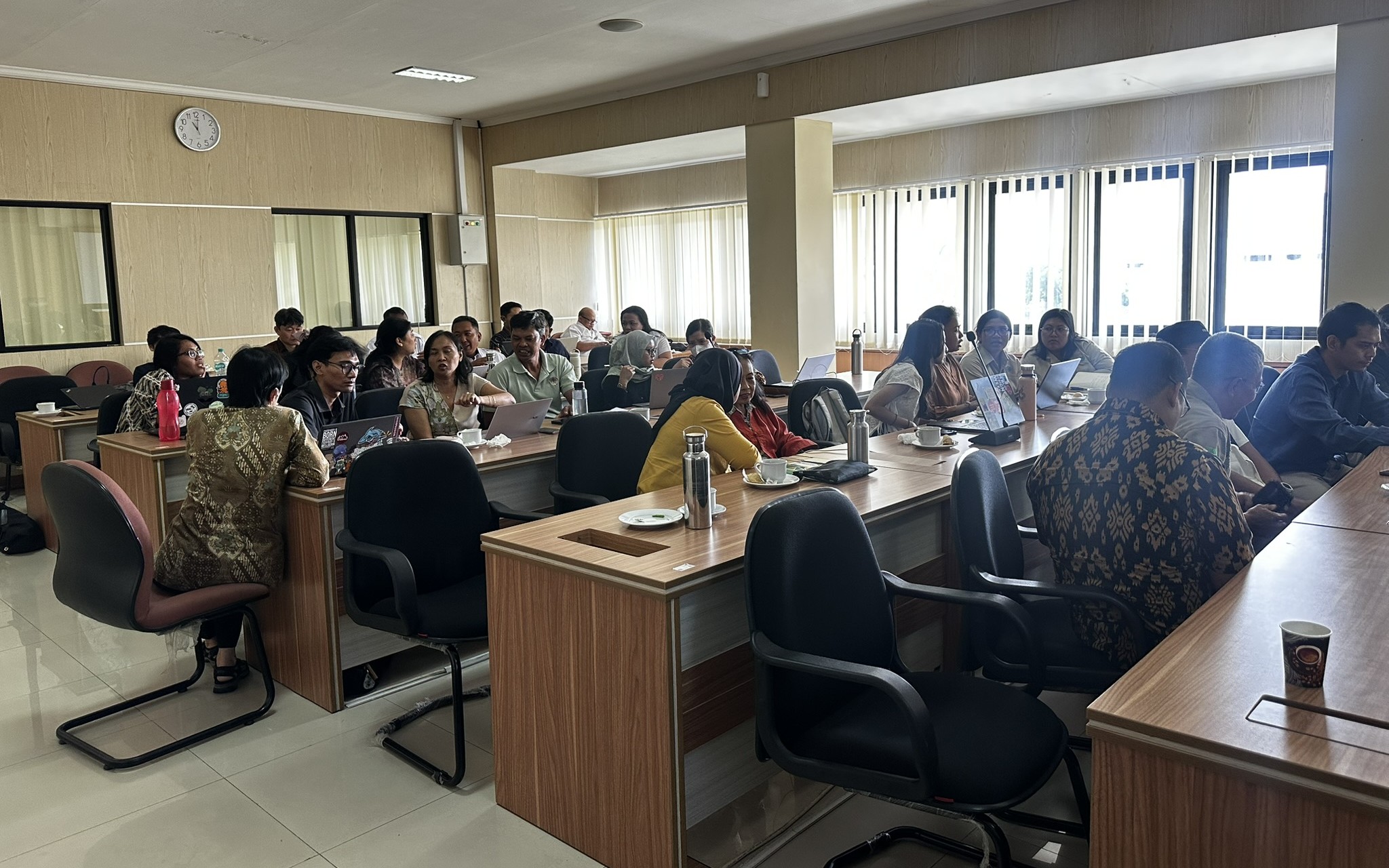
A recurring theme across sessions was the cost of building management systems in the absence of physical infrastructure. Sorted waste, without a functioning market or offtaker, invariably returns to the landfill. In some cases, budget is allocated but cannot be spent, as the necessary processing facilities are not yet in place. The consensus was clear: infrastructure must come first.
The workshop also spotlighted Tanjung Benoa, where a community has achieved 100% waste sorting, earning recognition as the top TPS3R (Reduce, Reuse, Recycle Integrated Waste Management Facility) in Indonesia by the Ministry of Home Affairs in 2024.
This model, participants noted, is ready to be replicated. What remains is the political will and local ownership to do so.
Attention then turned to the human side of the challenge. A case study from Delterra’s work in Kekeran Village, where household waste sorting participation rose from 6% to 70%, prompted considerable discussion. Participants highlighted several measures driving this success:
Confirming genuine community willingness
Enforcing a clear ‘no sorting, no collection’ policy
Sustaining intensive monitoring beyond the initial intervention period
Equally important is identifying the right change agents. Placing trust in the wrong local figure, whether a formal authority without community influence, or a leader resistant to new ideas, can doom an intervention from the start.
Experience from Nusa Penida was cited as instructive: the most effective mobiliser held no formal government position but was widely respected and trusted by residents. Participants agreed that getting this stakeholder mapping right requires effort, but far less than recovering from a failed approach.
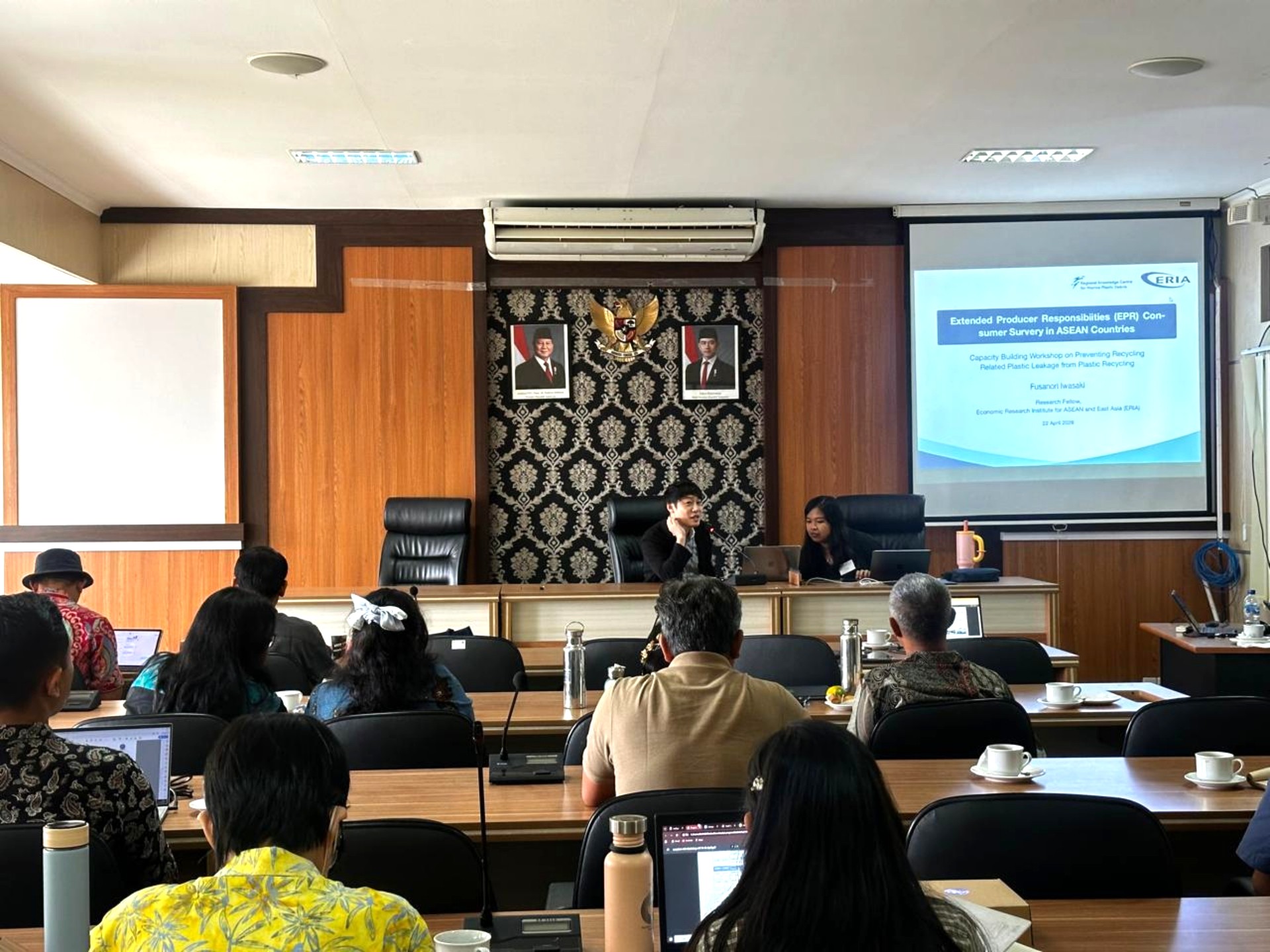
A presentation by Mr Fusanori Iwasaki, Research Fellow at ERIA, marked the first public release of findings from a landmark multi-country EPR consumer survey conducted in late 2025 across Indonesia, the Philippines, Viet Nam, Malaysia, and Thailand.
Using a conjoint experiment with 2,100 respondents per country, the study asked participants to evaluate hypothetical EPR policy packages across five dimensions: policy instrument, household cost, enforcement, fund allocation, and fund management.
The Indonesia findings were particularly revealing. Respondents favoured mandatory recycled content over price-based instruments, while deposit-refund systems faced resistance due to perceived consumer burden. The country also stood out for its preference for industry-led fund management (via Producer Responsibility Organisations) and scepticism toward government oversight.
Across all countries, support declined as household costs increased. Respondents consistently prioritised upstream interventions, such as recycling infrastructure and recycled plastic use, over downstream measures, signalling a preference to address the problem at its source.
Participants ended the day with a shared recognition that behavioural change alone is insufficient without systemic reform. This includes:
Aligned governance across village, city, and provincial levels
Clear cross-sectoral roles
Infrastructure scaled to community needs
Genuine and consistent enforcement
The CaRMPAC programme will continue building on these foundations, strengthening the capacity of local actors to prevent plastic leakage before it reaches Bali's rivers, coastlines, and seas.
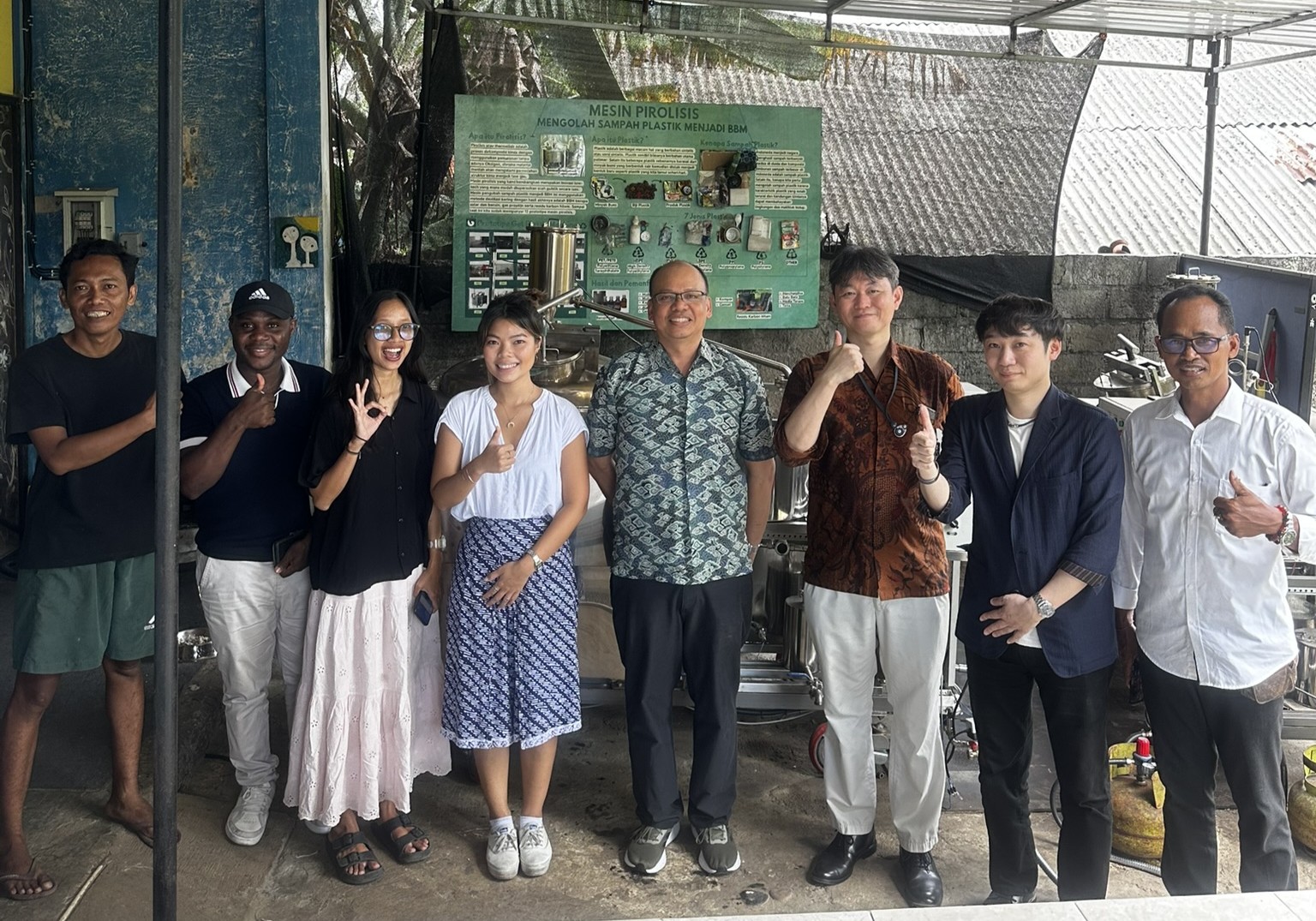
Complementing the workshop, the CaRMPAC team visited Get Plastic Indonesia, a Bali-based social enterprise converting plastic waste into fuel. Founded in Jakarta in 2014 and operating in Bali since 2018, the site functions both as an operational facility and a production centre for plastic liquefaction units for partner communities, with 49 units deployed across 45 communities nationwide.
Using pyrolysis, plastic is heated to about 300°C and converted into certified diesel and petrol. While polypropylene converts efficiently, materials such as PET and polystyrene remain challenging. On average, 20 kg of plastic yields around 20 litres of fuel per batch over 5–7 hours.
The visit also highlighted operational constraints. Residual black carbon is being explored for reuse, while ongoing R&D focuses on emissions and process optimisation, though technical capacity remains limited. Regulatory scrutiny, particularly on emissions and pricing rules, pose significant barriers to scaling. As a result, the model remains intentionally community-based, with each site determining its own scale and maintenance.
Overall, the visit underscored both the promise of decentralised plastic-to-fuel solutions and the policy and market challenges that continue to shape their viability.
The Capacity Building Programme for Reducing Recycling-Related Marine Plastic Pollution (CaRMPAC) is implemented by AIT RRC.AP with support from ERIA’s Regional Knowledge Centre for Marine Plastic Debris. Bali is one of the 12 target cities in ASEAN under the CaRMPAC project.

Research Associate for Capacity Building


Bali, 22 April 2026 – Against the backdrop of one of Indonesia's most plastic-pressured islands, the Capacity Building Programme for Reducing Recycling-Related Marine Plastic Pollution in ASEAN Cities (CaRMPAC) Workshop was held in Bali on 21–22 April 2026.
The event brought together over 30 participants from provincial and regional environmental agencies, universities, NGOs, and the private sector, all working at the intersection of waste management and plastic pollution in Bali.
The 2-day workshop was supported by ERIA’s Regional Knowledge Centre for Marine Plastic Debris (the Centre) and co-organised and hosted by Indonesia’s Ministry of Higher Education, Science, and Technology; the Institute for Research and Community Service; the Centre of Excellence in Tourism of Udayana University; and the Regional Resource Centre for Asia and the Pacific at the Asian Institute of Technology (AIT RRC.AP).
The workshop took place at a critical juncture. Bali, a globally recognised tourism destination, faces mounting pressure from a long-standing waste crisis with landfills operating beyond capacity, waste spilling into public spaces, and marine debris washing ashore from across the archipelago.
Mr I Made Dwi Arbani, Head of the Bali Government Office of Forestry and Environment, set the tone with a frank assessment of the province's waste landscape. Around 60% of Bali’s waste is organic, while plastic's share has grown from 16% to 20% in 2025 despite the provincial government’s Gerakan Bali Bersih Sampah (Clean Bali Movement).
For Mr Arbani, the path forward starts with one non-negotiable foundation: sorting. He called for a phased approach from two-stream to three- and four-stream waste segregation across households, restaurants, and village collection systems, supported by a 2026 roadmap targeting stricter enforcement and a full transition away from open dumping by 2029.
Ms Ni Nyoman Santi, Head of the Centre for Environment Control for Bali and Nusa Tenggara, reinforced this perspective, highlighting the national policy shift away from linear waste models and the imperative to close all open dumping sites across Indonesia.
A recurring theme across sessions was the cost of building management systems in the absence of physical infrastructure. Sorted waste, without a functioning market or offtaker, invariably returns to the landfill. In some cases, budget is allocated but cannot be spent, as the necessary processing facilities are not yet in place. The consensus was clear: infrastructure must come first.
The workshop also spotlighted Tanjung Benoa, where a community has achieved 100% waste sorting, earning recognition as the top TPS3R (Reduce, Reuse, Recycle Integrated Waste Management Facility) in Indonesia by the Ministry of Home Affairs in 2024.
This model, participants noted, is ready to be replicated. What remains is the political will and local ownership to do so.
Attention then turned to the human side of the challenge. A case study from Delterra’s work in Kekeran Village, where household waste sorting participation rose from 6% to 70%, prompted considerable discussion. Participants highlighted several measures driving this success:
Confirming genuine community willingness
Enforcing a clear ‘no sorting, no collection’ policy
Sustaining intensive monitoring beyond the initial intervention period
Equally important is identifying the right change agents. Placing trust in the wrong local figure, whether a formal authority without community influence, or a leader resistant to new ideas, can doom an intervention from the start.
Experience from Nusa Penida was cited as instructive: the most effective mobiliser held no formal government position but was widely respected and trusted by residents. Participants agreed that getting this stakeholder mapping right requires effort, but far less than recovering from a failed approach.
A presentation by Mr Fusanori Iwasaki, Research Fellow at ERIA, marked the first public release of findings from a landmark multi-country EPR consumer survey conducted in late 2025 across Indonesia, the Philippines, Viet Nam, Malaysia, and Thailand.
Using a conjoint experiment with 2,100 respondents per country, the study asked participants to evaluate hypothetical EPR policy packages across five dimensions: policy instrument, household cost, enforcement, fund allocation, and fund management.
The Indonesia findings were particularly revealing. Respondents favoured mandatory recycled content over price-based instruments, while deposit-refund systems faced resistance due to perceived consumer burden. The country also stood out for its preference for industry-led fund management (via Producer Responsibility Organisations) and scepticism toward government oversight.
Across all countries, support declined as household costs increased. Respondents consistently prioritised upstream interventions, such as recycling infrastructure and recycled plastic use, over downstream measures, signalling a preference to address the problem at its source.
Participants ended the day with a shared recognition that behavioural change alone is insufficient without systemic reform. This includes:
Aligned governance across village, city, and provincial levels
Clear cross-sectoral roles
Infrastructure scaled to community needs
Genuine and consistent enforcement
The CaRMPAC programme will continue building on these foundations, strengthening the capacity of local actors to prevent plastic leakage before it reaches Bali's rivers, coastlines, and seas.
Complementing the workshop, the CaRMPAC team visited Get Plastic Indonesia, a Bali-based social enterprise converting plastic waste into fuel. Founded in Jakarta in 2014 and operating in Bali since 2018, the site functions both as an operational facility and a production centre for plastic liquefaction units for partner communities, with 49 units deployed across 45 communities nationwide.
Using pyrolysis, plastic is heated to about 300°C and converted into certified diesel and petrol. While polypropylene converts efficiently, materials such as PET and polystyrene remain challenging. On average, 20 kg of plastic yields around 20 litres of fuel per batch over 5–7 hours.
The visit also highlighted operational constraints. Residual black carbon is being explored for reuse, while ongoing R&D focuses on emissions and process optimisation, though technical capacity remains limited. Regulatory scrutiny, particularly on emissions and pricing rules, pose significant barriers to scaling. As a result, the model remains intentionally community-based, with each site determining its own scale and maintenance.
Overall, the visit underscored both the promise of decentralised plastic-to-fuel solutions and the policy and market challenges that continue to shape their viability.
The Capacity Building Programme for Reducing Recycling-Related Marine Plastic Pollution (CaRMPAC) is implemented by AIT RRC.AP with support from ERIA’s Regional Knowledge Centre for Marine Plastic Debris. Bali is one of the 12 target cities in ASEAN under the CaRMPAC project.
Research Associate for Capacity Building