



Bandung, 24 April 2026: As Indonesia’s most populous province, West Java generates one of the country’s largest volumes of solid waste. Against this backdrop, the Capacity Building Programme for Reducing Recycling-Related Marine Plastic Pollution in ASEAN Cities (CaRMPAC) Workshop was held in Bandung (West Java’s capital city) on 23–24 April 2026 to share best practices and technical guidelines to support interventions that prevent plastic leakage from recycling activities.
The 2-day workshop was supported by ERIA’s Regional Knowledge Centre for Marine Plastic Debris (the Centre) and co-organised and hosted by the West Java Provincial Environmental Office, together with the Regional Resource Centre for Asia and the Pacific at the Asian Institute of Technology (AIT RRC.AP).
The event convened a wide cross-section of environmental authorities, waste bank operators, academic institutions, and civil society organisations. All of them were united by a common urgency: keeping plastic out of West Java's waterways and the sea.
Out of the 29.7 tons of waste produced daily, 17% is plastic and much of that waste originates from household sources. Given this considerable challenge, the workshop was designed to move stakeholders beyond awareness and toward concrete, local action.
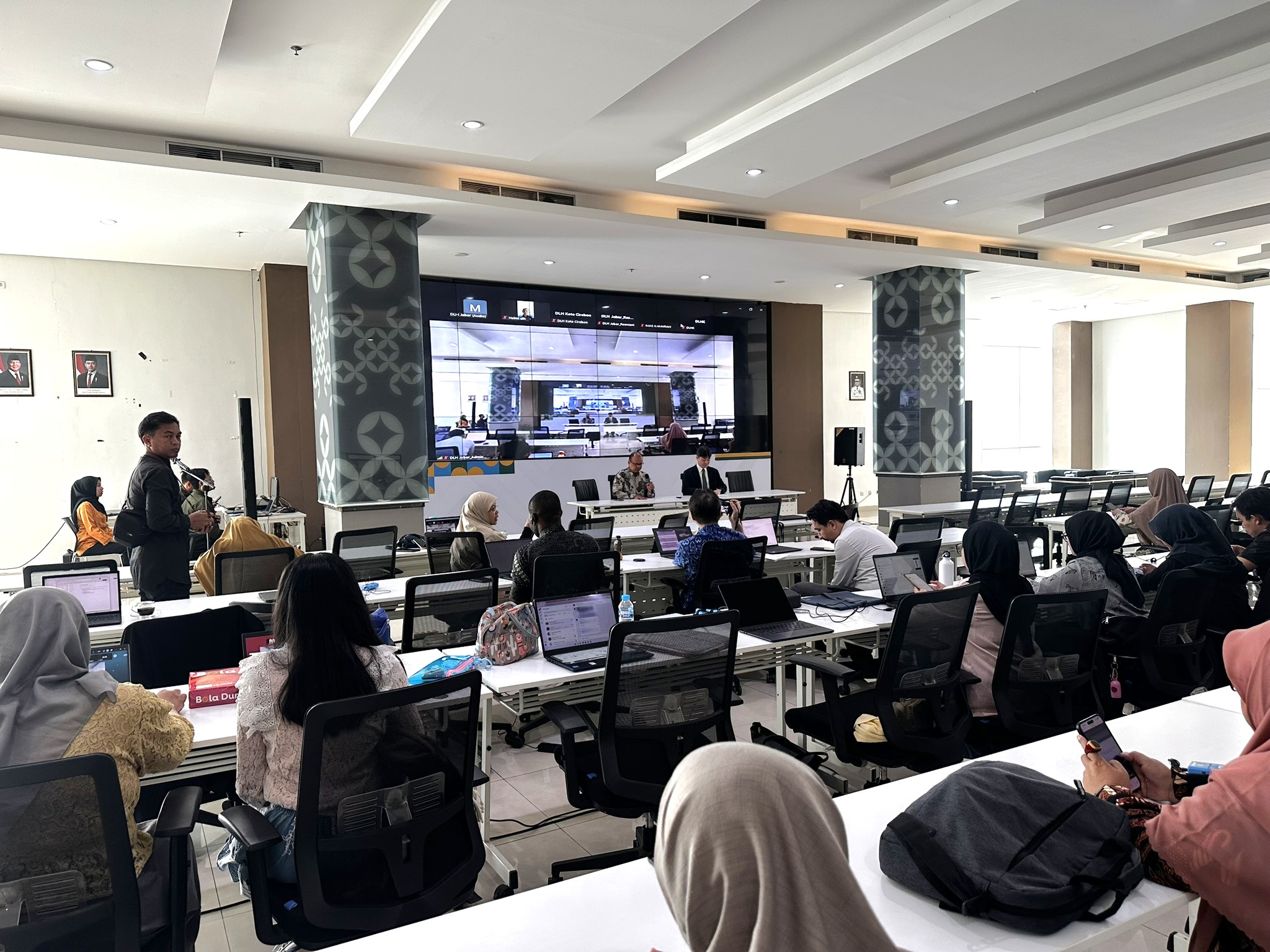
The workshop opened with welcoming remarks from the Secretary of the West Java Provincial Environmental, Dr Helmi Gunawan, who outlined the province’s management challenges and emphasised the importance of collective action.
Dr Guilberto Borongan, Director of AIT RRC.AP, and Mr Reo Kawamura, Director of the Regional Knowledge Centre for Marine Plastic Debris of ERIA, also delivered remarks, signalling the broad coalition behind the CaRMPAC initiative and reinforcing a shared message: while regulation in Indonesia has advanced, implementation remains the frontier.
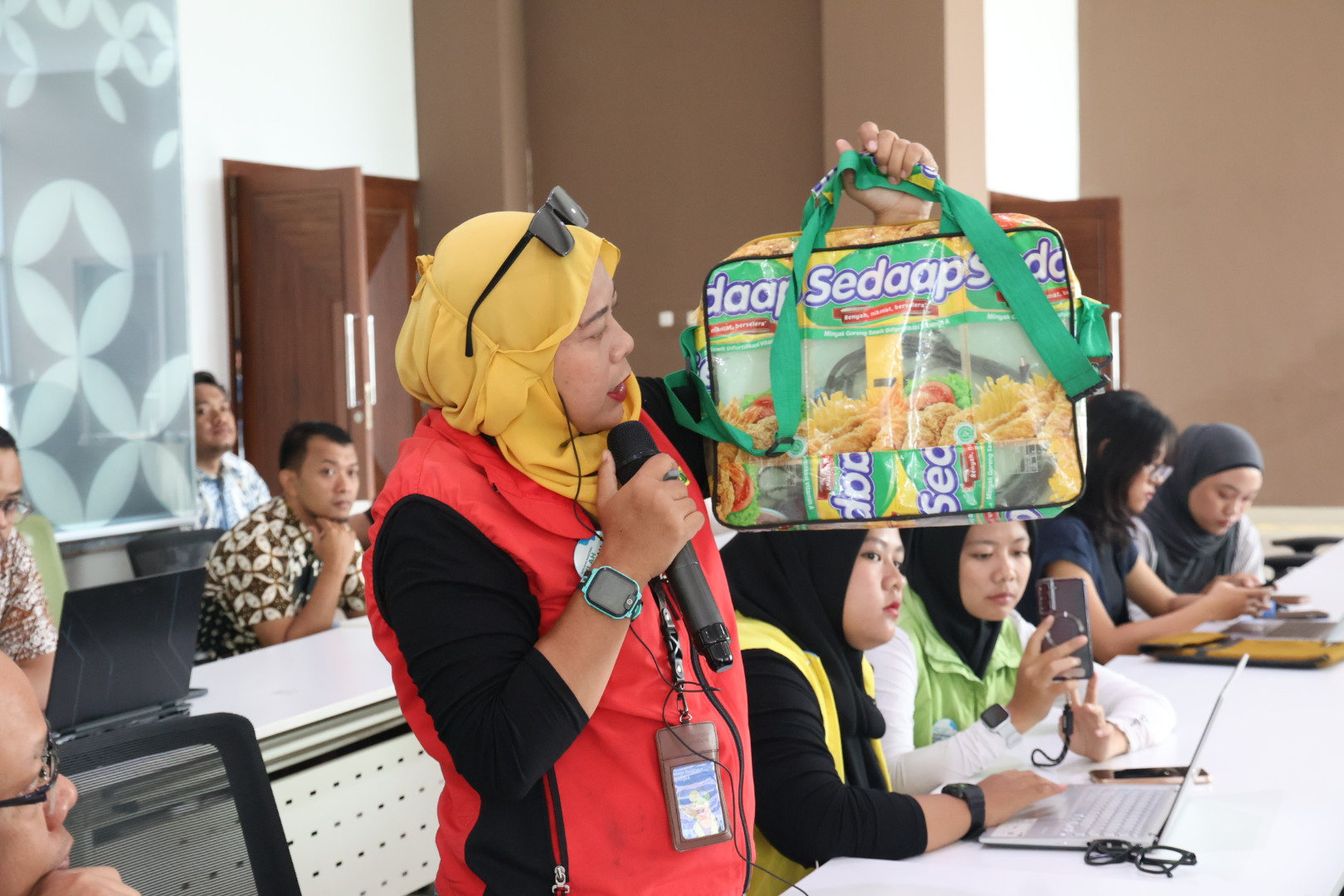
Participants quickly identified a persistent structural failure: recycling-related leakage. Many expressed surprise that recycling processes themselves – sorting, washing, transport, and processing – can be a source of plastic leakage into the environment, making this blind spot a key focus of the workshop.
Discussions also highlighted challenges familiar from the CaRMPAC Workshop in Bali, where waste sorting is the critical upstream bottleneck; behaviour change demands sustained, village-by-village effort; and infrastructure must precede management systems, not follow them.
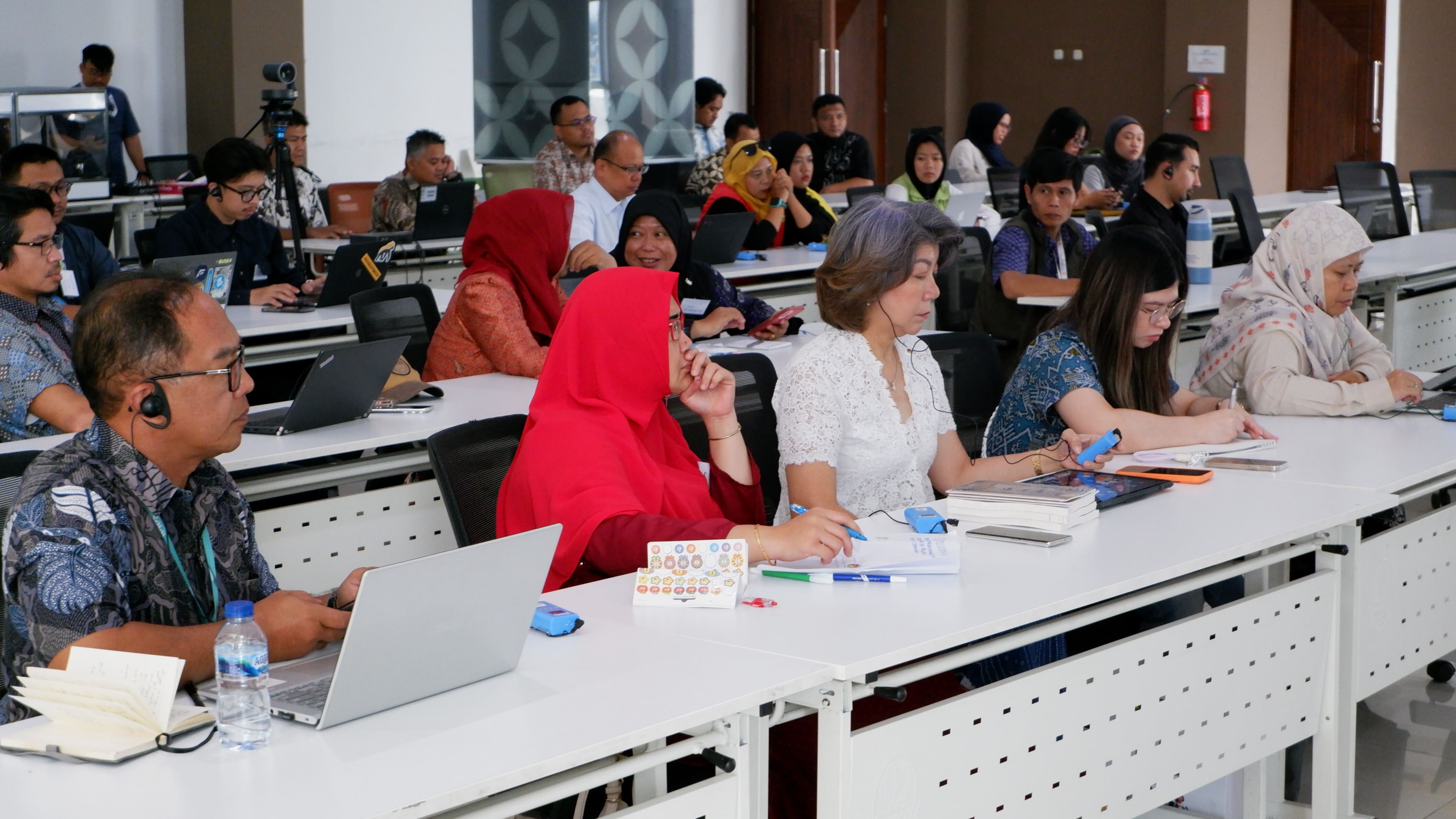
A frank exchange on Day 2 reinforced a key message from the previous day: management systems built without supporting infrastructure are destined to fail.
Waste bank (bank sampah) facilities, despite their extensive reach across West Java, remain under-resourced relative to the volume of sorted material generated. This leaves communities that do the hard work of sorting without reliable downstream channels – a similar issue faced in Bali.
Participants also discussed the limitations of alternative disposal methods. There was broad agreement that neither burning nor burying plastic is viable at scale. Recycling, when done effectively, remains the most sustainable path.
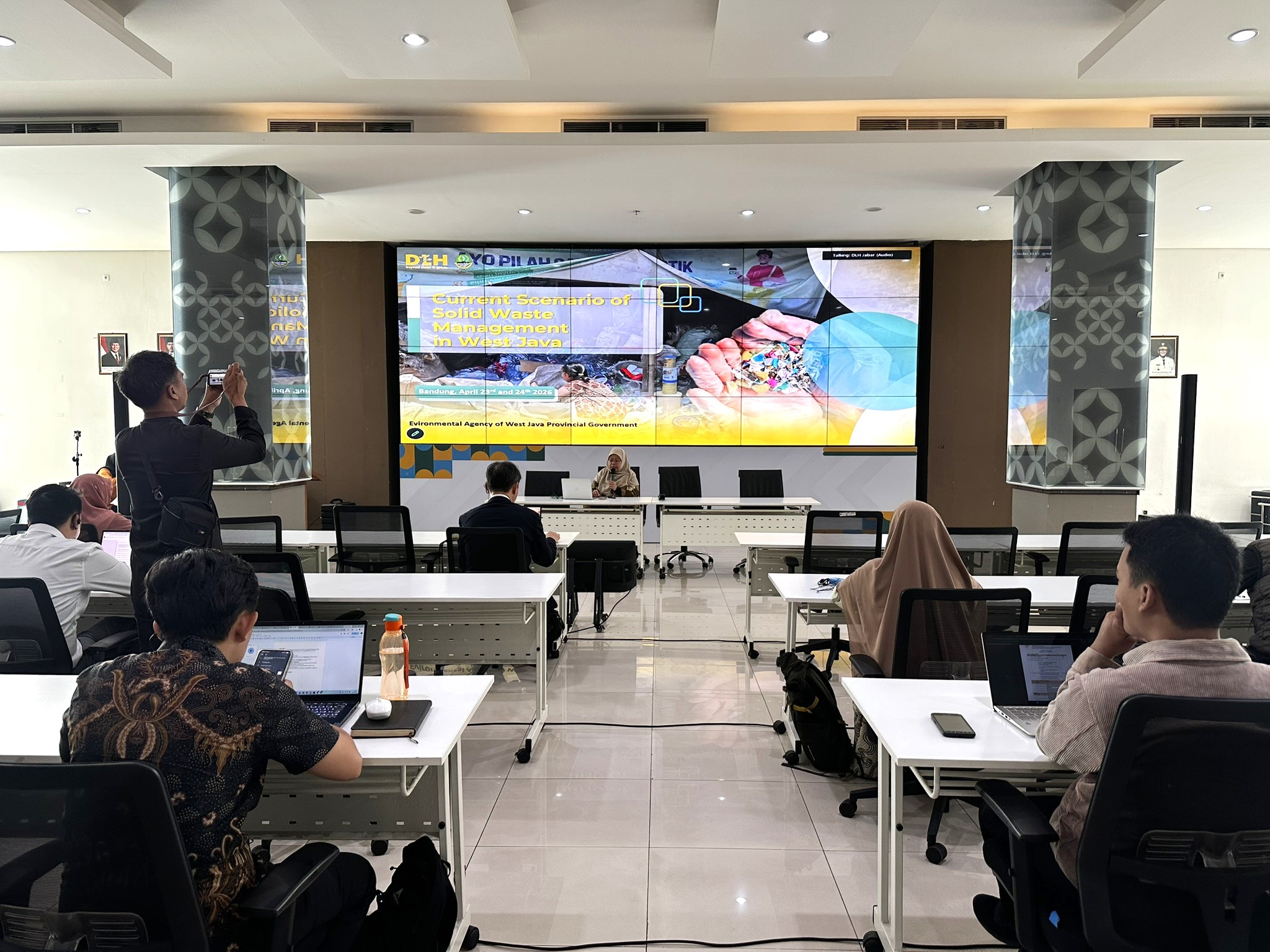
Ms Resmiani, Head of Pollution Control Division, shared an assessment of West Java's current solid waste landscape, grounding the subsequent sessions in provincial realities. Participants then worked through behavioural change models, the APPCR approach for identifying operational leakage, and role-play simulations to map solutions and interventions – practical tools that could be applied within their respective institutions.
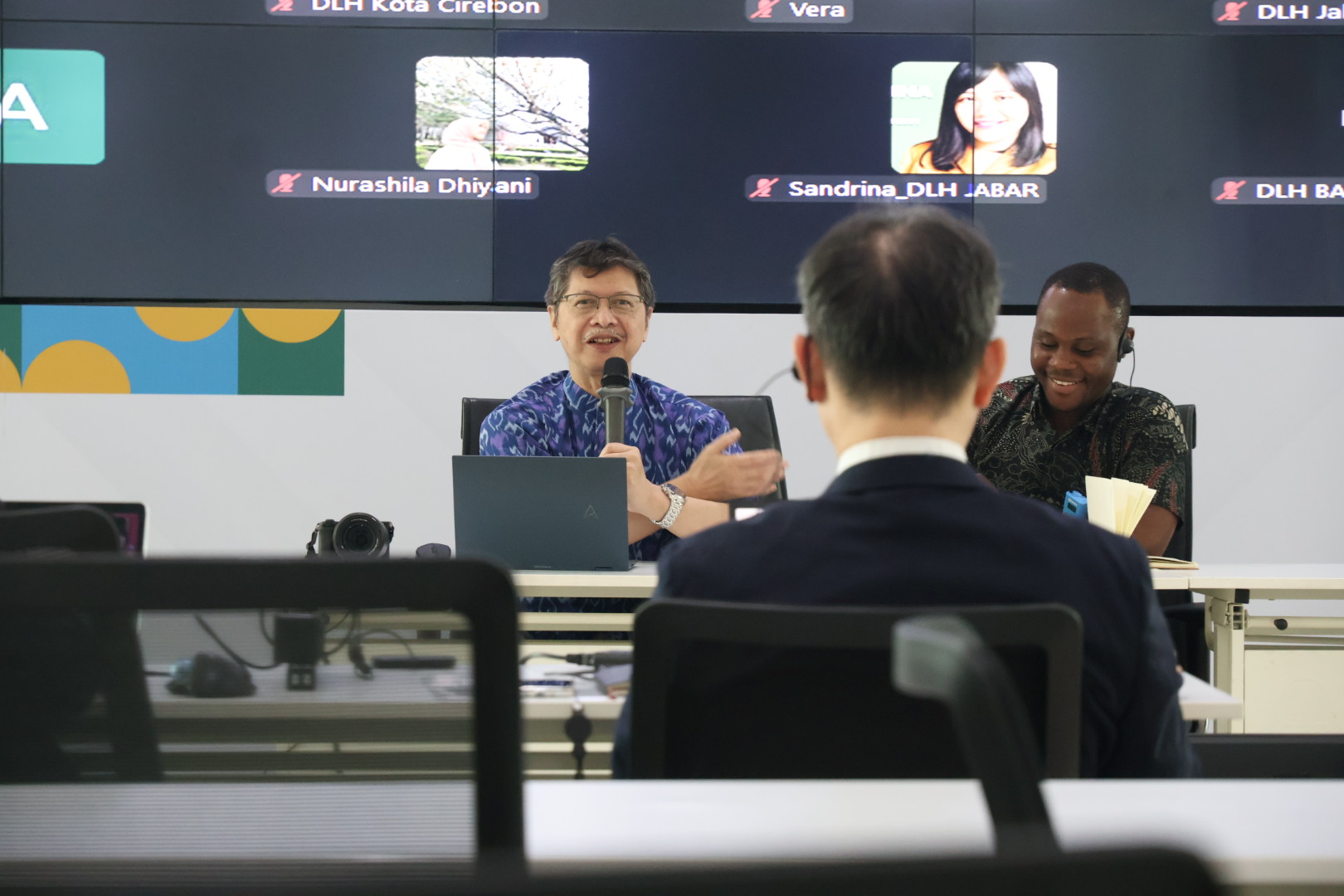
Mr Dadan Wardhana Hasanuddin, Advisor to the Ministry of Environment on Hazardous Waste in Jakarta, shared his work on the Development of Regional Standard Requirements for Transboundary Movement (TBM) of Plastic Waste into ASEAN Region, as well as and a Pilot Study on Optimisation of Domestic Plastic Wase Utilisation.
His presentation underscored the growing importance of regional alignment in managing plastic waste flows. Inconsistencies in standards and enforcement can contribute to leakage across borders. Strengthening domestic recycling capacity is also essential, not only to reduce reliance on transboundary movement but also to minimise environmental risks.
Across both days, participants returned to one central principle: responsibility for waste cannot be passed endlessly down the chain. Government plays a critical role in enabling implementation through regulation and budget allocation, as well as through effective planning. As the EPR survey makes clear, public expectations can help guide priority interventions.
The Bandung workshop highlighted that West Java has the institutional breadth – from provincial agencies to community waste banks to academic partners – to become a model for systemic change. What is needed now is stronger coordination, targeted investment, and the political resolve to translate existing regulation into tangible results.
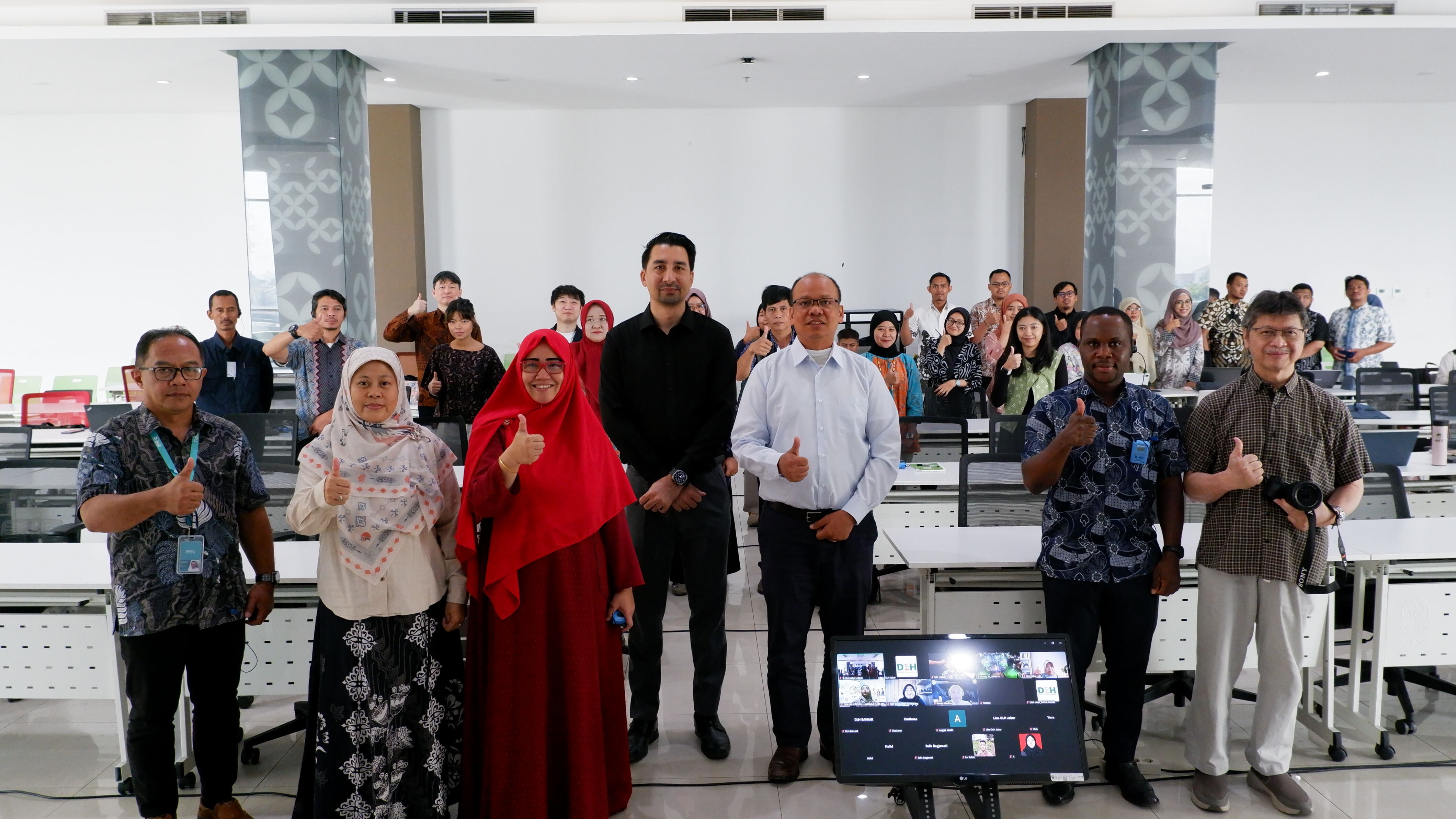
The CaRMPAC Project will continue supporting this journey, equipping practitioners with the tools to prevent plastic leakage at every stage of the recycling chain.
The Capacity Building Programme for Reducing Recycling-Related Marine Plastic Pollution (CaRMPAC) is implemented by AIT RRC.AP with support from ERIA’s Regional Knowledge Centre for Marine Plastic Debris. Bandung is one of the 12 target cities in ASEAN under the CaRMPAC project.

Research Associate for Capacity Building


Bandung, 24 April 2026: As Indonesia’s most populous province, West Java generates one of the country’s largest volumes of solid waste. Against this backdrop, the Capacity Building Programme for Reducing Recycling-Related Marine Plastic Pollution in ASEAN Cities (CaRMPAC) Workshop was held in Bandung (West Java’s capital city) on 23–24 April 2026 to share best practices and technical guidelines to support interventions that prevent plastic leakage from recycling activities.
The 2-day workshop was supported by ERIA’s Regional Knowledge Centre for Marine Plastic Debris (the Centre) and co-organised and hosted by the West Java Provincial Environmental Office, together with the Regional Resource Centre for Asia and the Pacific at the Asian Institute of Technology (AIT RRC.AP).
The event convened a wide cross-section of environmental authorities, waste bank operators, academic institutions, and civil society organisations. All of them were united by a common urgency: keeping plastic out of West Java's waterways and the sea.
Out of the 29.7 tons of waste produced daily, 17% is plastic and much of that waste originates from household sources. Given this considerable challenge, the workshop was designed to move stakeholders beyond awareness and toward concrete, local action.
The workshop opened with welcoming remarks from the Secretary of the West Java Provincial Environmental, Dr Helmi Gunawan, who outlined the province’s management challenges and emphasised the importance of collective action.
Dr Guilberto Borongan, Director of AIT RRC.AP, and Mr Reo Kawamura, Director of the Regional Knowledge Centre for Marine Plastic Debris of ERIA, also delivered remarks, signalling the broad coalition behind the CaRMPAC initiative and reinforcing a shared message: while regulation in Indonesia has advanced, implementation remains the frontier.
Participants quickly identified a persistent structural failure: recycling-related leakage. Many expressed surprise that recycling processes themselves – sorting, washing, transport, and processing – can be a source of plastic leakage into the environment, making this blind spot a key focus of the workshop.
Discussions also highlighted challenges familiar from the CaRMPAC Workshop in Bali, where waste sorting is the critical upstream bottleneck; behaviour change demands sustained, village-by-village effort; and infrastructure must precede management systems, not follow them.
A frank exchange on Day 2 reinforced a key message from the previous day: management systems built without supporting infrastructure are destined to fail.
Waste bank (bank sampah) facilities, despite their extensive reach across West Java, remain under-resourced relative to the volume of sorted material generated. This leaves communities that do the hard work of sorting without reliable downstream channels – a similar issue faced in Bali.
Participants also discussed the limitations of alternative disposal methods. There was broad agreement that neither burning nor burying plastic is viable at scale. Recycling, when done effectively, remains the most sustainable path.
Ms Resmiani, Head of Pollution Control Division, shared an assessment of West Java's current solid waste landscape, grounding the subsequent sessions in provincial realities. Participants then worked through behavioural change models, the APPCR approach for identifying operational leakage, and role-play simulations to map solutions and interventions – practical tools that could be applied within their respective institutions.
Mr Dadan Wardhana Hasanuddin, Advisor to the Ministry of Environment on Hazardous Waste in Jakarta, shared his work on the Development of Regional Standard Requirements for Transboundary Movement (TBM) of Plastic Waste into ASEAN Region, as well as and a Pilot Study on Optimisation of Domestic Plastic Wase Utilisation.
His presentation underscored the growing importance of regional alignment in managing plastic waste flows. Inconsistencies in standards and enforcement can contribute to leakage across borders. Strengthening domestic recycling capacity is also essential, not only to reduce reliance on transboundary movement but also to minimise environmental risks.
Across both days, participants returned to one central principle: responsibility for waste cannot be passed endlessly down the chain. Government plays a critical role in enabling implementation through regulation and budget allocation, as well as through effective planning. As the EPR survey makes clear, public expectations can help guide priority interventions.
The Bandung workshop highlighted that West Java has the institutional breadth – from provincial agencies to community waste banks to academic partners – to become a model for systemic change. What is needed now is stronger coordination, targeted investment, and the political resolve to translate existing regulation into tangible results.
The CaRMPAC Project will continue supporting this journey, equipping practitioners with the tools to prevent plastic leakage at every stage of the recycling chain.
The Capacity Building Programme for Reducing Recycling-Related Marine Plastic Pollution (CaRMPAC) is implemented by AIT RRC.AP with support from ERIA’s Regional Knowledge Centre for Marine Plastic Debris. Bandung is one of the 12 target cities in ASEAN under the CaRMPAC project.
Research Associate for Capacity Building